Should you invest in updates or sell your Guilford home as-is? It is a common crossroads for shoreline sellers, especially with older colonials, capes, and waterfront properties in the mix. You want to make the smartest move for your timeline and net proceeds without over-improving. In this guide, you will learn how Guilford buyers value condition, a simple financial test to compare scenarios, realistic budget and timeline ranges, and how to execute with less stress. Let’s dive in.
How Guilford buyers view condition
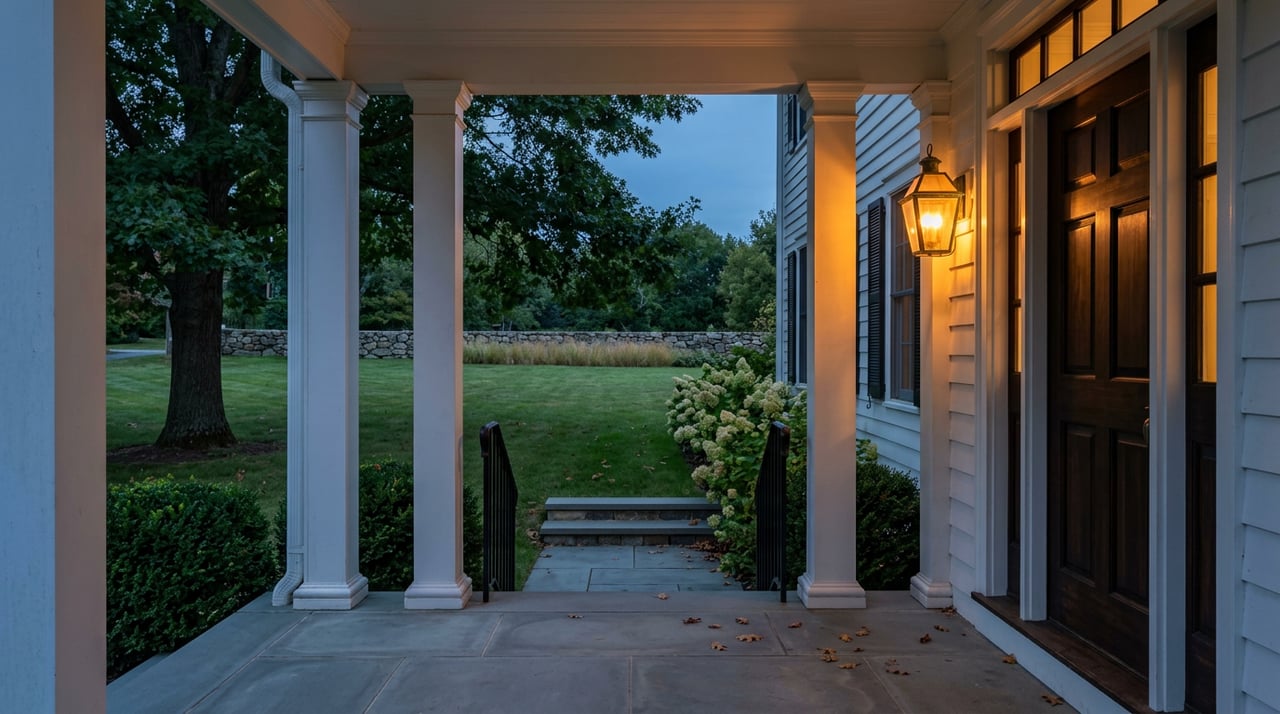
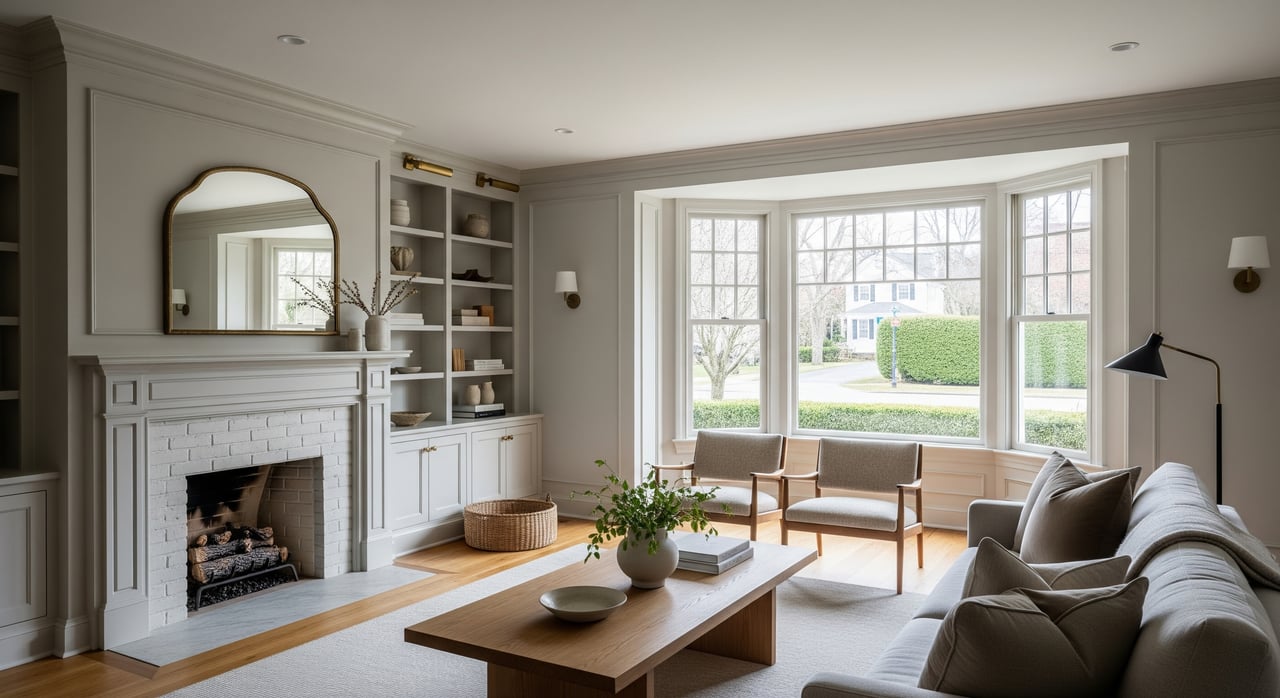
Guilford sits in Connecticut’s South Central planning region and includes a mix of older homes, mid-century stock, and waterfront properties. Local buyers often reward turnkey presentation with shorter days on market, especially when kitchens, baths, and curb appeal feel fresh. For higher-end waterfront or historic homes, location and lot can outweigh cosmetic perfection, but presentation still helps widen the buyer pool.
Understanding who is most likely to buy your home matters:
- Move-up and downsizing buyers often prefer modern finishes and low-maintenance systems.
- Commuters value location, garage or parking, and solid mechanicals.
- Investors and DIY buyers pursue as-is opportunities and expect a price discount for work.
Use Guilford comps the right way
Your decision starts with local comps. A clear process helps you price both as-is and post-update scenarios:
- Define your market area. Use 0.25–1 mile for in-town neighborhoods, and expand to 2–5 miles for waterfront or rural properties.
- Pull 6–12 closed sales from the last 6–12 months that match bedrooms, baths, finished square footage, lot size, age, condition, and special features.
- Adjust for condition. If typical comps are updated, apply a discount to your as-is value. If comps show similar condition, discounts are smaller.
- Identify updated comps to estimate your After-Repair Value (ARV) once recommended work is done.
- Include at least one recent sale and one active or pending listing as condition benchmarks to reflect current buyer expectations.
The three step money test
Put both paths on the same page, including time and costs.
- Estimate ARV using updated comps.
- Estimate renovation costs plus carrying and selling costs. Include contractor work, permits, materials, staging, closing costs, commissions, utilities, taxes, insurance, and any interim financing interest.
- Compare net proceeds:
- Net if renovated = ARV − (rehab costs + holding costs + selling costs)
- Net if sold as-is = As-is price − selling costs
If the renovated net clearly exceeds the as-is net by a margin that justifies time and risk, updates may be worthwhile. If the gap is small or timelines are uncertain, listing as-is can be the smarter choice.
Helpful rules of thumb
- Minor cosmetic work like paint, floors, and fixtures often delivers strong ROI when buyers expect turnkey condition.
- Full gut or permit-heavy projects carry more risk and longer timelines. Only proceed if ARV meaningfully exceeds total investment with a healthy buffer.
- If demand is soft or updated homes are not achieving premiums, an as-is sale can be the better path.
Renovation tiers and what to expect
Below are three practical scopes tailored to many Guilford homes. Local bids, permitting, seasonality, and contractor availability will shape your exact numbers.
Tier A: Cosmetic refresh
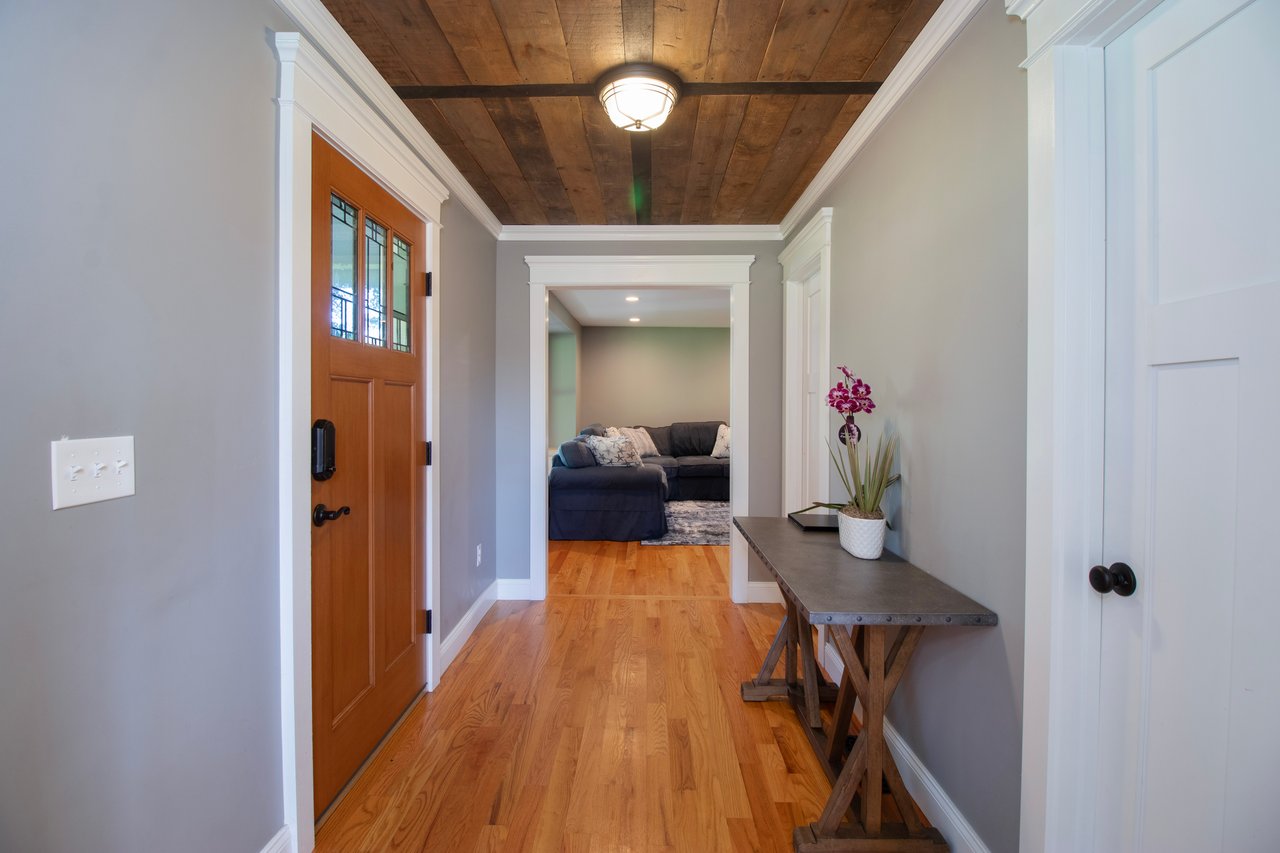
- Typical scope: interior paint, declutter and staging, new light fixtures and cabinet hardware, deep clean, minor landscaping, and carpet replacement or wood floor refinishing. A new entry or garage door can add curb appeal.
- Budget: about $2,000–$15,000.
- Timeline: 1–3 weeks.
- Permits: not typically required for cosmetic items.
- Expected benefit: strong visual impact that can shorten time on market at a modest cost.
Tier B: Light updates
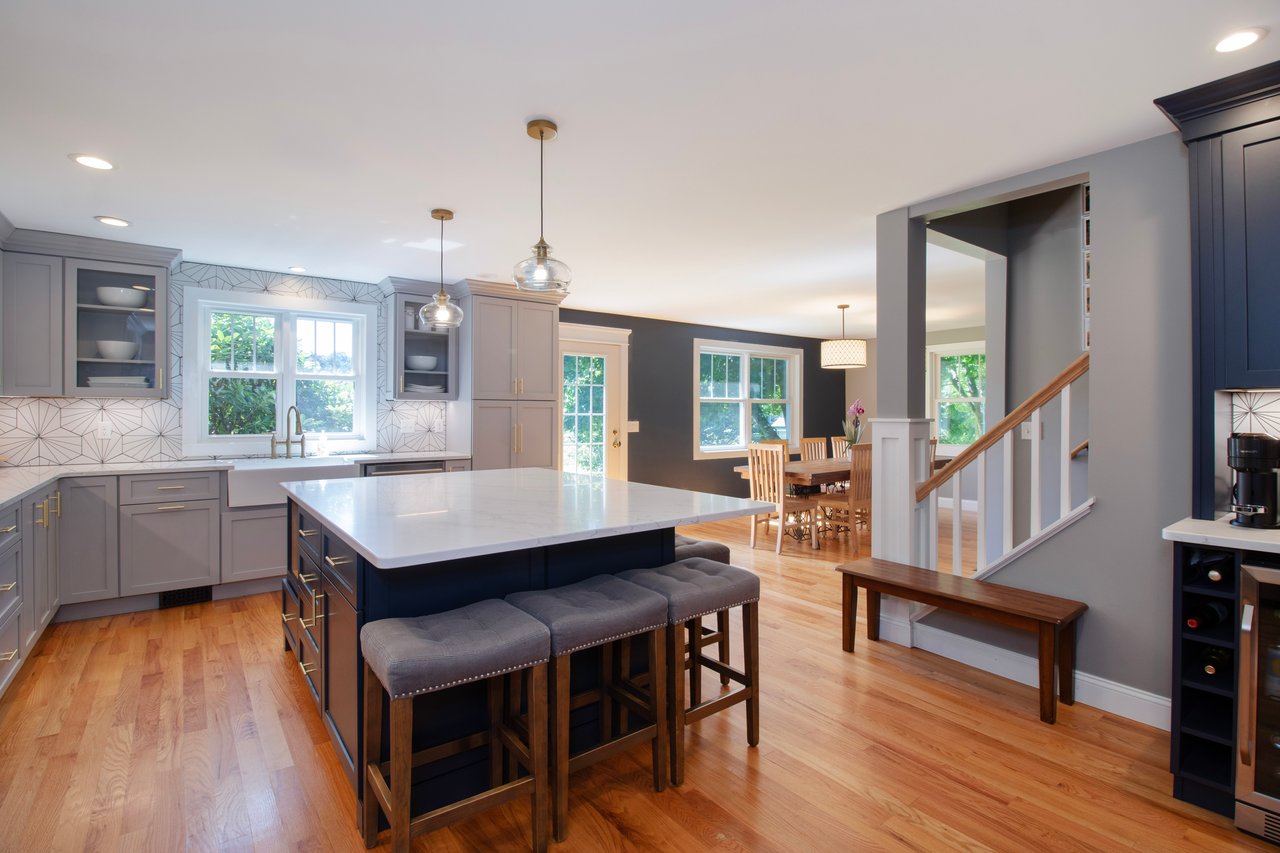
- Typical scope: kitchen refresh without layout changes, new countertops or appliances, bath vanity and fixture updates, selective flooring replacement, and interior or exterior paint.
- Budget: about $10,000–$50,000. Shoreline labor and materials often trend higher than national averages.
- Timeline: 3–8 weeks.
- Permits: usually not required if systems and layout remain unchanged. Verify any electrical or plumbing work with the local building department.
- Expected benefit: expands the buyer pool from investors to more owner-occupants and can support a price premium if aligned with neighborhood expectations.
Tier C: Major rehab
- Typical scope: kitchen redesign, new bath or bedroom, wall changes, HVAC replacement, roof work, or structural and foundation repairs.
- Budget: often $50,000–$200,000+ depending on scope and property type. Waterfront or historic homes can run higher.
- Timeline: 8–20+ weeks due to permits and inspections.
- Permits: almost certain for structural, plumbing, electrical, or mechanical work. Historic district rules may apply.
- Expected benefit: can lift the price into higher tiers, but percentage ROI is usually lower than cosmetic projects and risk is higher.
Selling as-is in Guilford
As-is sales attract investors and DIY buyers who plan to handle the work themselves. They typically expect a discount compared to renovated comps. Depending on market strength and the scope of needed repairs, discounts can range from small single digits for minor fixes to double digits for major work. Align your as-is price with clear comps and current actives to avoid sitting on the market.
Pros of selling as-is:
- Faster path to market with minimal upfront cash.
- Fewer coordination headaches and less time risk.
Tradeoffs to weigh:
- Lower purchase price and a smaller buyer pool.
- Some buyers may still include inspection contingencies.
Permits and historic checks
Small cosmetic items typically do not need permits. Electrical, plumbing, structural, additions, and HVAC changes usually do. If your property is within a historic area, additional approvals may apply. Contact the Guilford Building Department and, if relevant, the Guilford Historic District Commission early to clarify requirements and timelines that can affect your plan.
Contractors, bids, and scheduling
Getting the right team and terms reduces risk and surprises.
- Gather 2–3 written bids and compare scopes line by line.
- Verify licenses, insurance, lien waivers, references, and clear timelines.
- Choose contract structures that fit your scope. Fixed-price contracts help control budgets for well-defined work, while cost-plus can fit open-ended scopes.
- Expect shoreline contractor lead times. Ask for fast-turn options if a listing date is approaching.
Staging and marketing that pay off
Professional photos and staging can amplify the value of even small updates. Budgets vary. Virtual or light occupant staging can be modest, while full staging for vacant homes typically costs more. For quick impact, prioritize decluttering, neutral paint, landscaping touch-ups, and quality photography.
Financing choices for projects
You can fund pre-list updates with cash, a HELOC or home equity loan, a short-term personal loan, or contractor financing if available. If you prefer not to do the work, consider a seller credit or a renovation allowance to help buyers handle updates after closing. Credits reduce upfront outlay but may lower perceived move-in readiness.
How Jules streamlines prep
A trusted remodeling partner can make value-add work simpler and faster by providing rapid cost estimates, prioritized scope lists, and pre-packaged refresh bundles with flat pricing. They coordinate contractors, permits, inspections, staging, and photography so you can move from decision to market efficiently. Quality assurances like warranties and standardized contracts add confidence. This approach is especially helpful for Tier A and Tier B projects where speed and clarity matter.
A simple seller checklist
- Pull 6–12 local comps and identify the premium for updated condition.
- Get 2–3 contractor estimates for Tier A, B, or C scopes.
- Calculate ARV, rehab, carrying, and selling costs to compare net proceeds.
- Consider timeline risk, permitting, and seasonal market windows.
- If renovating, use a vetted partner to compress schedules and reduce headaches.
Next steps
You do not need to guess. Start with comps, a quick cost estimate for targeted updates, and a side-by-side net sheet. If the renovated path clearly improves your bottom line and fits your timing, take it. If not, a clean, well-marketed as-is listing can still deliver a strong outcome in Guilford. For a tailored plan and trusted local resources, connect with Jules G. Etes.
FAQs
What drives Guilford buyers to pay more for a home?
- Turnkey condition with updated kitchens and baths, solid mechanicals, and inviting curb appeal tends to shorten days on market and support stronger offers.
How do I estimate my home’s after-repair value in Guilford?
- Use recent updated comps that match size, features, and location, and include a current active or pending listing as a benchmark for buyer expectations.
What are realistic budgets and timelines for light updates?
- Expect roughly $10,000–$50,000 and 3–8 weeks for cosmetic kitchen and bath refreshes, selective flooring, and paint, depending on scope and contractor lead times.
How much do buyers discount for as-is condition?
- Discounts vary with market strength and repairs needed, from small single digits for minor fixes to double digits when major work is required.
When should I avoid a major remodel before selling?
- If permits and structural changes push timelines long or costs high, and the ARV does not clearly exceed your total investment with a healthy margin, consider listing as-is instead.