Thinking about selling your Branford condo but not sure where to start? You are not alone. The right price and an on-point marketing plan can be the difference between a quick, strong sale and weeks of silence. In this guide, you will get a simple, step-by-step checklist to price with confidence, prepare your unit, and launch a listing that attracts qualified buyers. Let’s dive in.
Know the Branford condo market
Before you set a price, you want a clear read on local conditions. Key metrics include recent condo and townhouse sale prices, active inventory, months of supply, days on market, and the list-to-sale price ratio. Price per finished square foot by neighborhood or building type is especially useful for condos.
Seasonality matters along the Connecticut Shoreline. Buyer activity often runs stronger from spring through fall. If you plan to list in winter, be sure your price and presentation are sharp to meet a smaller buyer pool.
Local features can move value. Waterfront or walk-to-water access in areas like Short Beach and Stony Creek, flood risk and insurance needs, proximity to Shore Line East rail and I-95, and commute convenience to New Haven all influence demand. Nearby parks, the Town Green, and downtown amenities are common selling points. A strong listing makes these advantages clear and factual.
Set your pricing plan
Choose a pricing approach that fits the current market, your condo’s strengths, and your timeline.
- Market-match pricing: List near expected sale value for steady traffic and fewer reductions. Works well when demand is predictable.
- Slightly under-market: Spark more interest and potential multiple offers in low-inventory conditions. There is a risk if demand is soft.
- Price high with room to negotiate: Gives you negotiation space but can lead to longer days on market and reduced buyer interest.
Think about buyer search filters and price thresholds, such as 300,000 or 350,000. Small adjustments can affect visibility. Plan to measure response during the first 7 to 14 days, then adjust if needed based on engagement and showings.
Build a data-backed CMA
A Comparative Market Analysis gives you the evidence behind your price.
- Step 1: Define your unit. Note finished square footage, bedroom and bath count, floor level, view, parking and storage, interior condition and updates, HOA amenities, pet and rental rules, and monthly HOA fee with what it covers.
- Step 2: Select closed comps. Start with recent sales in the same building or complex. If none, use nearby condos with similar layouts and amenities. Aim for the last 3 to 6 months, or extend to 6 to 12 months if inventory is thin.
- Step 3: Add actives, pendings, and expireds. Active and pending listings show buyer interest and pricing context. Expired or withdrawn listings reveal price resistance.
- Step 4: Adjust for differences. Make clear, defensible adjustments for size, bed and bath count, floor level, view or waterfront premium, parking or garage, outdoor space, renovations, and included utilities. Translate HOA fee differences into the monthly carrying cost buyers will consider.
- Step 5: Convert to metrics. Compare price per square foot, review list-to-sale ratios, and set a probable list price range. Prepare a recommended list price and a net proceeds estimate at a few price scenarios.
Prepare your condo to shine
First impressions drive showings and offers. A focused refresh can return more than it costs.
- Clean, declutter, and repair. Neutral paint, fresh caulk and grout, and fixing minor issues signal care and reduce buyer objections.
- Update for impact. Simple lighting, hardware swaps, and selective kitchen or bath refreshes help photos pop and improve perceived value.
- Stage thoughtfully. Staged units often sell faster and for higher prices on average. If full staging is not in scope, consider light staging or virtual staging for key rooms.
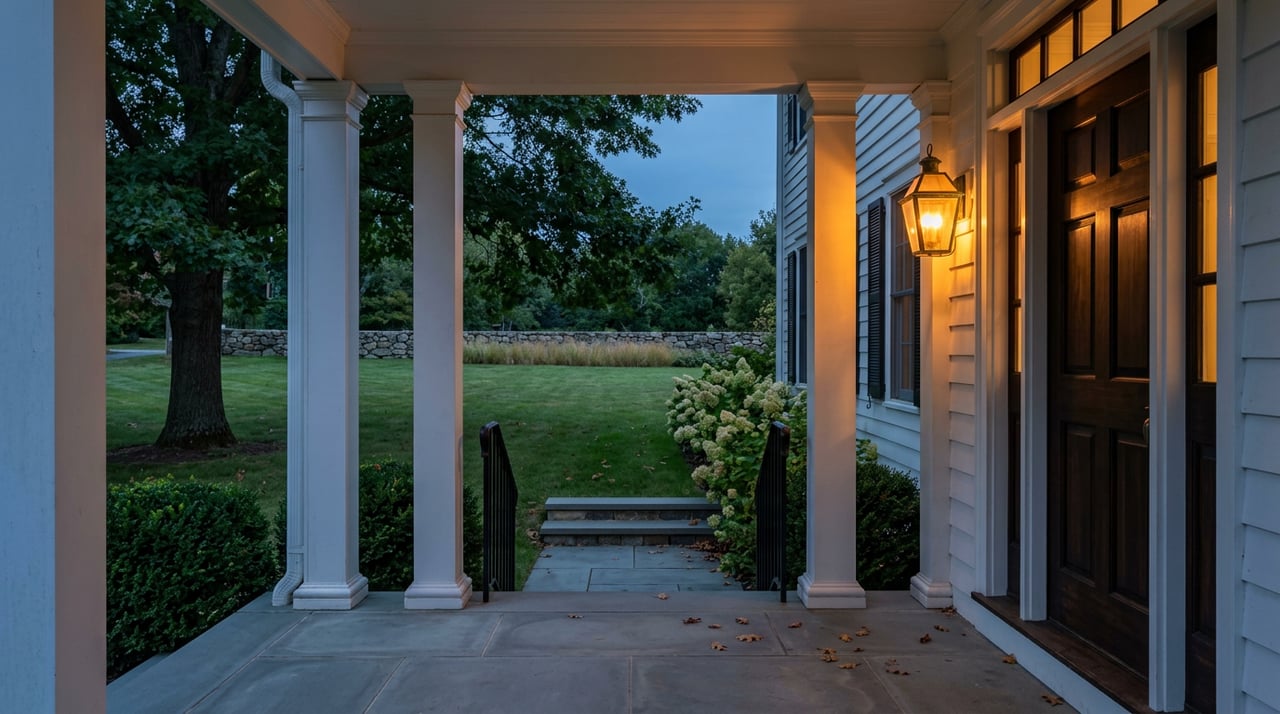
- Optimize for photography. Maximize natural light, clean windows, and clear surfaces. Twilight exteriors can be effective for waterfront or curb appeal.
- Consider a pre-inspection. It can uncover issues before buyers do, which supports smoother negotiations, but it also creates data that buyers may use in negotiations.
- Coordinate with the HOA. Ensure common areas, entry corridors, and amenities show well during photos and showings.
If you are weighing pre-list updates, a practical renovation plan tied to likely return can be smart. Seek advice from a trusted local advisor who can coordinate with remodeling partners and help align scope, budget, and timing.
Gather HOA and resale documents
Buyers, lenders, and appraisers will review your condo association’s health and rules. Getting documents ready early keeps your deal on track.
Essential items to request from your association or property manager:
- Declaration of Condominium and recorded plat or survey
- Bylaws and rules and regulations, including pet and rental policies
- Current budget and the most recent financial statements
- Reserve study or reserve balance summary with funding history
- Board meeting minutes for the last 12 to 24 months
- Certificate of insurance for the master policy with coverage limits and deductible
- Resale certificate or estoppel letter showing dues, delinquencies, and any pending assessments
- Management contract and manager contact details
- Any pending special assessments and details on current or threatened litigation
- Short-term rental rules and requirements if applicable
Turnaround times and fees vary by association. Order early to avoid delays once you go under contract.
Smart disclosures and insurance
Clear, accurate disclosures build trust and reduce surprises later.
- Flood hazard and insurance. If your condo is in or near a FEMA flood zone, disclose it and be ready to discuss flood insurance needs and premiums. An elevation certificate can be helpful if available.
- Lead paint for older buildings. If the building predates 1978, federal law requires a lead-based paint disclosure.
- Rental policies. If rentals are allowed, provide rules and any prior rental history if you plan to market to investors.
- Master policy vs. HO-6 coverage. Clarify what the association’s insurance covers and what the owner’s policy should cover for interior improvements and personal property.
Create a standout listing package
Your marketing assets should make it easy for buyers to picture life in your home and in Branford.
- Professional photography. Include 20 to 30 high-resolution images covering interiors, building exterior, and amenities. Use twilight shots for waterfront or evening ambiance when appropriate.
- Floor plan with room dimensions. Many buyers skip listings without a clear layout.
- 3D virtual tour. Helps remote and out-of-town buyers engage and plan visits.
- Video walkthrough. A concise 60 to 120 second video that includes neighborhood or shoreline scenes can boost interest.
- Drone images where allowed. Great for showing proximity to Long Island Sound, beaches, and community context.
- HOA fact sheet. Create a one-page summary covering monthly dues, what they include, parking, pet and rental rules, recent assessments, management contact, and resale or estoppel fee.
- Feature sheet. Provide a print-friendly overview for showings and broker opens.
- Neighborhood guide. Highlight Shore Line East station access, commute options to New Haven, nearby parks, dining, and seasonal attractions like Short Beach and Stony Creek.
Distribute your listing where buyers look
Get maximum exposure once your assets are ready.
- MLS first. Ensure all fields are complete, including floor plans, HOA details, multiple photos, and virtual tours. MLS syndication expands your reach on consumer portals.
- Agent outreach and broker open. Share your HOA fact sheet and unit highlights with local buyer agents active in Branford and New Haven County.
- Paid social campaigns. Target radius audiences around key employers and coastal lifestyle interests. Use short video or carousel ads that click through to your best media.
- Email marketing. Send your listing to brokerage databases, hyperlocal agents, relocation contacts, and investor lists if rentals are permitted.
- Local channels. Post to Nextdoor and community groups where appropriate, and consider local publications to reach shoreline buyers.
- Virtual and in-person events. Offer virtual open houses for out-of-town buyers and well-scheduled in-person showings.
Track results and adjust
Monitor performance closely during the first 7 to 14 days. Focus on listing views and saves, showing requests, feedback, number of offers, and time from showing to offer. If engagement is low, review price, photos, and timing. Pre-plan a single price reduction schedule, such as after two weeks if there are no showings or after 30 days if there are showings but no offers.
From offer to close
Condo transactions include a few items that deserve special attention.
- Offer contingencies. Buyers often request time to review the resale certificate and association documents. Pre-ordering your estoppel can speed things up.
- Financing and appraisal. If your project is not FHA or VA approved, your buyer pool may be limited to cash or conventional financing. Appraisals are stronger with comps from the same building when available.
- Assessments and litigation. Disclose any known or pending special assessments and any ongoing or threatened litigation involving the association. These can affect financing and negotiation.
- Parking and storage. Confirm how parking assignments or deeded garage spaces transfer and document this clearly.
For closing logistics, confirm how HOA dues are prorated, whether the association charges transfer or resale fees, and who pays for the estoppel. Your title or closing agent should receive all association documents early. Verify mortgage and lien payoffs and clarify responsibility for any special assessment balances.
What you get with a Free Home Valuation + Custom Plan
If you want clarity and speed, request a tailored plan that turns this checklist into action. A strong deliverable includes:
- Executive summary. A recommended list price with one or two alternative strategies and clear rationale.
- CMA appendix. Three to six closed comps plus two to three active listings and relevant expireds, with key adjustments and price per square foot.
- Net proceeds estimate. Projected closing costs, estimated payoff scenarios, and likely net at each price point.
- Prep and staging plan. A prioritized list of repairs and updates with expected return and cost ranges. Include staging options or virtual staging if appropriate.
- HOA and document roadmap. What to order, when to order it, likely fees, and turnaround times.
- Marketing plan and timeline. The full asset list, open-house strategy, targeted outreach, and any recommended paid advertising budget.
- Timeline to closing. Typical durations for cash and financed buyers and any local timing factors such as association document lead times.
Ready to price with confidence and launch a best-in-class listing for your Branford condo? Connect with Jules G. Etes to request your Free Home Valuation and Custom Plan.
FAQs
When is the best time to list a condo in Branford?
- The shoreline market often sees stronger activity from spring through fall, so aim for these months if timing is flexible and ensure price and presentation are competitive in winter.
How do HOA fees affect my sale price and buyer pool?
- Buyers consider total monthly carrying cost, so higher HOA dues may require a lower price per square foot to remain affordable compared with similar units.
What if my building is not FHA or VA approved?
- Your buyer pool may shift toward cash or conventional loans, so pricing and marketing should account for a potentially smaller audience.
Do I need to disclose flood risk for a shoreline condo?
- Yes, disclose if the unit is in or near a FEMA flood zone and be ready to discuss insurance needs; an elevation certificate is helpful if you have one.
Which documents will buyers expect from my HOA?
- Expect to provide the declaration, bylaws, rules, recent financials, reserve details, board minutes, master insurance certificate, a resale or estoppel letter, and any assessment or litigation information.
Should I do a pre-listing inspection for my condo?
- A pre-inspection can reveal issues early and streamline negotiations, but it also creates information buyers may use in negotiations, so weigh the pros and cons with your advisor.