Thinking about a condo in Branford as your next home or a rental? You are not alone. Condos can offer a lower entry price than single-family homes, simpler upkeep, and solid rental demand near New Haven and the Shore Line East station. In this guide you’ll see local price and rent context, what HOA fees really cover, key financing and rental rules, and a quick example that shows how the numbers work. Let’s dive in.
Branford condo market at a glance
Condos in ZIP 06405 typically trade well below single-family homes on a median basis. A recent dataset shows a condo median around $310,000 in 06405, compared with materially higher single-family medians nearby. You can explore the condo-only snapshot in the 06405 ZIP on Prop‑Metrics to see how unit size and location shift prices.
Different data providers report different citywide medians because they track different things, like list prices versus sold prices. Use the latest local MLS comps for decisions, and treat any aggregate number as context, not a rule.
Rental demand is supported by commuters and medical, university, and shoreline employment hubs. Census estimates show a majority owner-occupancy rate in Branford, roughly two‑thirds of households, with median gross rent in the mid‑$1,500s, which helps frame renter demand and pricing tiers. You can review the town’s baseline demographics on Census QuickFacts.
What monthly costs to expect
HOA or common charges for many Branford condos often land in the $200 to $500 per month range, with amenity-rich or waterfront communities running higher. These fees usually cover exterior and common-area maintenance, grounds, trash, snow removal, and sometimes water or basic amenities like a pool, tennis, or a clubhouse.
They may not cover interior repairs, appliances, personal contents insurance, or flood insurance. Some complexes also collect a separate tax-district fee. Always ask for a written list of inclusions and any add-on charges so you can budget accurately.
Where condos cluster and what you’ll find
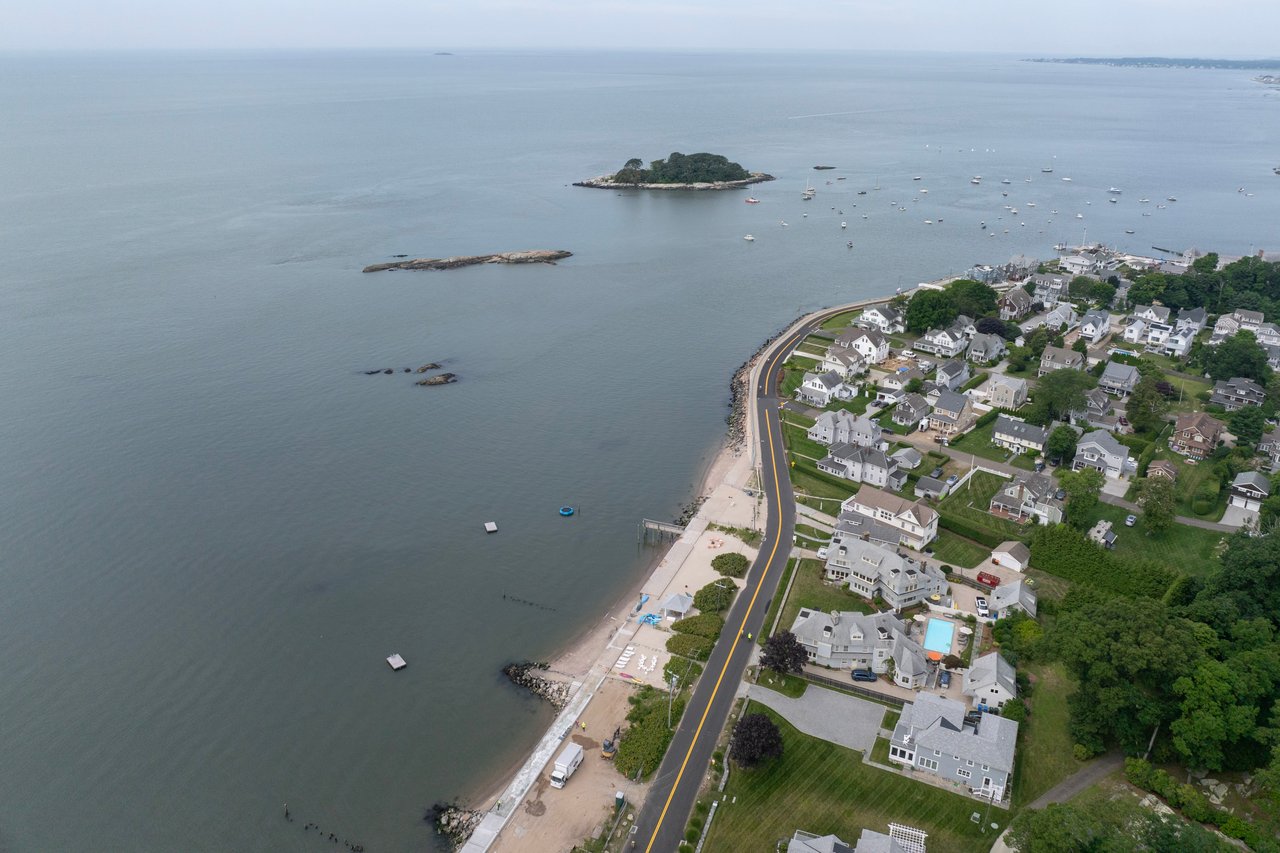
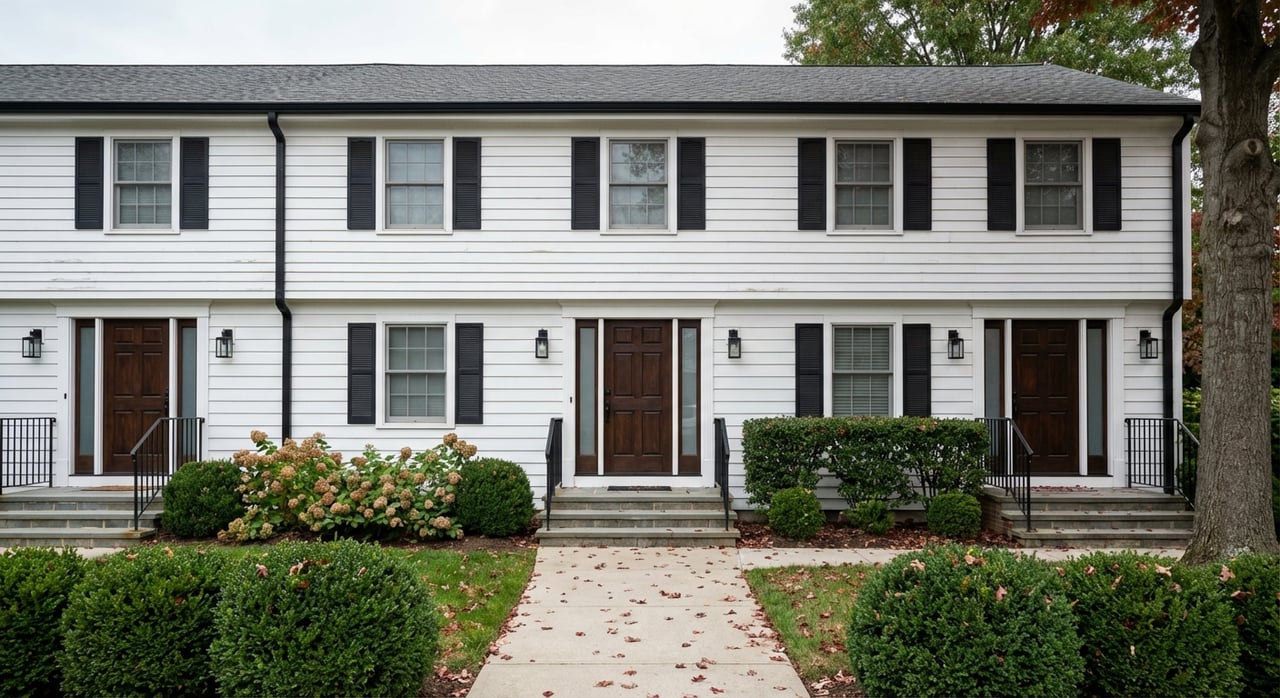
You will see most condo communities near the town center and along the shoreline neighborhoods like Pine Orchard, Short Beach, and Indian Neck, plus Branford Hills and Route 1 inland. Products range from compact one-bed flats to townhouse-style homes and amenity properties with pools, tennis, and clubhouses. Monthly fees often reflect the level of on-site amenities and services.
HOA health: reserves, assessments, and insurance
A stable association matters as much as the unit you buy.
- Reserves and assessments. Under Connecticut’s Common Interest Ownership Act, associations must present budgets and disclose reserve amounts and how they are calculated. See the reserve disclosure requirement in Section 47‑261e. Ask for the most recent budget, current reserve balance, any reserve study, capital projects completed in the last 5 years, planned projects, and the number of units delinquent more than 60 days.
- Resale certificate. At resale, the association must provide a packet that includes governing documents, current budget, reserves, delinquency counts, insurance summary, and pending suits. Review this closely. The statute listing required disclosures is Section 47‑270.
- Master insurance. Confirm the association’s master policy type, deductible, and what is and is not covered inside units. If fixtures or improvements are excluded, you will want an HO‑6 policy tailored to those gaps.
- Flood exposure. For shoreline or low-lying properties, check flood maps and lender insurance requirements. Branford’s town site links residents to FEMA resources and local emergency planning. Start with the town’s Emergency Management Resources page.
Financing a Branford condo
If you plan to use FHA or VA, project eligibility matters. FHA allows project approvals and Single‑Unit Approval in some cases, but buildings must meet owner‑occupancy and financial standards. Learn more on HUD’s condominium page, and have your lender verify eligibility early. A project that is not eligible can limit buyers when you go to sell.
First-time buyers often mix conventional loans with state help. Connecticut’s CHFA programs, including down payment assistance for eligible buyers, are widely used. Review program options on the CHFA homebuyer guide, then confirm that your lender and the target condo project meet CHFA requirements.
Renting rules and short-term rentals
Most associations set their own leasing rules. Common items include minimum lease terms, rental caps, and approval steps. Connecticut also gives municipalities authority to license and regulate short‑term rentals. You can read the state framework in Chapter 828.
Local discussions have shown that short‑term rentals can be a flashpoint in some shoreline neighborhoods. The Pine Orchard Association has posted materials about disputes and court actions, which is a reminder to research the history of any community’s rental rules. See a local example on the Pine Orchard Association site. If you plan to rent, verify both HOA and town requirements before you buy.
Investment math: a simple example
Numbers tell the story. Here is a quick illustration using local medians to show how HOA and taxes affect returns.
- Price: $310,000 (condo median for 06405 from Prop‑Metrics).
- Market rent: $2,450 per month (aggregate local median context). Annual gross rent: $29,400.
- HOA: $350 per month. Annual HOA: $4,200.
- Property taxes: about $4,600 per year in this example.
Just HOA plus taxes reduce gross income by roughly $8,800, leaving about $20,600 before vacancy, insurance, maintenance, management, and mortgage costs. Small changes in HOA or tax assumptions can swing cash flow, so use actual association documents and a current tax estimate for the unit you want.
When you underwrite a condo as a rental, model these line items:
- Gross rent by bedroom count and building
- Vacancy and turnover allowance
- HOA fee and what utilities it covers
- Property taxes and hazard insurance
- Flood insurance if required
- Repairs, maintenance, and a capital reserve contribution
- Property management fees if you will not self-manage
- Any municipal licensing or permit costs for short stays
Due-diligence checklist
Use this list to move from browsing to a confident purchase.
- Request the full resale certificate and condo packet. Confirm you have current bylaws, rules, budget, reserve statement, delinquency counts, insurance summary, and pending suits. The required items are outlined in Section 47‑270.
- Review 12 to 24 months of board meeting minutes for assessments, litigation, or big projects.
- Examine the HOA budget, balance sheet, and reserves. Look for adequate reserves and a clear plan for roof, siding, paving, and elevator needs.
- Get a written list of what the HOA fee covers. Ask about water, trash, exterior insurance, snow removal, and management.
- Clarify rental rules. Ask about minimum lease terms, rental caps, approval steps, and any recent changes. State law on association powers and municipal regulation is in Chapter 828.
- Confirm insurance details. Note master policy coverage and deductible. Ask about recent claims.
- Check financing fit. Ask your lender to review FHA condo eligibility or Single‑Unit Approval and confirm CHFA compatibility. See HUD’s condo guidance and the CHFA guide.
- Assess physical condition. Ask about roof age, windows, envelope, parking lots, drainage, and any shoreline or sea wall work.
- Verify parking and storage. Confirm assigned spaces, guest parking, and storage units.
- Consider location factors. Commuters benefit from the Shore Line East stop. The state announced platform upgrades at the Branford Station, which adds to convenience and renter appeal. Also account for seasonal shoreline traffic patterns and review public school information directly from official sources.
- Evaluate flood exposure. For shoreline properties, start with Branford’s Emergency Management Resources and consult your lender on flood insurance requirements.
Work with a local guide
A condo can be a smart way to get into Branford, whether you want low-maintenance living or a rental close to New Haven. The key is reading the HOA’s financials, understanding rental and financing rules up front, and matching the unit to your budget and goals. If you want help pulling HOA documents, pressure-testing the numbers, or mapping options by fees and amenities, you will have a smoother search with a trusted local advisor.
You can count on the Shoreline perspective, pricing guidance, and full-service support you need. Ready to explore Branford condos with a clear plan? Connect with Jules G. Etes for thoughtful advice and options that fit your next move.
FAQs
What does a Branford condo cost in 2026?
- A recent dataset shows a condo median near $310,000 in ZIP 06405, with wide variation by size, age, amenities, and proximity to the water. See the local snapshot on Prop‑Metrics.
What are typical HOA fees and inclusions?
- Many communities run about $200 to $500 per month, often covering exterior and common-area care, snow, grounds, trash, and sometimes water or amenities. Always confirm exact inclusions and any extra tax-district fees.
Can I use FHA or CHFA to buy a Branford condo?
- Often yes, but it depends on the specific project. FHA has project approvals and Single‑Unit Approval, and CHFA has first-time buyer programs. Have your lender confirm eligibility using HUD’s guidance and the CHFA guide.
Are short-term rentals allowed in Branford condos?
- It depends on both the HOA and the town. Associations can set leasing rules, and municipalities have authority to regulate short stays under state law. Review your HOA documents and see Connecticut’s framework in Chapter 828.
How does flood risk affect shoreline condos?
- Lenders may require flood insurance for units in higher-risk zones, which affects monthly costs. Check maps and planning resources starting with Branford’s Emergency Management Resources page and confirm requirements with your lender and insurer.
What drives rental potential for Branford condos?
- Proximity to the Shore Line East station, unit size and condition, HOA lease rules, and total monthly cost all matter. Branford’s majority owner-occupancy rate and regional job centers support steady renter interest, but run current comps for the building you choose.