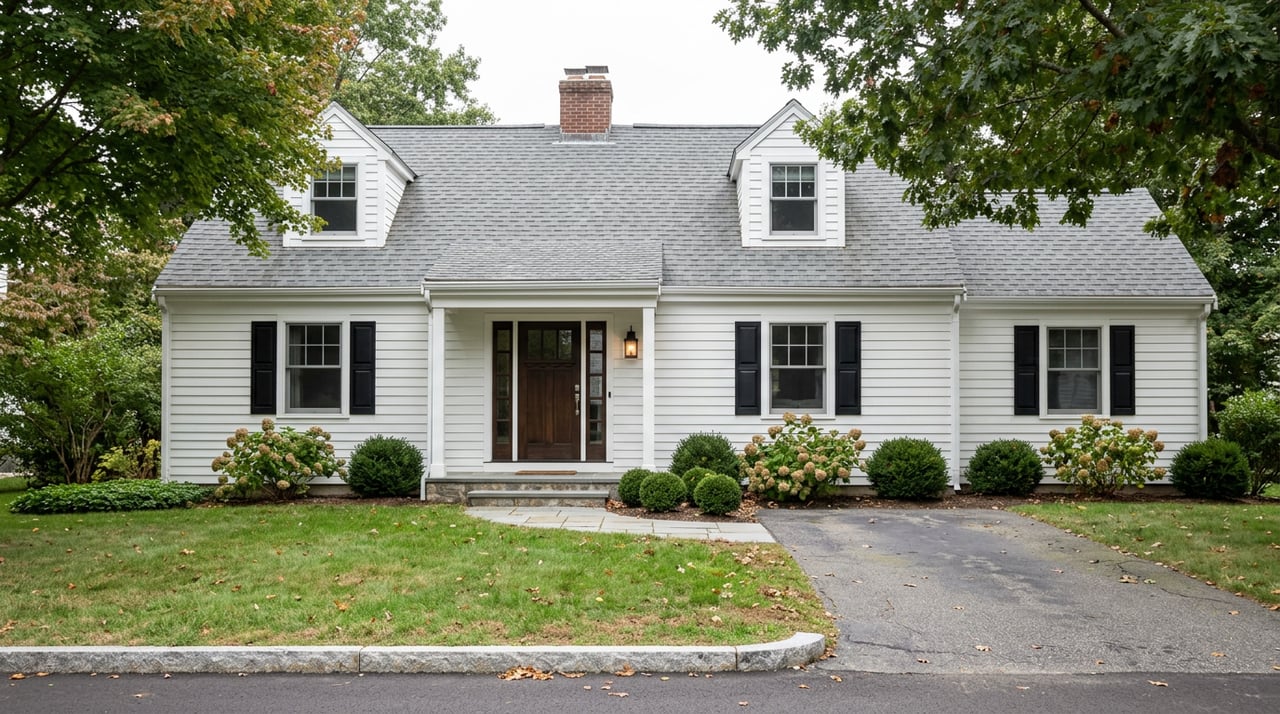
Buying your first home near the Connecticut Shoreline can feel out of reach. In North Branford, you can often get more space and a yard for a price that still fits a first-time budget. If you’re comparing towns, juggling loan options, and wondering how septic systems or well water work, you’re in the right place. In this guide, you’ll learn what a typical starter home costs, how utilities and inspections work here, and how to plan a smart, low-stress purchase. Let’s dive in.
Why North Branford works for first-time buyers
North Branford’s market has offered steady value for entry-level buyers. Recent vendor reports put the town’s median sale value in the mid-$400k range, with many first-time single-family homes listing roughly between $300k and $450k depending on size and condition. You can review a current market snapshot on the North Branford page from RocketHomes for context and recent medians like $417,500 reported in mid-2025. See the latest market overview.
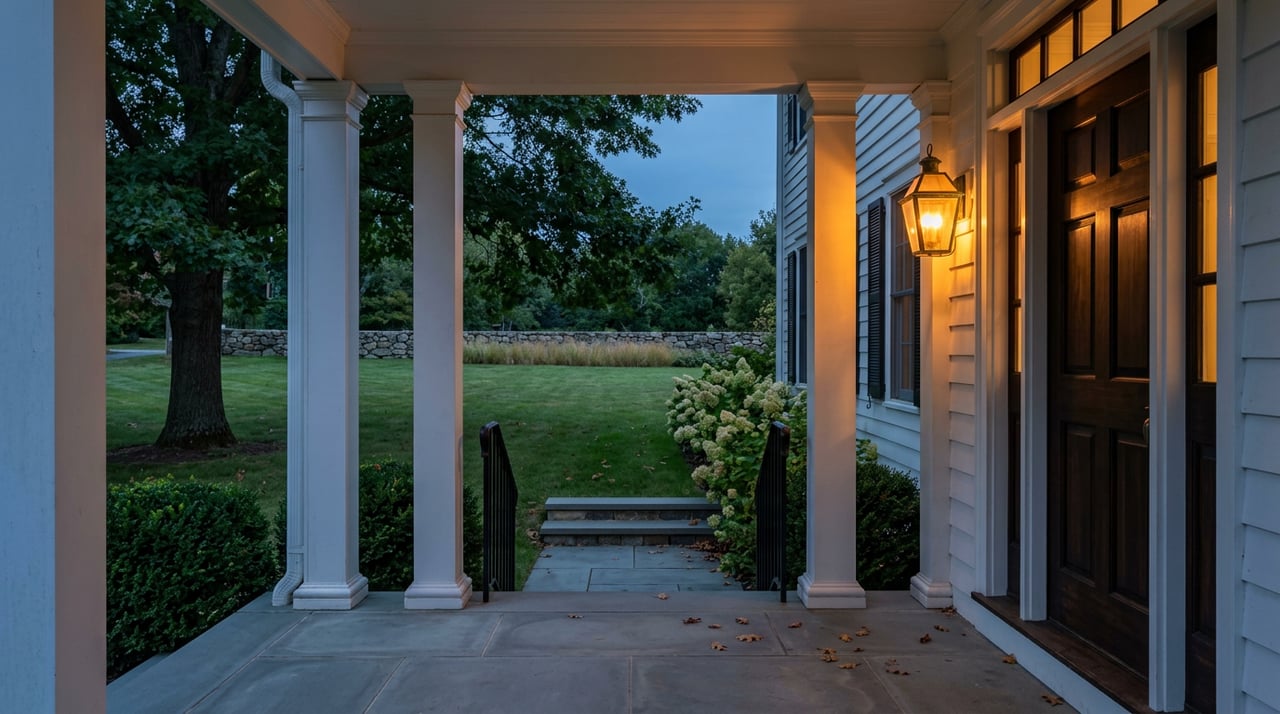
Compared with nearby shoreline towns, North Branford typically offers larger lots and more detached-home options for the money. If you prioritize space, a garage, and a backyard over walk-to-water access, this tradeoff can stretch your budget further. Turnkey or recently renovated homes may price above the median, while older or fixer properties can list closer to the low $300ks.
Seasonality matters in this market. Days on market and inventory shift by month, with spring and early summer bringing more choices. If you want less competition, late summer or fall can be a good window to watch for opportunities and negotiate.
What you’ll find: homes and age
North Branford is predominantly a single-family community. Federal data shows a high share of owner-occupied, detached homes, which means you’ll see more ranch, cape, and colonial styles than condos or townhomes. Confirm local housing mix on the Census QuickFacts page.
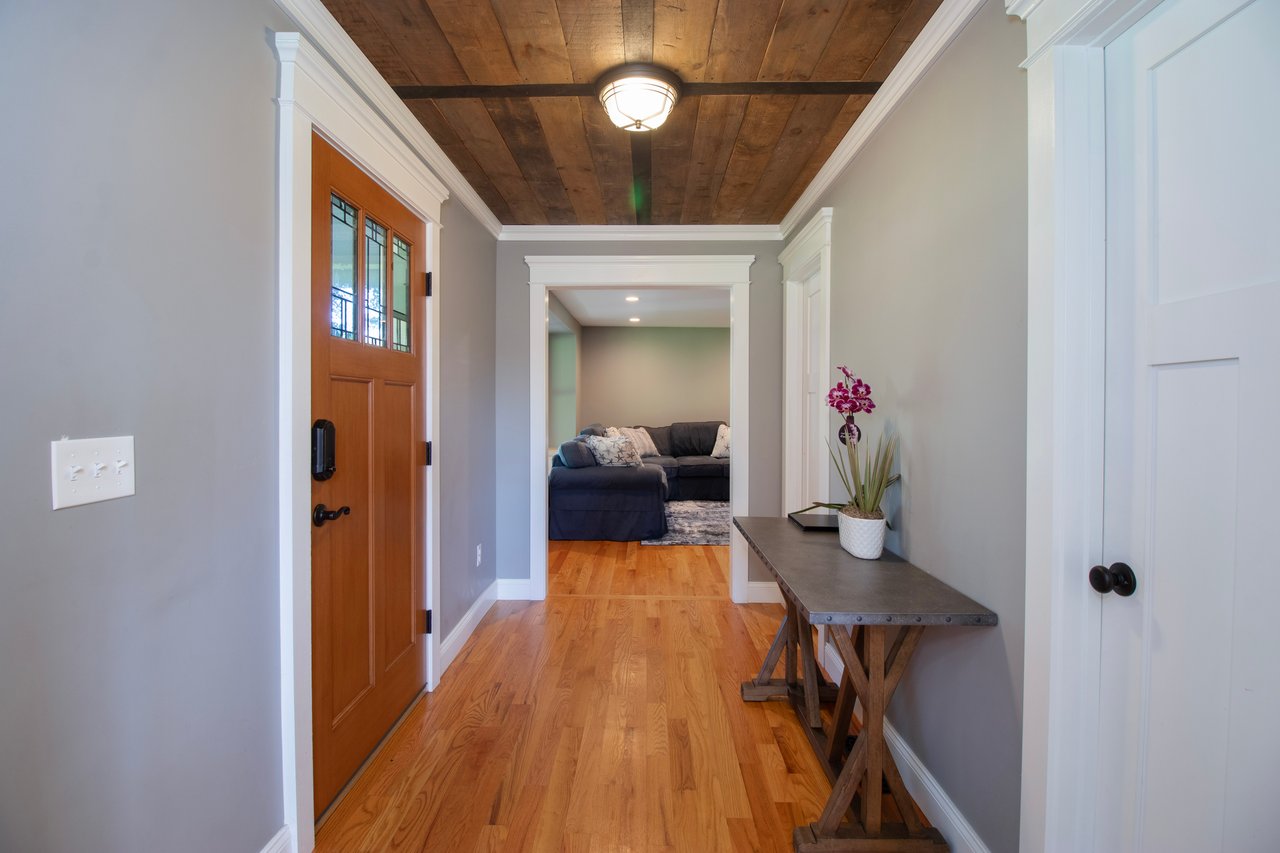
Much of the housing stock dates from the mid-20th century through the 1990s. That age profile is great for buyers who like classic New England styles or plan light updates. It also means inspections are essential. Older homes can come with original systems, oil heat histories, or past renovations that deserve a careful look.
Taxes, utilities, and what to check early
Property taxes: North Branford’s FY25 mill rate was set at 27.61 mills. Your annual tax is the assessed value multiplied by the mill rate, so reviewing the current assessment and confirming the latest mill rate with the Town Assessor should be part of your budgeting. You can see the FY25 mill rate reference in the town’s meeting minutes. Review the town minutes.
Sewer vs. septic: A crucial North Branford detail is utility coverage. The town notes that only about 35% of developed properties are on municipal sewer. Many homes use on-site septic systems, and some rely on private wells. If a property is not on sewer, you’ll want a septic inspection and well-water testing as part of your contingency. Read the town’s sanitary sewers overview.
Permitting and health oversight: For homes with private wells or septic, approvals and inspections often involve the East Shore District Health Department (ESDHD). When you plan a renovation or need well/septic documentation, your contractor and the town will coordinate with ESDHD. See the town’s building permit guidance and ESDHD’s well-water resource.
Your inspection and testing checklist
A strong contract protects you and clarifies what you can negotiate if issues appear. Consider these items for your purchase contingency:
- General home inspection. Hire a licensed inspector to assess structure, roof, electrical, plumbing, HVAC, and safety items. Typical costs are a few hundred dollars depending on size.
- Radon test. Connecticut’s Department of Public Health recommends testing for radon and mitigating if levels meet or exceed action thresholds. Add a short-term radon test to your inspection. Read CT DPH guidance.
- Lead-paint inquiry for pre-1978 homes. Federal and state rules require lead disclosures for older homes. If children are in the home or you plan renovations, consider a risk assessment or targeted lead testing. Review CT DPH’s lead information.
- Septic system inspection. If the property is not on sewer, request a septic evaluation and recent pumping records. Budget for maintenance, and negotiate repairs or credits if needed.
- Well-water testing. Private wells should be tested for bacteria, nitrates, and any local concerns. ESDHD’s resources outline testing standards for our area. See ESDHD well-water guidance.
- Oil heat history and tank sweep. Some older homes used oil heat. If an underground tank is suspected or documented, ask for an oil-tank sweep or environmental review. If a release occurred, CT DEEP requires notification and remediation steps. Read CT DEEP’s homeowner tank page.
Typical cost ranges to plan for:
- Home inspection: often a few hundred dollars depending on square footage.
- Well testing: simple panels commonly a few hundred dollars, more for expanded labs.
- Septic: pumping typically a few hundred dollars; major repairs can run several thousand or more. Replacement systems vary widely by site.
Use local quotes for accuracy, and build a small reserve for immediate fixes and first-year maintenance.
Schools: how to research neutrally
If school information is part of your decision, review Connecticut State Department of Education resources for district-level data. You can find North Branford’s district summary, enrollment, and assessment information in the SDE’s EdSight profile. Open the North Branford district profile. For specific questions, contact the district directly.
Financing your first home in CT
Connecticut Housing Finance Authority (CHFA) programs are a key resource for first-time buyers. CHFA offers mortgages and down payment assistance options for eligible borrowers, plus homebuyer education. Many buyers use these programs to reduce upfront costs. Start by confirming eligibility and connecting with an approved CHFA lender. Explore CHFA’s Downpayment Assistance Program.
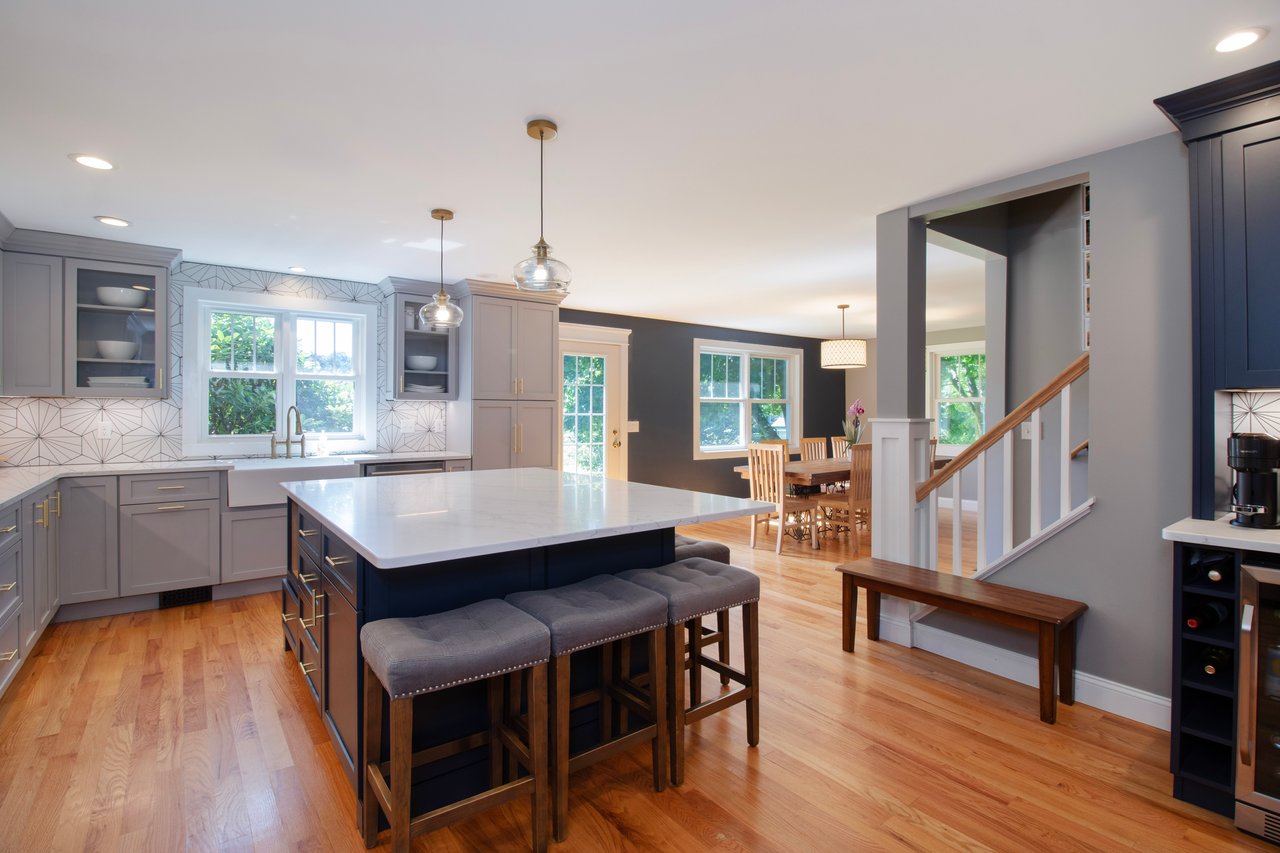
If you plan improvements, talk with your lender and agent about renovation-friendly financing. Homes that need cosmetic updates or system upgrades can be a smart path to equity if the numbers work.
Commute and getting around
North Branford sits about 9 to 10 driving miles from downtown New Haven. Depending on traffic, the drive can take roughly 15 to 25 minutes. Plan about 45 to 60 minutes to Hartford, depending on your route and time of day. Always check a route planner for your specific schedule.
There is no rail station in North Branford itself. The nearest Shore Line East stops are in Branford, Guilford, and Madison, and New Haven Union Station is the regional hub. Many buyers choose a drive-to-station plus rail commute for trips along the shoreline or to Hartford via the CTrail Hartford Line from New Haven. Check Shore Line East service updates.
A simple first-time timeline in North Branford
- Get preapproved and define your budget. Include property taxes, closing costs, and a reserve for inspections and initial updates.
- Tour homes and track utilities. Ask early if a property is on sewer or septic and whether it has a private well. That information shapes your inspection list and budget.
- Make an offer with smart contingencies. Include general inspection, radon testing, lead-paint inquiry for pre-1978 homes, and septic/well testing if not on sewer. Request recent service records where available.
- Complete inspections and negotiate repairs or credits. If well or septic issues arise, your agent can coordinate follow-ups with local vendors and reference ESDHD guidance as needed.
- Appraisal, underwriting, and final loan approval. Your lender will manage these steps. If using CHFA, complete any required education courses.
- Final walkthrough and closing. Confirm agreed repairs are complete and that system utilities are functioning. Plan your first-year maintenance calendar.
North Branford vs. shoreline towns at a glance
- Value and space. North Branford generally offers more lot size and single-family options at lower price points than shoreline neighbors like Branford, Guilford, and Madison. That makes it appealing if you want a yard and room to grow.
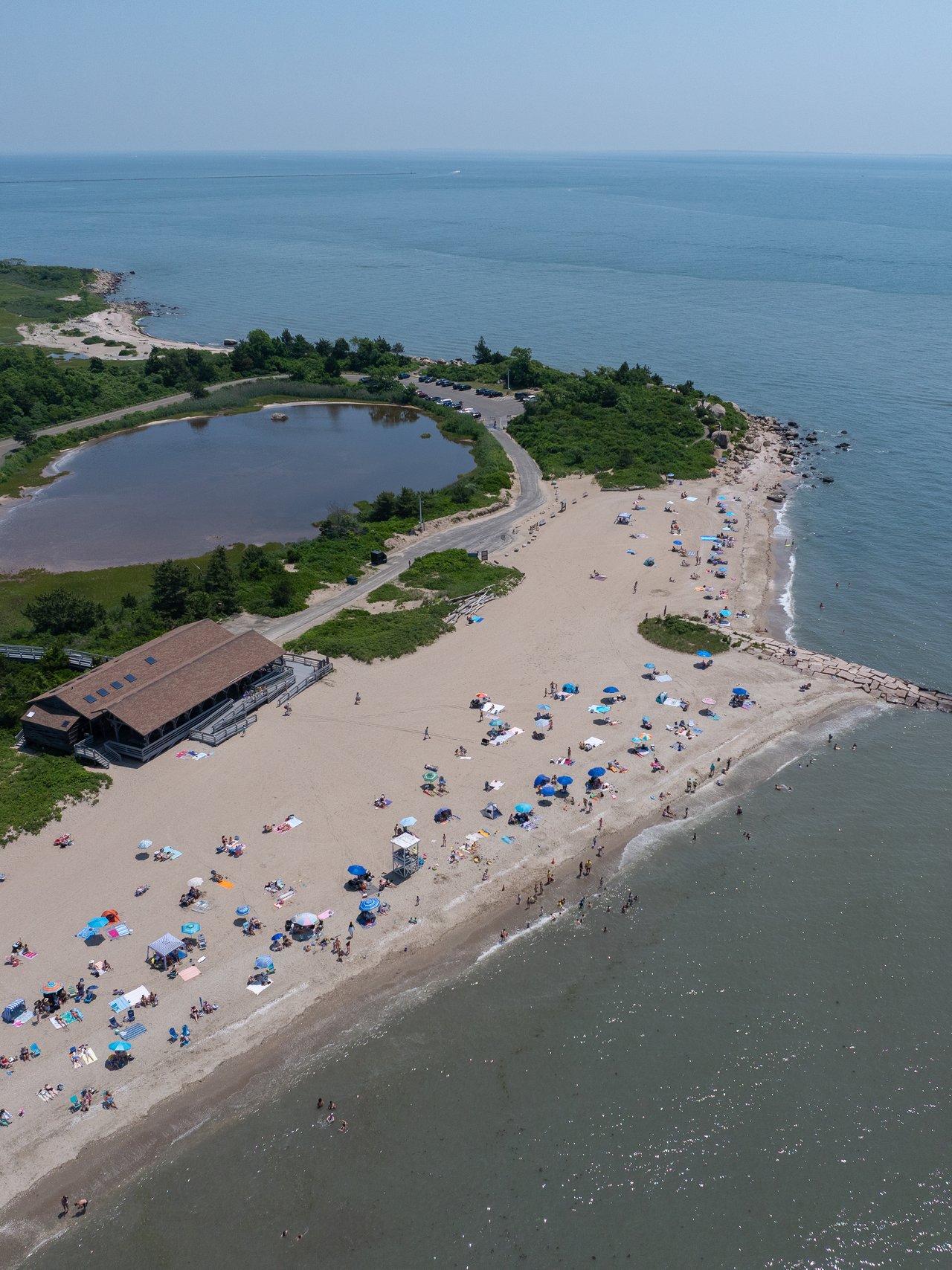
- Proximity to the coast. You’re a short drive to beaches, marinas, and Shore Line East stations, but you won’t pay coastal premiums for walk-to-water locations.
- Flood considerations. Inland locations often have lower exposure to coastal flooding. Still, check FEMA and town floodplain maps for any property near wetlands or low-lying areas before assuming flood insurance is unnecessary.
Ready to find the right first home with clarity on price, utilities, and inspections? Reach out for a local game plan, from smart offer strategy to renovation advisory if you want to add value after closing. Connect with Jules G. Etes for a focused first-time buyer consult.
FAQs
What are typical starter-home prices in North Branford?
- Many first-time single-family homes list between about $300k and $450k, while the town’s overall median has tracked in the mid-$400k range based on recent vendor snapshots.
How do septic and well systems affect my purchase?
- If a home is off sewer, include a septic inspection and full well-water testing in your contingency, budget for maintenance, and coordinate with local health guidance via ESDHD.
How do North Branford property taxes work?
- Taxes use the town’s mill rate applied to the property’s assessed value; North Branford set 27.61 mills for FY25, and you should verify the current rate with the Town Assessor.
What inspections should I include as a first-time buyer?
- Plan on a general inspection, radon test, lead-paint inquiry for pre-1978 homes, septic inspection if not on sewer, well-water testing for private wells, and an oil-tank sweep when older oil heat is possible.
Are there Connecticut programs to help with down payment?
- Yes, CHFA offers first-time buyer mortgages and down payment assistance for eligible borrowers, plus homebuyer education to prepare you for closing and ownership.