Trying to decide between North Branford and North Haven for your next move? You are not alone. The right town should fit your commute, your daily routine, and your housing style. In this guide, you will learn how these two New Haven County neighbors compare on driving routes, town vibe, recreation, schools, and the types of homes you are likely to find. Let’s dive in.
Quick take: commute and housing fit
- Commute: North Haven usually offers faster access to I‑91 and a more direct drive to downtown New Haven and Hartford. North Branford relies more on local state routes and can take longer to reach central New Haven during peak hours.
- Lifestyle: North Haven has a busier commercial corridor with more shopping convenience. North Branford feels quieter and more rural with village centers and larger lots.
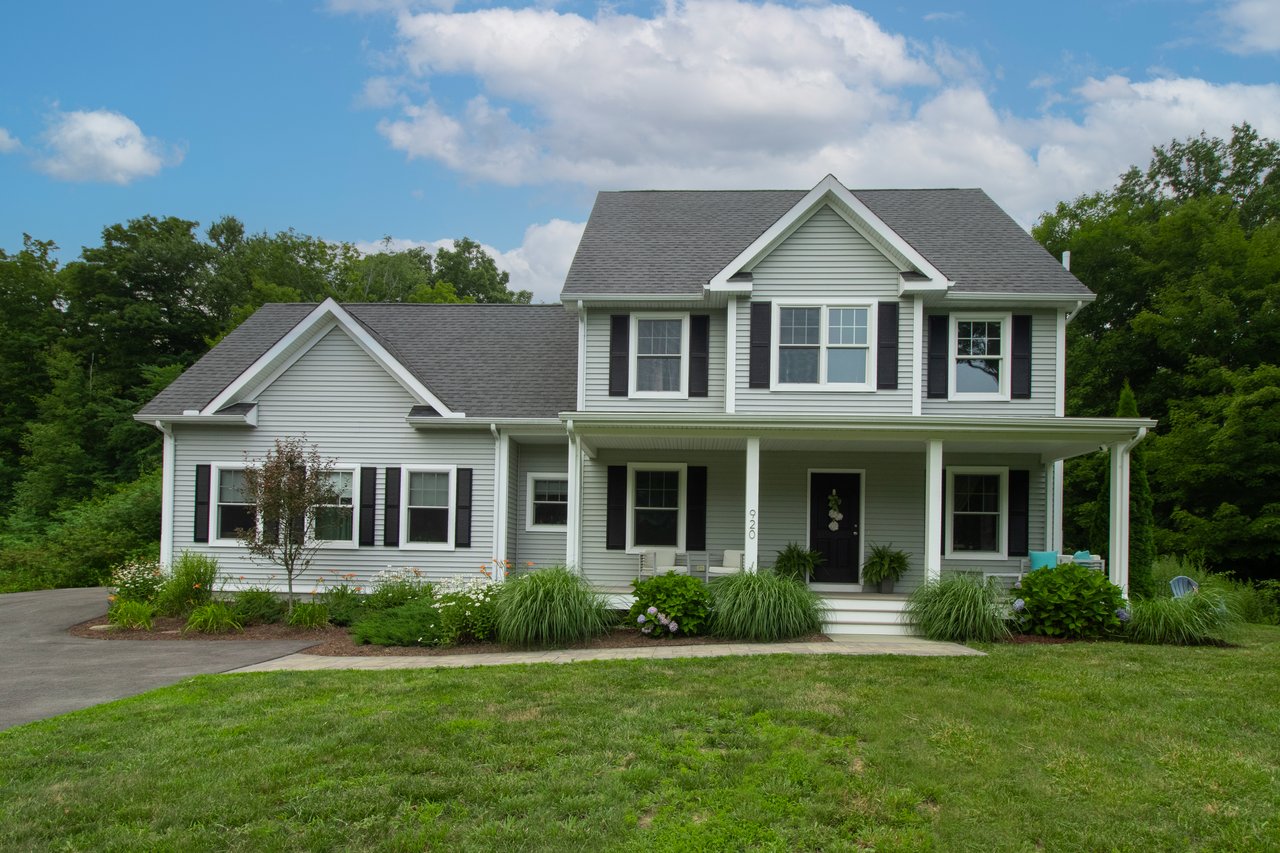
- Housing: Both towns are mostly single‑family homes. North Branford skews to larger lots and a country‑suburban mix. North Haven has more mid‑century suburban homes plus more condo and townhouse options.
- Tip: Commute times vary by the address and time of day. Check live navigation during rush windows.
How the drive feels day to day
To downtown New Haven and Yale
- From North Haven: You typically reach New Haven via I‑91 south or local connectors. Off‑peak, many drives fall in the 15 to 25 minute range, with longer times during rush hours.
- From North Branford: Routes often include portions of Route 80, Route 17, or local roads to reach I‑95 or city streets. Trips into central New Haven are commonly longer than from North Haven, especially at peak.
To Hartford and I‑91 business parks
- From North Haven: Proximity to I‑91 north offers a straightforward run to employment centers along the corridor and into Hartford.
- From North Branford: You will typically use local connector roads to reach I‑91 first, which adds time compared to starting in North Haven.
To NYC via rail
- Both towns drive to New Haven’s Union Station for Metro‑North and Amtrak. North Haven’s highway access can make station trips marginally easier. Eastbound commuters may also consider Shore Line East stations depending on the destination.
Transit and non‑driving options
- Bus: CTtransit serves parts of North Haven along key corridors. North Branford has limited in‑town coverage, so most residents drive to transit hubs.
- Biking and walking: Both towns are primarily auto‑oriented. Neighborhoods near North Haven’s commercial areas have more sidewalks and short walks to errands.
Tips to test your commute
- Check live navigation between 7 to 9 AM and 4 to 6 PM on weekdays to capture both directions.
- Save multiple routes and compare door‑to‑door travel times.
- Recheck during school season and if there is regional construction that could shift patterns.
Town centers and daily lifestyle
North Haven: convenience and services
North Haven offers several commercial corridors with grocery stores, restaurants, and service businesses in close proximity. Errands are simpler when you can stack stops in one loop. Areas near Route 5 and I‑91 feel more active and provide a balance of suburban neighborhoods and shopping access.
North Branford: village feel and quiet streets
North Branford centers on smaller village hubs, including Northford near the town green, with local shops and eateries. Commercial areas are more spread out, and many residents head to nearby towns for bigger shopping trips. The tradeoff is a quieter, more rural atmosphere with streets that feel tucked away.
Parks and outdoor time
- North Branford: You will find more rural parcels, local trail networks, and conservation lands that add to the country feel, along with village greens and community parks.
- North Haven: The town leans into larger recreation facilities, athletic fields, and structured programs, and sits close to regional parks.
- Regional access: Both towns are a short drive to shoreline beaches, state parks, and New Haven County trail systems.
Schools and educational services
Each town operates its own K‑12 district: North Branford Public Schools and North Haven Public Schools. For the most current data on enrollment, graduation rates, and assessment performance, review the latest reports from the Connecticut State Department of Education. School options and outcomes can vary by address and can change over time, so verify school boundaries for any specific property before you make a decision. Private and parochial schools are also available in the broader New Haven area.
Housing styles and where you may find fit
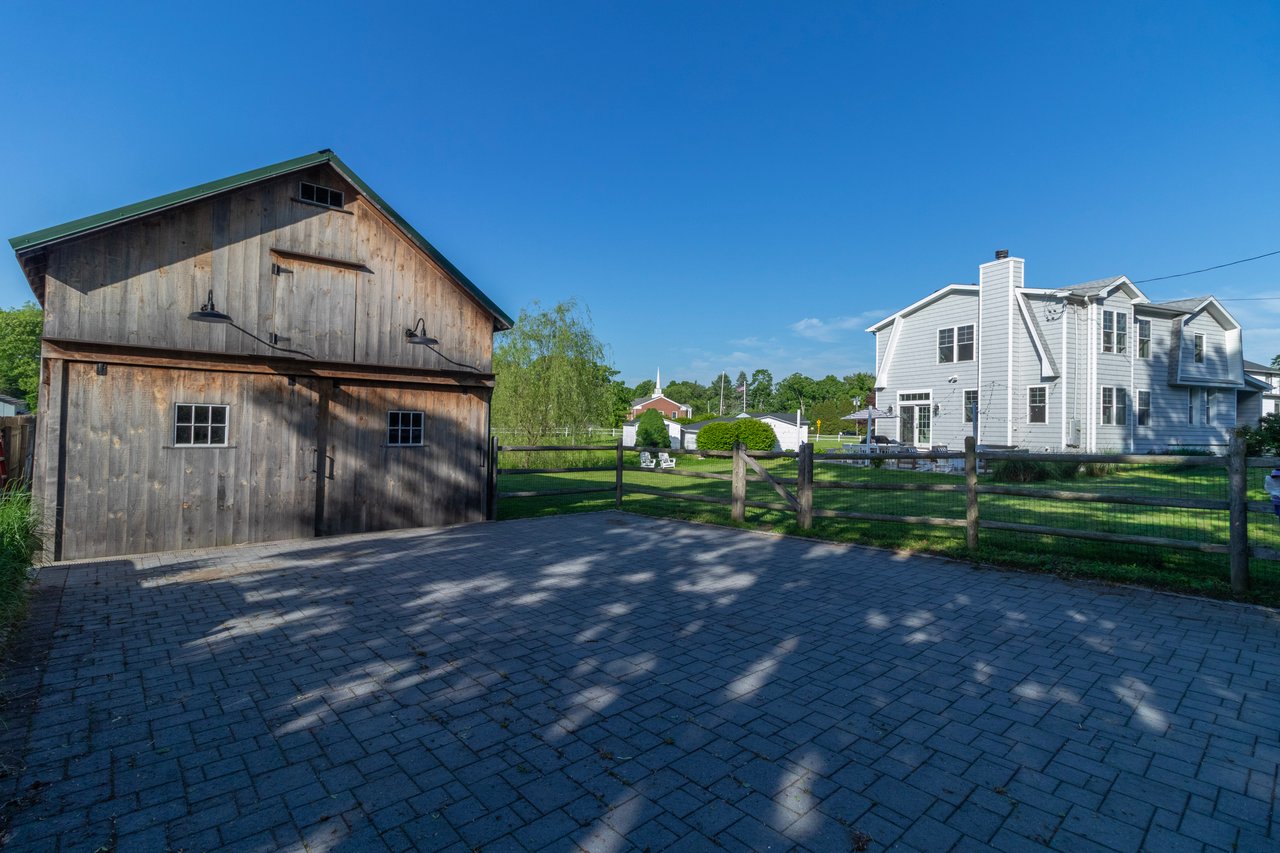
- North Branford: Predominantly single‑family homes on medium to large lots. You will see ranches, Capes, colonials, and some newer builds. Multifamily and condo choices are more limited.
- North Haven: A broad mix of mid‑20th century suburban homes, plus townhouse and condo developments in select areas. If you want a lower‑maintenance option or something close to shopping, you may find more choices here.
Price tiers and inventory snapshots
Specific prices change month to month, so focus on how each town’s inventory tends to look:
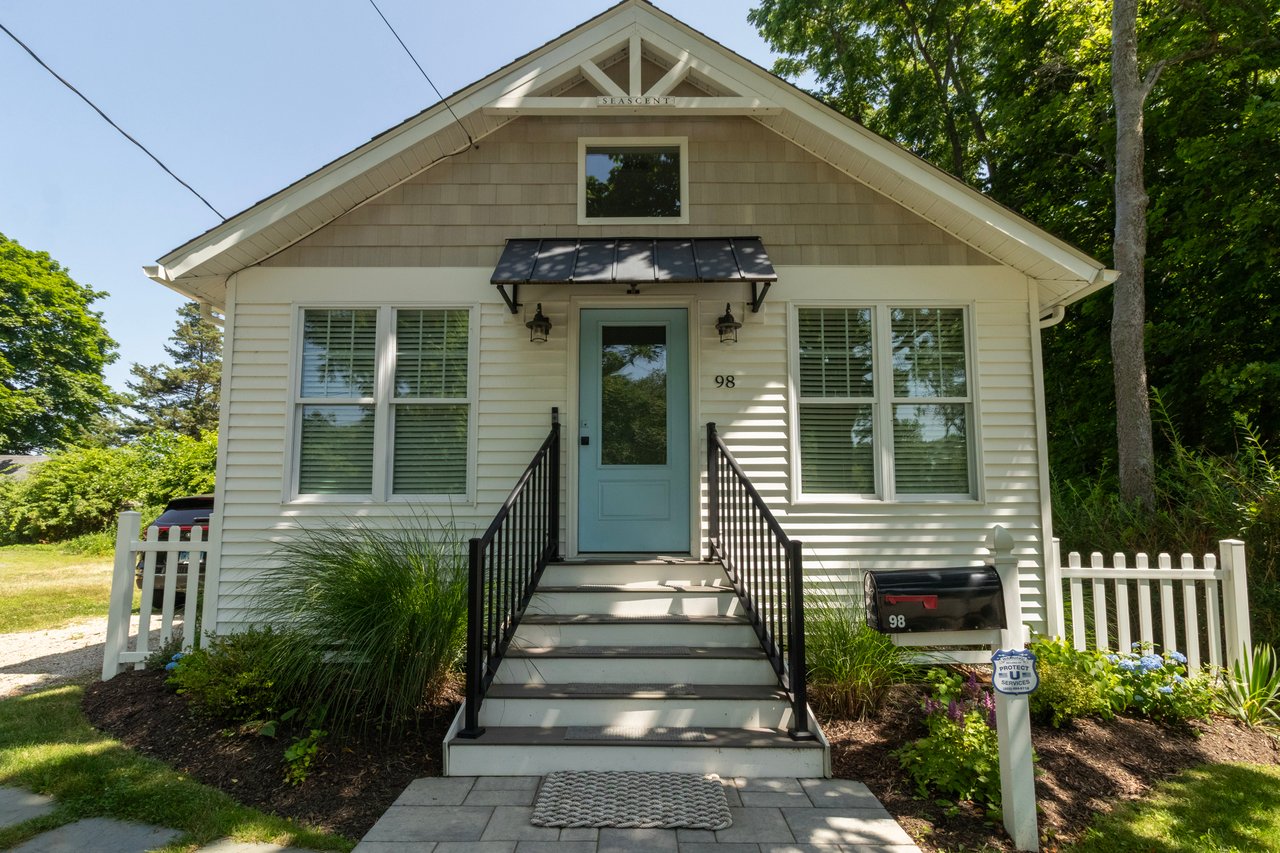
- Entry tier: In North Haven, more condos and smaller single‑family homes create additional entry routes for buyers. In North Branford, entry options are more likely to be smaller single‑family homes on larger lots and fewer condos.
- Mid‑range: Both towns offer 3 to 4 bedroom colonials and ranches. Lot size often tilts larger in North Branford.
- Premium: Look for larger homes, recent renovations, expanded floor plans, or acreage in both towns. Newer construction or extensively updated homes command premium pricing.
For current medians, days on market, and price per square foot, check SmartMLS or your preferred market snapshot and note the date of the data you use.
Taxes and cost of ownership
Property taxes in each town are based on the local mill rate and your property’s assessed value. You can estimate a bill using this formula:
- Estimated annual property tax = Assessed value × Mill rate ÷ 1,000
Example with sample numbers only:
- If a home’s assessed value is 300,000 and the town mill rate is 30, then the estimated tax would be 300,000 × 30 ÷ 1,000 = 9,000 per year. Always confirm the current mill rate and your property’s assessment with the town assessor.
Other costs to weigh:
- Sewer vs septic: Some neighborhoods are on public sewer, others on septic. In North Branford, wells and septic are common in certain areas. Budget for septic inspections and well testing during due diligence.
- Water and utilities: Confirm water service coverage, utility providers, and typical energy costs for the home’s age and systems.
- HOA fees: If you are considering a condo or planned community in North Haven, review monthly fees and what they cover.
Buyer checklist to make the right call
- Test your commute at least twice in both directions during rush hours.
- Visit each town center on a weekday evening and a weekend morning to gauge daily rhythm.
- Verify school assignments for the specific property address and review the latest district reports.
- Confirm sewer or septic, well status if applicable, and any planned nearby development with the town planning office.
- If you are considering updates, explore renovation timelines and costs early so you can compare move‑in‑ready vs value‑add options.
Choosing between North Branford and North Haven comes down to tradeoffs you can feel: highway access versus rural quiet, shopping convenience versus larger lots, and housing style preferences. If you want help narrowing the options, crafting a smart offer, or planning a renovation path, connect with Jules G. Etes for a clear, data‑guided strategy.
FAQs
Which town is better for commuting to Yale and downtown New Haven?
- For most addresses, North Haven offers a more direct drive via I‑91, though exact times vary by route and rush‑hour traffic.
Which town feels quieter and more rural day to day?
- North Branford generally provides a quieter, more rural character with larger lots and village centers.
How do housing options differ between the towns?
- North Haven includes more condo and townhouse choices alongside suburban single‑family homes, while North Branford skews toward single‑family homes on larger lots.
Where might I find more entry‑level options?
- North Haven often shows more entry points through condos and smaller single‑family homes, while North Branford has fewer condos and more single‑family options.
How should I compare property taxes between the towns?
- Use the formula Assessed value × Mill rate ÷ 1,000 and verify each town’s current mill rate and your property’s assessed value with the assessor.
Are there public transit options if I do not want to drive daily?
- Coverage is limited. Parts of North Haven have CTtransit service, while North Branford residents typically drive to regional transit hubs like New Haven’s Union Station.