Wondering whether a home in inland Branford or along the coast fits your life better? It is a smart question, especially in a shoreline town where a few miles can change your daily routine, housing style, and even the rules that affect a property. If you are comparing options in Branford, this guide will help you understand how inland and coastal homes differ so you can focus your search with more confidence. Let’s dive in.
Branford offers two distinct lifestyles
Branford is not just one kind of shoreline town. Its town center, harbor areas, and shoreline villages each bring a different feel. Town historic district descriptions paint that picture clearly, from Branford Center as the core of a small coastal town to shoreline areas like Short Beach, Branford Point, and Stony Creek that have a more water-oriented identity.
That means your choice is not only about house size or price point. It is also about how you want your days to work. Some buyers want easier commuting and a more conventional residential setup, while others want water access, boating culture, and a stronger connection to the shoreline.
Inland Branford lifestyle
Inland and central Branford often feel more tied to everyday convenience. Around Branford Center and the Route 1 corridor, you are more likely to find a mix of residential streets, public buildings, and local commercial areas that support daily errands and commuting. The result is practical, but still rooted in Branford’s layered New England character.
Branford Center is not a generic suburban area. The town describes it as a historic core with mixed commercial, residential, and public buildings that reflect 19th- and 20th-century styles. If you want a home base that feels connected to the town’s day-to-day rhythm, inland Branford often delivers that best.
What daily life may feel like inland
For many buyers, inland living means a more familiar house-and-driveway pattern. That can translate to easier parking, simpler routines, and a setup that supports busy schedules. This is a practical read based on the compact character of shoreline districts and Branford’s development rules, not a formal town classification.
Inland homes may also be a better fit if your week revolves around work, school drop-offs, errands, or regular commuting. Locations closer to Route 1, the train station, or Branford’s park-and-ride lots often make those routines easier. Connecticut DOT notes that Shore Line East stops in Branford, with connections at New Haven Union Station to the New Haven Line.
Inland does not mean no property constraints
It is easy to assume inland automatically means fewer restrictions, but that is not always the case. Branford administers an inland wetlands and watercourses program, and the town notes that buildable land has decreased dramatically. Buildable lots still need to comply with inland wetlands, floodplain, building, fire, and zoning rules.
So if you are looking at an inland property with plans to expand, rebuild, or add features, early due diligence still matters. A home that feels farther from the shoreline can still come with site limitations that shape what you can do.
Coastal Branford lifestyle
Coastal and harbor-adjacent Branford often offer a more distinctive setting. In these areas, the home is not just a place to live. It can also feel connected to the beach, harbor, marinas, boating activity, and the visual character of the shoreline.
The town’s historic district descriptions show how varied and architecturally rich these areas are. Branford Point includes homes from the Revolutionary period through the Second World War, with styles such as Greek Revival, Italianate, Queen Anne, Shingle, and Colonial Revival. Short Beach is described as a quiet, compact shoreline community, and Stony Creek carries the identity of a village district with design review.
What daily life may feel like near the water
If you love being near the shoreline, coastal Branford can feel like a natural fit. Connecticut’s coastal access rules allow the public to use coastal lands and waters for activities such as fishing, shellfishing, boating, sunbathing, and walking along the beach. For many buyers, that broad access makes the water part of everyday life rather than just an occasional destination.
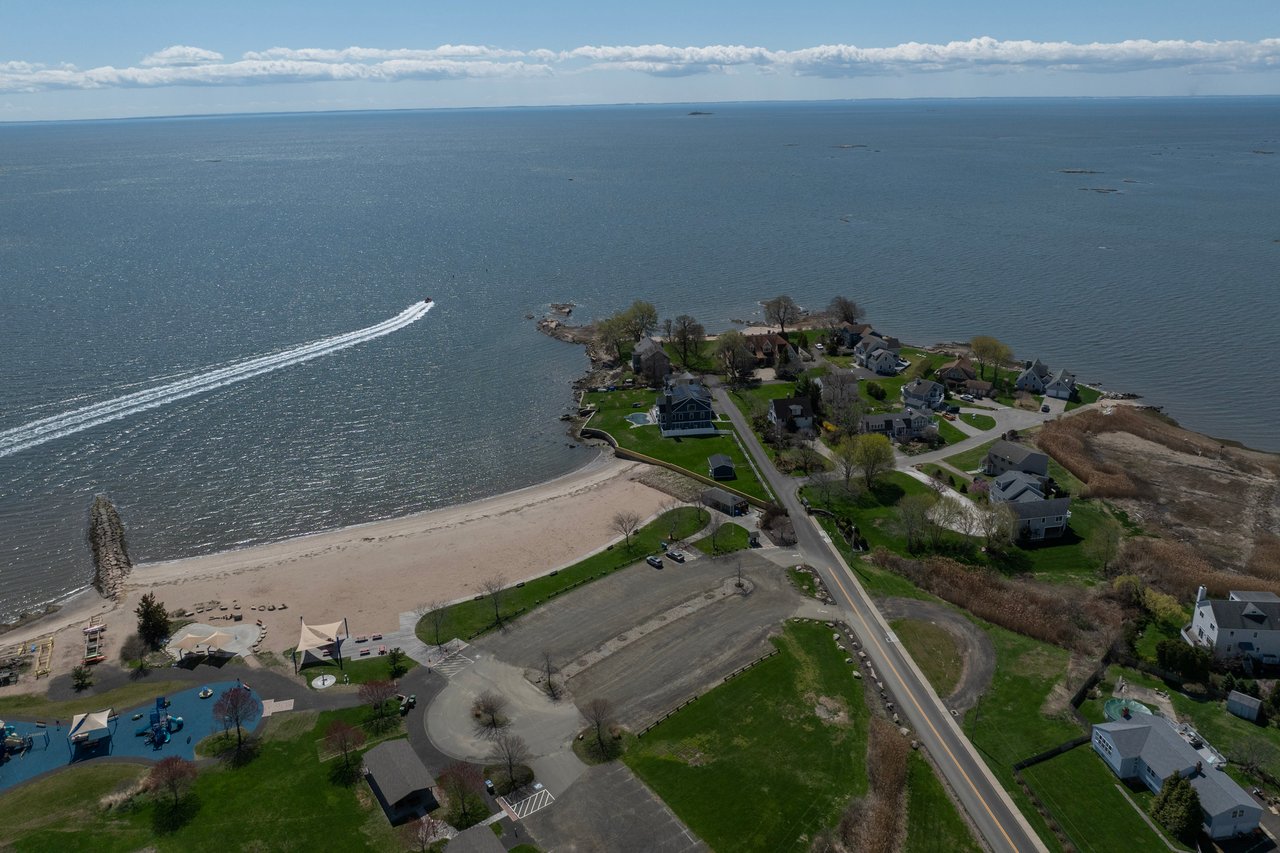
Branford Point Beach at Parker Memorial Park is one example of that lifestyle. The state describes nearly 360-degree views of Branford Harbor, including marinas, recreational boaters, and the town beach. Parking is free but limited, which also hints at a common shoreline tradeoff: access and scenery often come with a more compact setup.
Boating is a real part of the lifestyle
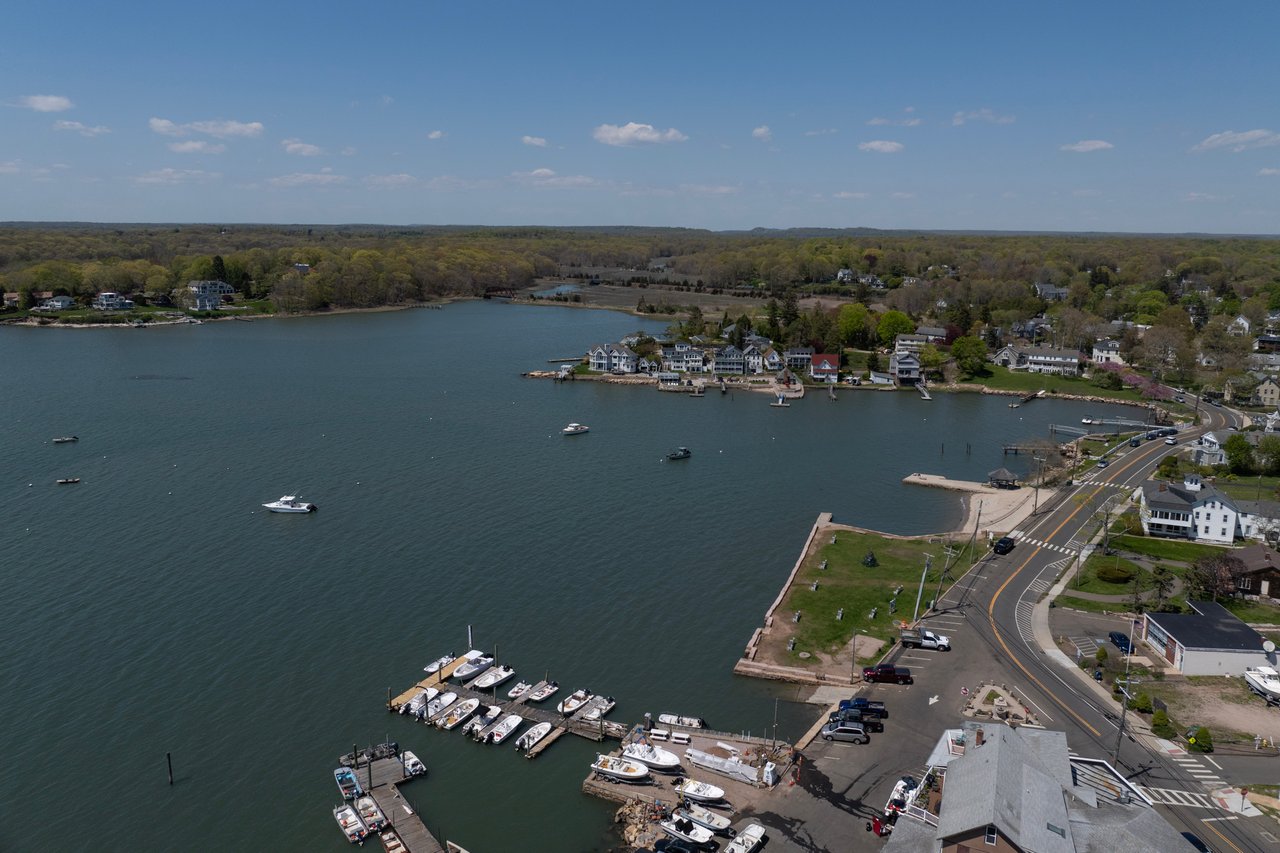
In Branford, harbor living is more than a postcard view. The Harbor Master says Branford’s jurisdiction covers about 20 miles of shoreline, and that Branford River and Branford Harbor include 13 yacht clubs and marinas, 1,800 boat slips, and 65 moorings. The town also operates marine police and fire boats, along with pump-out boats.
If you are a boater, that infrastructure can be a major advantage. The Branford River Boat Launch at 30 Goodsell Point Road is year-round, trailer-accessible, ADA accessible, and includes 37 parking spaces. If you are not a boater, it is still useful to know that harbor areas may feel more active, more seasonal, and more regulated than inland neighborhoods.
Housing character: conventional vs distinctive
One of the biggest differences between inland and coastal Branford is the feel of the homes themselves. Inland homes often support a more conventional residential pattern focused on utility and daily ease. Coastal homes and village properties tend to stand out more for historic character, water orientation, and compact neighborhood form.
That does not mean one is better than the other. It means you should decide whether you value straightforward function or a setting with stronger visual identity and shoreline presence. For many buyers, that lifestyle preference becomes clearer than any single home feature.
Coastal areas may include design review
If you are considering Stony Creek, be aware that some projects may face an added level of review. The town’s Stony Creek Village District has architectural review requirements for certain new construction or reconstruction projects over 3,500 gross square feet, as well as projects that need site plan or special exception approval. The goal is to preserve scale, rhythm, materials, and rooflines.
For the right buyer, that oversight helps protect neighborhood character. Still, it is something to understand before you buy, especially if you hope to make major future changes.
Space, privacy, and lot use
A helpful way to frame the tradeoff is this: coastal homes often prioritize proximity and access, while inland homes more often prioritize utility, parking, and everyday living space. That conclusion comes from Branford’s descriptions of compact shoreline communities, water-oriented architecture, and limited parking at coastal access sites, along with the structure of inland development rules.
In practical terms, shoreline buyers may be choosing character and access over larger yards or simpler layouts. Inland buyers may be more likely to find a setup that works well for storage, vehicles, or daily household flow. Neither outcome is guaranteed, but it is a useful lens when touring homes.
Commuting and convenience
If commuting is a major factor, inland and central Branford may have the edge. Branford has a Shore Line East station, and the town lists several key state-maintained roads, including Route 1, Route 146, Route 142, Route 139, and Route 740. CTDOT also maintains park-and-ride lots at Route 1 @ Cherry Hill, I-95 @ Route 1 Exit 55, and I-95 @ the maintenance garage Exit 56.
That road and transit layout supports a simple conclusion. Homes closer to Route 1, the train station, and the I-95 park-and-ride options are often easier for regular commuters, while homes farther south or east may trade some directness for beach access, harbor views, and a more water-centered lifestyle.
Key due diligence before you buy
Whether you prefer inland or coastal Branford, a few local checks can save time and help you avoid surprises.
Check flood zones early
If a home is near the water, review FEMA flood maps as early as possible. Branford’s Engineering Department states that the town cannot determine a property’s flood zone for you. The town also notes that any alteration or improvement within the 100-year floodplain requires a permit.
Ask about the Coastal Management Area
For properties near the shoreline, ask whether the parcel sits in Branford’s Coastal Management Area. The town’s staff guidance says coastal site plan review may be required for activities there, especially where FEMA flood zones, shoreline protection issues, or critical coastal resources are involved.
Confirm harbor and mooring rules
If a property is on or near the harbor, ask about mooring status right away. Branford’s Harbor Master says new non-commercial moorings are currently under a moratorium, and moorings must be registered. For buyers who picture a boat-focused lifestyle, that is an important detail to verify before moving forward.
Which Branford lifestyle fits you best?
If you want a more conventional residential setting, simpler commuting patterns, and practical day-to-day function, inland Branford may be the better fit. If you picture beach walks, boating access, harbor activity, and a stronger water-oriented identity, coastal Branford may feel more aligned with your goals.
The best choice often comes down to how you want your home to support your routine. Some buyers want a house that makes weekdays easier. Others want a property that feels tied to the shoreline every day of the year.
If you are weighing Branford’s inland and coastal options, working with a local advisor can help you compare not just homes, but the lifestyle and property considerations behind them. For thoughtful guidance across Connecticut shoreline communities, connect with Jules G. Etes .
FAQs
What is the difference between inland and coastal homes in Branford?
- Inland Branford often offers a more conventional residential setting with easier access to Route 1, rail, and everyday errands, while coastal Branford tends to offer more historic character, shoreline access, boating activity, and water-oriented living.
Are coastal homes in Branford subject to extra rules?
- Yes. Depending on location, coastal properties may involve floodplain requirements, Coastal Management Area review, and harbor-related rules. In places like Stony Creek, some larger projects may also require architectural review.
Is inland Branford easier for commuters?
- In many cases, yes. Homes closer to Route 1, the Branford Shore Line East station, and I-95 park-and-ride lots are often better positioned for regular commuting.
Does living near Branford Harbor mean easy boating access?
- It can, since Branford has extensive boating infrastructure, including marinas, yacht clubs, slips, moorings, and a year-round public boat launch. Still, buyers should confirm local mooring rules and access details early.
Should buyers check flood zones for Branford coastal homes?
- Yes. Branford advises buyers to check FEMA flood maps early, especially for homes near the water, because flood zone status can affect permits and future property improvements.