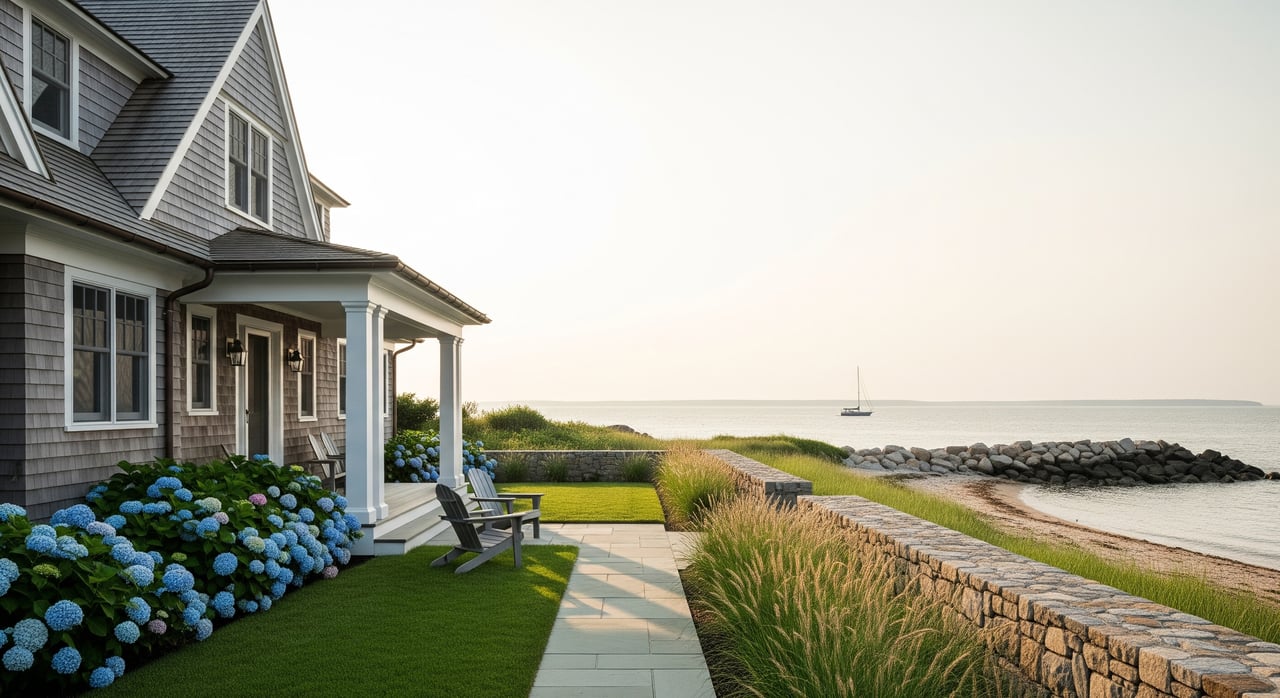
Thinking about a move to Madison, CT for more shoreline, more calm, and easy access to parks and beaches? You are not alone. Madison offers a small-town feel with a classic New England green, coastal recreation, and a relaxed pace that attracts year-round and seasonal residents. In this guide, you will learn what daily life looks like, how you get around, common housing types and price bands, and what to know before you buy. Let’s dive in.
Madison at a glance
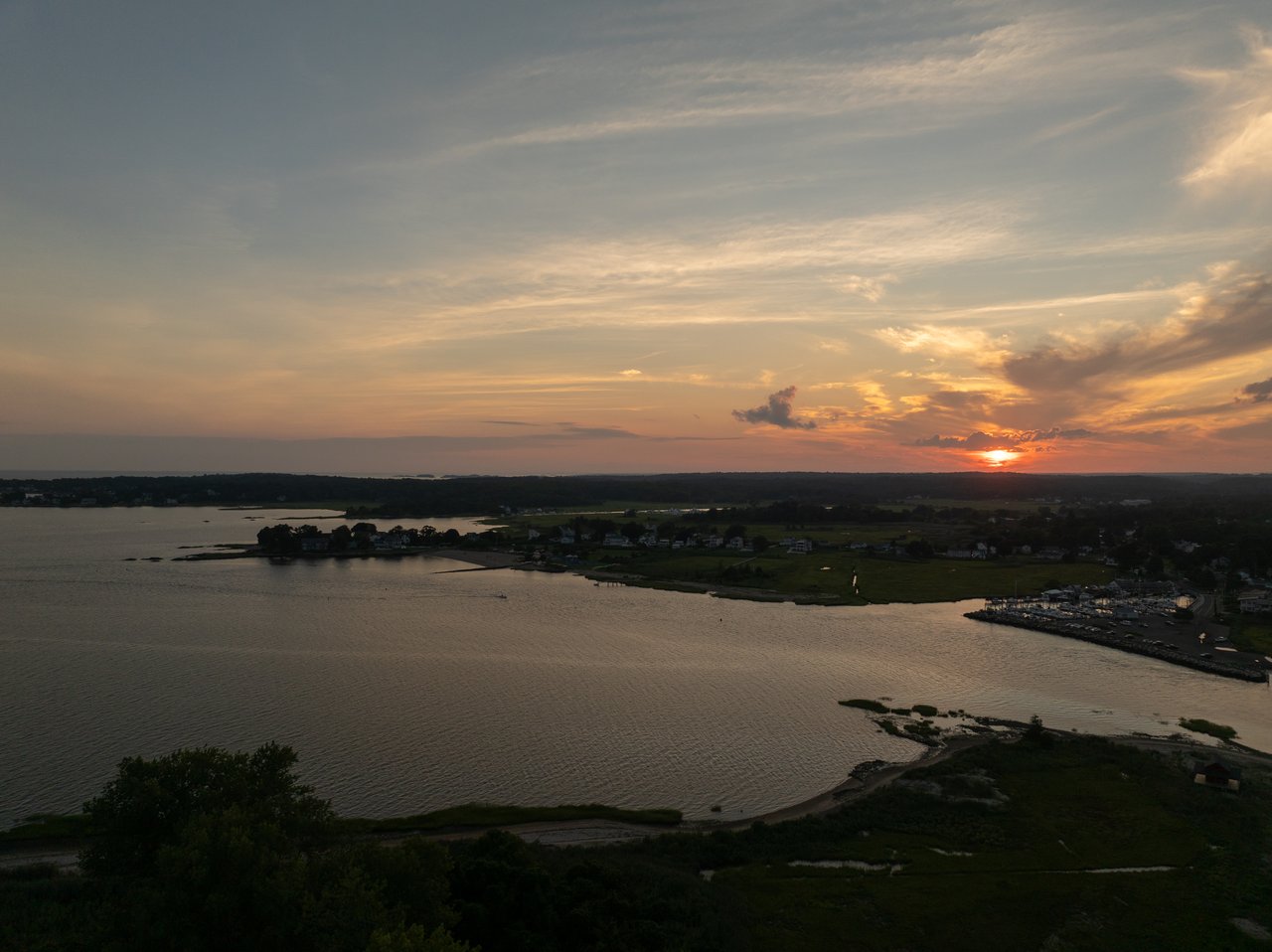
Madison sits on Connecticut’s Shoreline in New Haven County, between Guilford and Clinton, within the South Central Connecticut planning region. The town’s scale is small, with a population of about 18,000 according to the 2020 Census. You will find a quiet residential character, a traditional downtown green, and a strong connection to open space and the coast. For town services, events, and local departments, start with the Town of Madison.
Town center and recreation
Downtown Green
Madison’s center is built around a classic New England green with small shops, restaurants, and civic buildings. The area is walkable and hosts community events like farmers markets and seasonal celebrations. It is the hub for errands, coffee, and local life.
Hammonasset Beach State Park
Madison is home to Hammonasset Beach State Park, the state’s largest shoreline park. You get nearly two miles of beach, a boardwalk, dunes, picnic areas, seasonal camping, and the Meigs Point Nature Center. Explore activities and hours through the Hammonasset Beach State Park page.
Year-round activities
Beyond the beach, you can hike local trails, birdwatch along the shore, and enjoy cross-country skiing when conditions allow. Boating and fishing are popular from local marinas and public launch points. Town parks and conservation areas are maintained through Madison’s municipal departments, which place emphasis on preserving open space.
Getting around and commuting
Highways
I-95 is the main artery along the Shoreline, with US-1 as a local parallel route. State roads like Route 79 connect you inland. Expect heavier congestion during peak commute times and summer weekends near beaches. For highway updates and planning, refer to the Connecticut Department of Transportation.
Rail and regional links
The Northeast rail corridor runs along the coast. You can use Shore Line East commuter rail to reach New Haven and connect into regional systems, with Amtrak providing intercity service along the corridor. Many residents drive to the most convenient station, depending on where they live in town.
Commute patterns
A common pattern is commuting west to New Haven or east to smaller employment centers. Driving to New Haven is often under an hour depending on congestion, and rail can simplify connections into New Haven and beyond. Your times will vary by destination, time of day, and season.
Housing options and price bands
Common property types
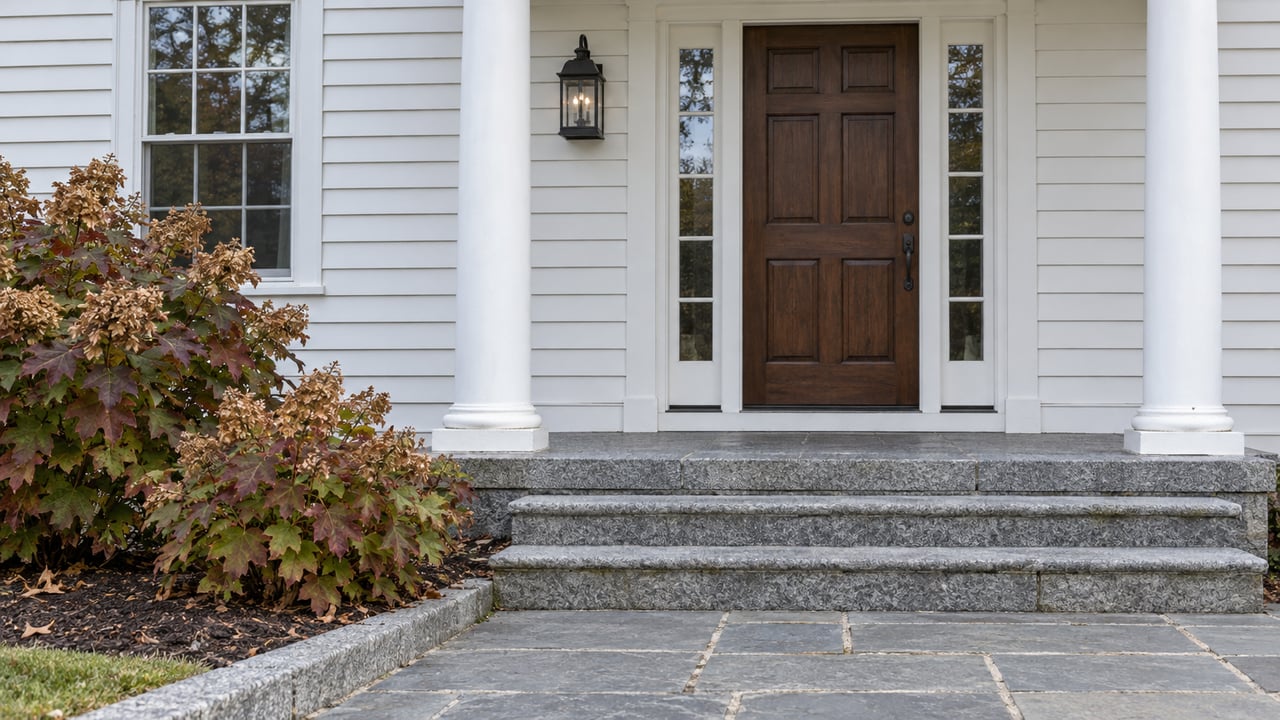
- Single-family homes are the most common, including Colonial, Cape, Ranch, saltbox, and contemporary styles. Lots and ages vary by neighborhood.
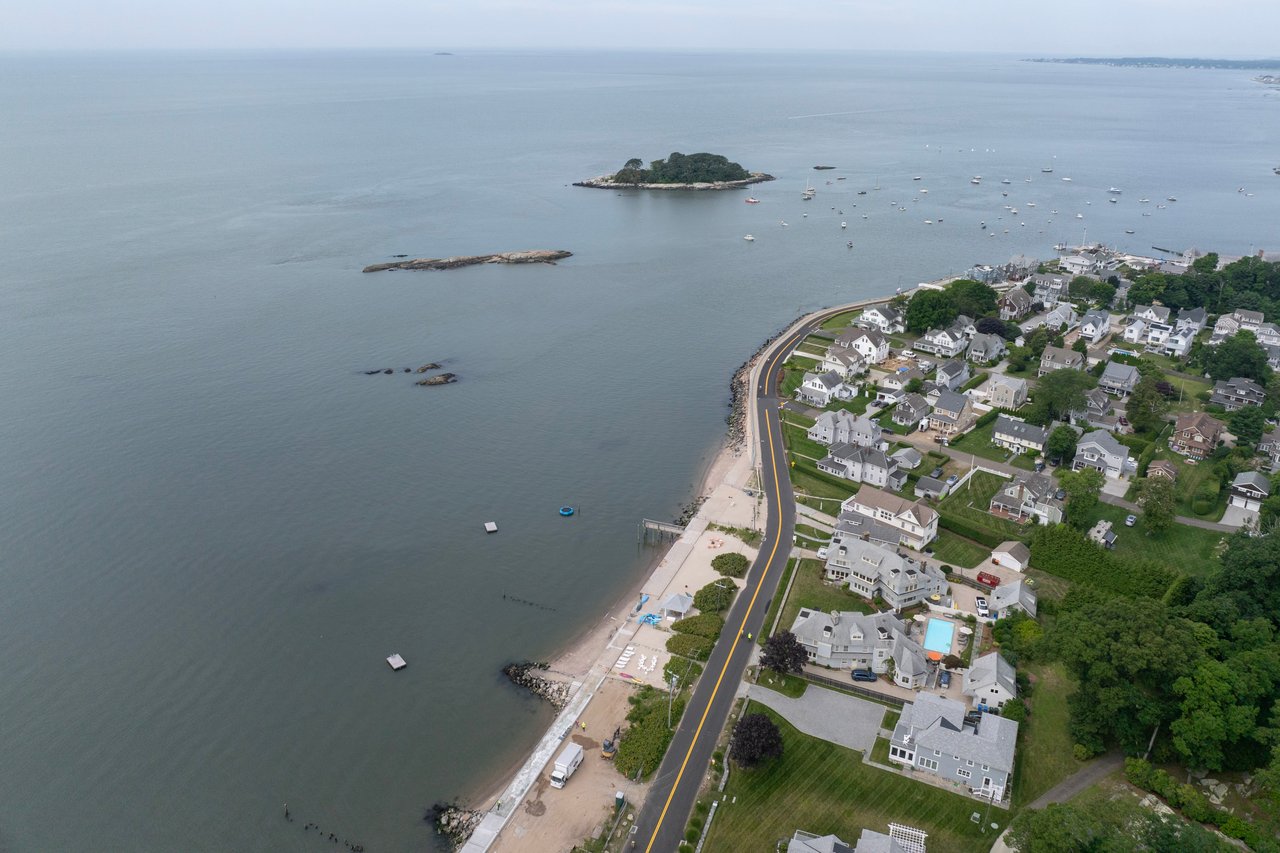
- Waterfront and shoreline cottages appear along coves and the Sound, with a distinct price and lifestyle profile.
- Condominiums, townhomes, and accessory dwelling units exist but make up a smaller share of the market.
- New construction is limited, guided by local planning and conservation priorities managed through town departments on the Town of Madison site.
Typical price ranges
Pricing shifts with market conditions, but common bands during the recent market cycle include:
- Entry-level condos and smaller homes: low-to-mid $200,000s to around $400,000.
- Broad single-family segment: about $400,000 to $900,000 depending on size, condition, and location.
- Premium and waterfront: $1,000,000 and up, especially for direct waterfront, renovated historic homes, or larger lots near beaches and downtown.
Always review current data with a local advisor or MLS sources, since inventory and pricing can move quickly.
Inventory and seasonality
Inventory can be tight in popular Shoreline towns. Summer demand and second-home interest can create seasonal spikes, especially near the beach. If you are targeting shoreline cottages, start early and be ready to act.
Practical considerations for buyers
Schools and programs
Madison Public Schools operate elementary through high school, including Daniel Hand High School. Program offerings and enrollment details are available from Madison Public Schools and the Connecticut State Department of Education. Compare programs and extracurriculars that fit your needs.
Utilities and permitting
Utilities vary by location. Some areas have municipal water or sewer, while many properties use wells and septic systems. Before you buy, confirm water and sewer status, septic permits, and any coastal regulations with the appropriate town offices listed on the Town of Madison website.
Property taxes and insurance
Property taxes are assessed by the town. Check the town assessor’s records for mill rates and recent assessments via the Town of Madison. If you are near the coast, budget for homeowner coverage that may include wind and flood policies as required by your lender or risk profile.
Healthcare and emergency services
You will find local clinics and primary care in and around Madison. Larger hospitals and specialized care are in nearby regional centers such as the New Haven area. Police, fire, and EMS services operate through the town.
Climate and coastal due diligence
This is coastal New England. Winters are cold, summers are warm and humid, and coastal storms can affect shoreline properties. For waterfront or low-lying lots, review FEMA flood maps, ask for elevation certificates, and understand local coastal setback rules through town planning and building departments.
A simple day-in-town preview
Start with a morning walk on the Hammonasset boardwalk, then head to the Green for coffee and local shopping. In the afternoon, explore a conservation trail or visit a marina area to get a feel for the boating scene. Wrap up with dinner downtown and pay attention to parking, traffic, and the overall pace at different hours.
Tips to plan your move
- Tour at different times of day, including a summer weekend if possible.
- Map your route to I-95 and your nearest Shore Line East station.
- Verify well and septic details, plus any coastal restrictions, before you finalize an offer.
- Review recent assessments, typical property tax amounts, and expected insurance costs.
- If you are eyeing a fixer, explore renovation and 203(k) paths early so you can budget realistically.
Ready to explore homes on the Shoreline with a trusted local guide? Work with Jules G. Etes, a top-producing advisor who pairs premium marketing with clear, data-informed guidance for buyers and sellers. From relocation support to renovation and 203(k) advisory through a trusted remodeling partner, you will get a smooth, full-service experience.
FAQs
Is Madison, CT walkable and transit friendly?
- Downtown around the Green is walkable for daily errands, while most residents rely on cars. Shore Line East and Amtrak serve the shoreline corridor through nearby stations for regional connections.
How do people commute from Madison to work?
- Many drive I-95 to New Haven or use Shore Line East to reach New Haven and connect onward, with drive times often under an hour depending on congestion and season.
What are typical home prices in Madison, CT?
- Entry condos and smaller homes often range from the low-to-mid $200,000s to around $400,000, many single-family homes run roughly $400,000 to $900,000, and premium or waterfront properties often exceed $1,000,000.
What should I know about flood risk near the shore?
- Review FEMA flood zones, ask for elevation certificates, discuss wind and flood insurance with your lender and insurer, and confirm local coastal permitting through town departments.
Where can I learn about Madison Public Schools?
- Visit Madison Public Schools for district information and use the Connecticut State Department of Education for additional data.
Do most Madison homes have public water and sewer?
- Some areas do, but many properties use private wells and septic systems. Confirm system type, permits, and any inspection requirements with the town before you buy.