Is the premium for Clinton’s shoreline worth it, or will your budget go further in town? If you are weighing sunsets and salt air against walkability and year‑round ease, you are not alone. In this guide, you will see how typical budgets map to property types in Clinton, what costs to plan for, and the lifestyle and resale factors that often decide the winner for buyers. Let’s dive in.
Price snapshot in Clinton
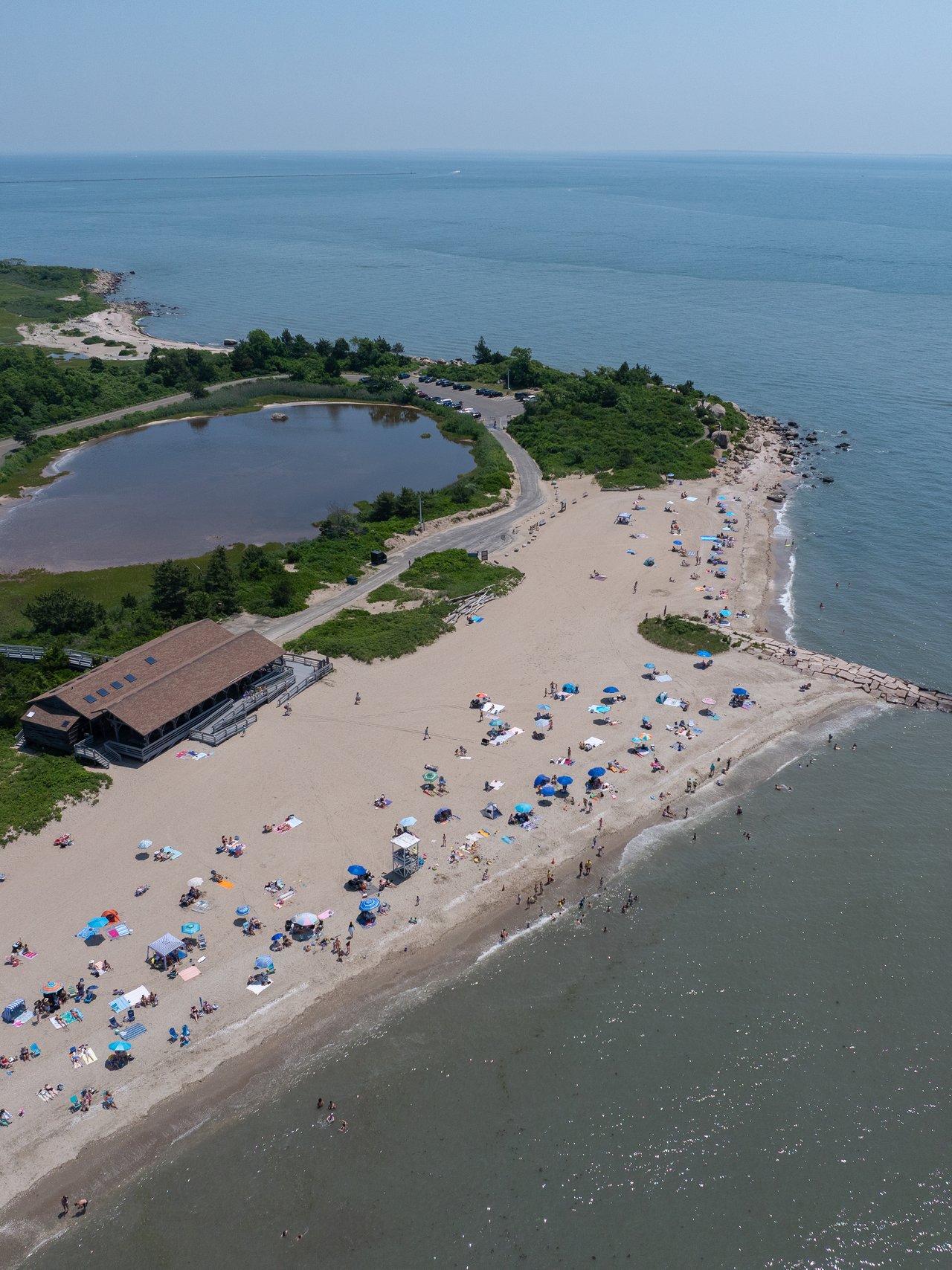
Clinton’s market functions like two related segments. There is a waterfront cohort that includes direct Long Island Sound frontage, harbor areas, and river edges, and there is an in‑town cohort centered around the compact downtown and nearby neighborhoods. Buyer pools vary by segment, which affects pricing, timing, and resale.
Here is how typical ranges often break out, based on recent shoreline patterns in 2022 through 2024. Treat these as directional and confirm with current MLS data before you act.
- Direct waterfront: Often the top tier in town. In recent years, smaller or river‑edge cottages have sometimes started in the mid $500,000s, with larger or extensively renovated Long Island Sound homes frequently reaching $1 million to $2 million or more. Exact pricing depends on frontage, condition, and amenities.
- Waterfront‑adjacent or harbor‑view: Usually an intermediate band. These homes can deliver views or easy access without direct frontage and are typically priced below true waterfront but above standard in‑town.
- In‑town near downtown: Older single‑family homes, Colonials, Capes, and ranches commonly trade from the low‑to‑mid hundreds into the mid‑$600,000s, depending on size, lot, and updates.
- Condos and multi‑family: Often the lower‑cost entry point. Condo pricing varies widely depending on views and amenities.
Across many coastal markets, a direct waterfront premium over comparable non‑waterfront homes often falls in the approximate 20 to 50 percent range. The exact premium in Clinton depends on usable frontage, condition, and recent local demand.
What your budget can buy
Below are typical examples of what buyers often see at common budget tiers in Clinton. Inventory changes quickly, so use this as a starting framework and verify specifics in the MLS and assessor records.
Up to the mid $400,000s
- Waterfront or near‑water: This price range usually targets water‑adjacent condos or townhomes when available, or homes near marinas and beaches without direct frontage. Expect tradeoffs on size or finishes if views are part of the value.
- In‑town: You often find compact historic homes, 2 to 3 bedroom Colonials, Capes, or modest ranches close to downtown services. Many buyers budget for cosmetic updates over time.
Mid $500,000s to $700,000
- Waterfront or near‑water: This band is where smaller or river‑edge cottages may appear, along with harbor‑view homes or properties with quick access to boat launches and beaches. Finishes and systems vary widely at this level.
- In‑town: You may see larger single‑family homes with more functional layouts, extra baths, or meaningful system upgrades. Some will be within a short drive of downtown and local amenities.
$700,000 to $1 million and above
- Waterfront or near‑water: Expect more options with expansive views or direct frontage, especially as you approach or exceed $1 million. Renovated or well‑maintained properties with outdoor living spaces become more common at higher price points.
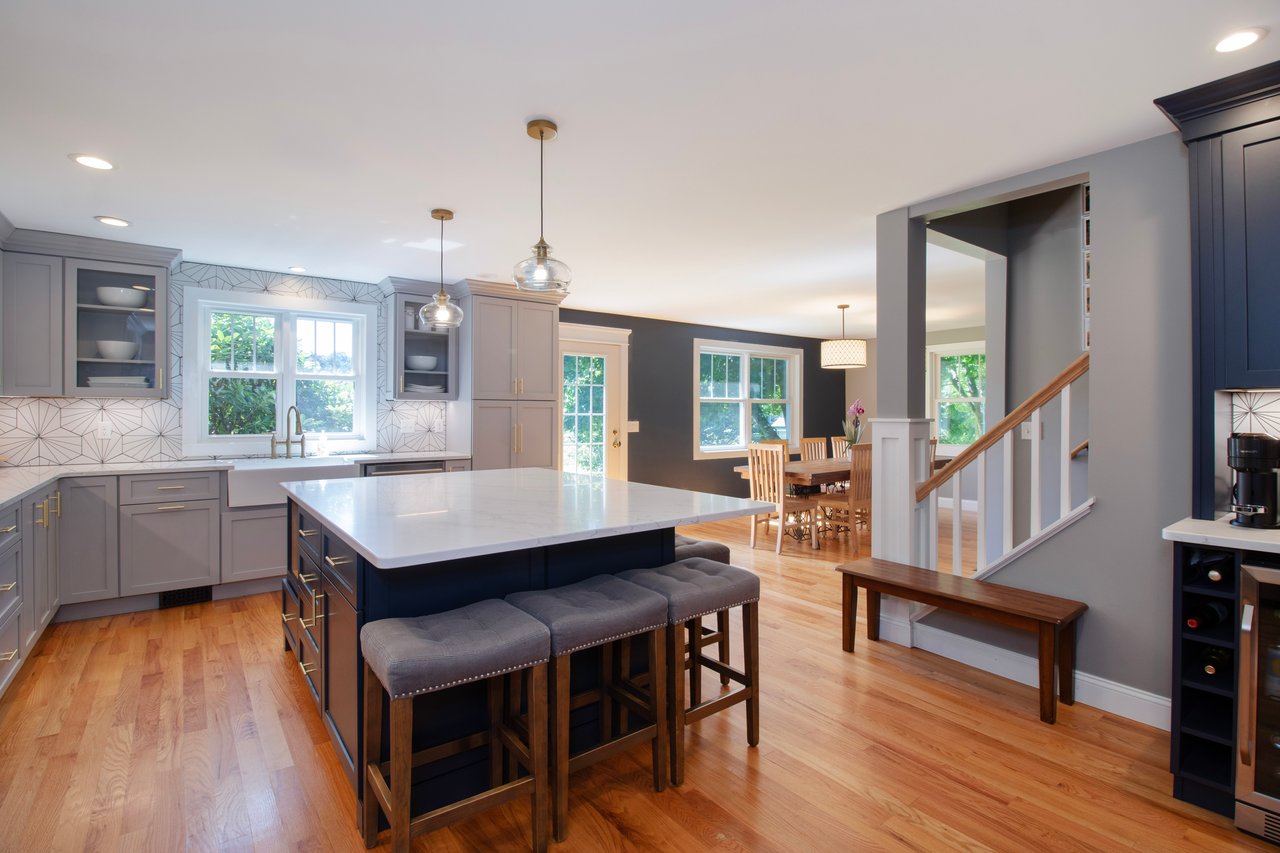
- In‑town: You may find renovated homes with updated kitchens and baths, improved mechanicals, and convenient access to services. Larger lots or unique historic features can show up in this range.
Cost of ownership differences
Your monthly and annual costs will look different on the shore compared with in town. Build these into your plan before you shop.
- Property taxes and assessments: Waterfront parcels often carry higher assessments. Confirm the current mill rate and your prospective tax bill with the assessor’s office.
- Sewer vs septic: Some downtown areas may have municipal sewer. Many waterfront or edge parcels rely on private septic or wells, which affects maintenance and renovation feasibility.
- Insurance: Coastal homes commonly require specialized coverage and endorsements. Plan for different insurance profiles for waterfront and adjust your effective monthly budget accordingly.
- HOA or condo fees: Condos and planned communities shift exterior maintenance into a monthly fee. That simplifies upkeep but raises your recurring cost.
- Waterfront rights and permits: Docks, moorings, seawalls, and shoreline structures typically require town permits and state approvals. Owning a waterfront lot does not automatically grant unrestricted water use.
- Exterior maintenance: Salt air can increase wear on siding, decks, and hardware along the shore. In‑town homes may need less exterior upkeep but could require interior modernization depending on age.
Lifestyle tradeoffs to consider
Choosing between waterfront and in‑town often comes down to how you want to live day to day.
- Views and access vs convenience: Waterfront homes deliver direct water views and easy access to boating, swimming, and fishing. In‑town homes trade some of that for walkability to shops, restaurants, and municipal services.
- Privacy and noise: Waterfront locations can feel quiet and private, though summer boat traffic or activity near public beaches may bring seasonal noise. In‑town neighborhoods are busier but keep you close to community events and services.
- Seasonality: Waterfront activity often peaks in spring and summer, and buyer traffic tends to follow that pattern. In‑town demand is more consistent throughout the year.
- Upkeep and lifestyle chores: Waterfront owners plan for deck, dock, and shoreline care and often winterize outdoor equipment. In town, you may focus more on interior updates in older homes.
- Access and parking: Quiet waterfront lanes and compact in‑town streets feel different during winter weather or summer weekends. Consider where guests will park and how easy it will be to reach daily services.
Resale and value drivers
When you think about future resale, a few factors tend to have outsized impact in both segments.
- Location specifics: Direct frontage, broad water views, proximity to downtown, and lot orientation all influence value.
- Functional utility: Bedroom and bath count, modern systems, and reliable parking help homes sell faster and for more.
- Condition and recent work: Updated kitchens and baths, weatherized exteriors, and maintained shoreline features improve marketability.
- Scarcity and comps: True waterfront is limited, which helps sustain premiums. In‑town neighborhoods with steady demand and walkable access also hold value well.
Speed and price on resale are shaped by buyer pool size and seasonality. Waterfront draws a smaller but motivated audience and often performs best when listed in spring or early summer. In‑town homes appeal to a wider pool of year‑round buyers and are less sensitive to listing month.
Clarity helps. Sellers who maintain permits, surveys, and maintenance records for docks, bulkheads, additions, and system upgrades typically remove friction and earn stronger offers.
A simple decision checklist
Use this quick list to align your budget with your goals.
- Are you buying for primary use, a second home, or future resale? Waterfront maximizes lifestyle value but may appeal to a narrower buyer set later.
- Do you want direct, usable frontage or is a view and easy access enough? Usable frontage with a dock or beach commonly commands a larger premium.
- Can you budget for coastal insurance and exterior maintenance? Adjust your monthly plan to include realistic operating costs.
- Is walkability to services a priority, or are you comfortable with a short drive for errands?
- How do you feel about seasonality in showings and neighborhood activity near beaches and marinas?
- Do you plan to renovate? Factor in septic or sewer status, local permitting, and any shoreline rules that affect additions or new structures.
Move with confidence on the Clinton Shoreline
Whether you are leaning toward a harbor‑view cottage or a walkable in‑town Colonial, the right guidance helps you buy with clarity. A data‑driven pricing plan, premium marketing for future resale, and practical advice on renovations and permitting will protect your investment.
If you want a clear picture of what your budget buys today in Clinton, connect with Jules G. Etes for local, Shoreline‑focused advice and a plan tailored to your goals.
FAQs
How much more does waterfront cost in Clinton, CT?
- Across many coastal markets, direct waterfront often carries an approximate 20 to 50 percent premium over comparable non‑waterfront homes, which you should refine with current Clinton comps.
Are waterfront homes harder to sell than in‑town homes in Clinton?
- Waterfront homes can achieve higher prices but attract a smaller buyer pool and perform best in spring and summer, while in‑town homes draw broader year‑round demand.
Does a water view have the same value as direct frontage in Clinton?
- No, direct and usable frontage with features like a dock or beach usually commands a larger premium than a view alone.
What ownership costs are unique to Clinton waterfront homes?
- Plan for specialized insurance, higher exterior maintenance, and possible upkeep for docks or seawalls, plus permitting costs for shoreline structures.
Do I need permits for a new dock or seawall in Clinton?
- Yes, docks, pilings, and shoreline work typically require town approvals and state authorization, so confirm requirements with local departments before planning.
How do sewer vs septic systems affect remodeling in Clinton?
- Some downtown areas are on municipal sewer, but many waterfront or edge parcels use private septic, which can limit expansion and should be evaluated early.