Craving more space, a smoother commute, and a neighborhood that truly fits how your family lives? If you’re ready to trade up in Guilford, you’re not alone. Many move-up buyers look for extra bedrooms, a bigger kitchen and yard, strong public schools, and convenient access to town and the Shore Line East. In this guide, you’ll compare the main Guilford neighborhood types by home style, price band, commute, and lifestyle so you can narrow your search with confidence. Let’s dive in.
How to choose your next neighborhood
Before you fall in love with a house, get clear on your priorities. Most move-up families focus on three pillars: space, schools, and access to town and transit.
- Space: number of bedrooms, flexible bonus rooms, garage, and yard size.
- Schools: elementary assignment, distance to schools, and after-school options.
- Access: walkability to the Green, proximity to parks and beaches, driving time to I-95 and the train.
Use these pillars to weigh the tradeoffs among Guilford’s four main areas: Downtown/Green, Shoreline/Coastal, Suburban/Inland family neighborhoods, and Rural/Country pockets.
Downtown and the Green
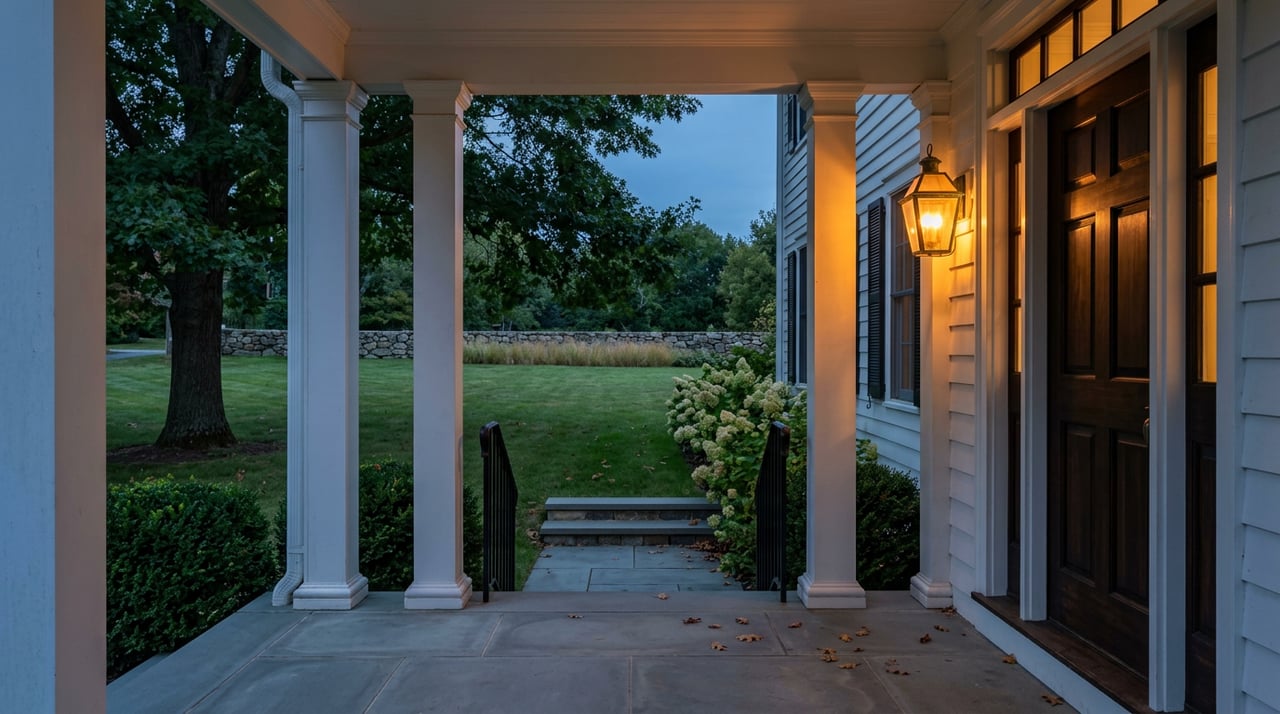
If you want character and walkability, the historic village around the Guilford Green delivers. You get sidewalks, shops, restaurants, the library, and community events within minutes of your front door.
- Home styles: Colonial-era and 19th-century homes with period details, plus select renovated in-town properties and limited condo options.
- Price band: often mid $600s to around $1.2M or more for larger or fully renovated homes, based on current local MLS patterns.
- Lots and yards: typically smaller than coastal or inland subdivisions, with architecturally significant homes on compact parcels.
- Commute: the Shore Line East station in Guilford offers rail service to New Haven, commonly about 20 to 30 minutes depending on schedule. Driving to New Haven is often 20 to 35 minutes depending on traffic.
Who it fits
- You value walkability and being near town events and services.
- You prefer architectural charm over acreage.
- You want convenient access to the train without a long drive to the station.
Consider before you buy
- Historic district rules may apply to exterior changes near the Green, which can affect additions and renovations.
- Older homes can have unique maintenance needs. Plan for a thorough inspection and realistic ongoing upkeep.
Shoreline and coastal neighborhoods
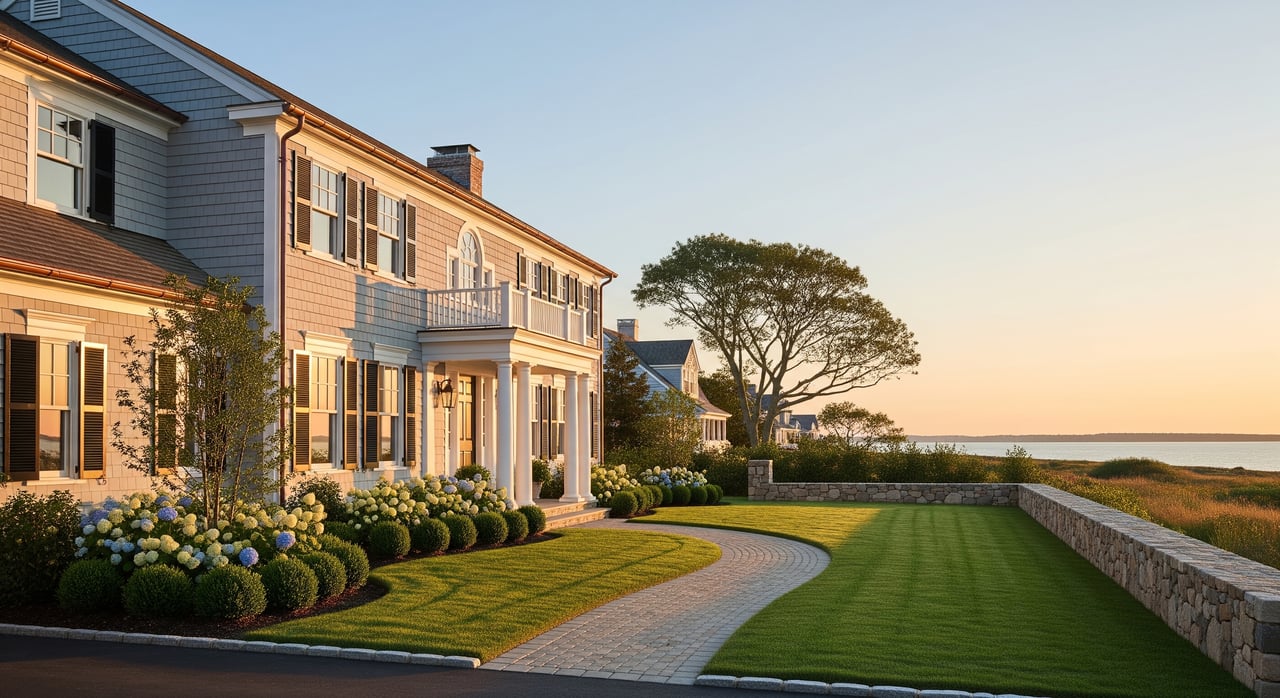
Guilford’s waterfront areas, including prominent pockets like Sachem’s Head and sections around Leetes Island and the West River, offer a classic Connecticut Shoreline lifestyle. Think boating, beaches, and sunsets.
- Home styles: larger custom homes, renovated coastal Colonials, contemporary seaside designs, and expanded mid-century cottages.
- Price band: commonly $800k to $2M+; direct waterfront carries higher premiums.
- Lots and yards: a mix of larger parcels and association areas, sometimes with beach or pier access.
- Commute: a 5 to 15 minute drive to the Green or the Guilford train station is typical depending on the exact location.
Lifestyle and tradeoffs
- Strong recreational appeal with boating and beach access.
- Elevated insurance and permitting considerations are common in coastal zones.
Coastal due diligence checklist
- Flood risk: many shorefront parcels lie within FEMA flood zones. Review maps, request any historical flood claim information, and secure insurance quotes early.
- Site constraints: coastal setbacks, wetlands, and conservation rules can limit expansion. Consult town planning and inland wetlands authorities for parcel-specific guidance.
- Shoreline structures: evaluate bulkheads, seawalls, and erosion conditions during inspections.
Suburban and inland family neighborhoods
If your priority is space, functionality, and a classic cul-de-sac feel, Guilford’s inland neighborhoods are a strong match. These areas sit beyond the immediate coast and village center and are popular with growing households.
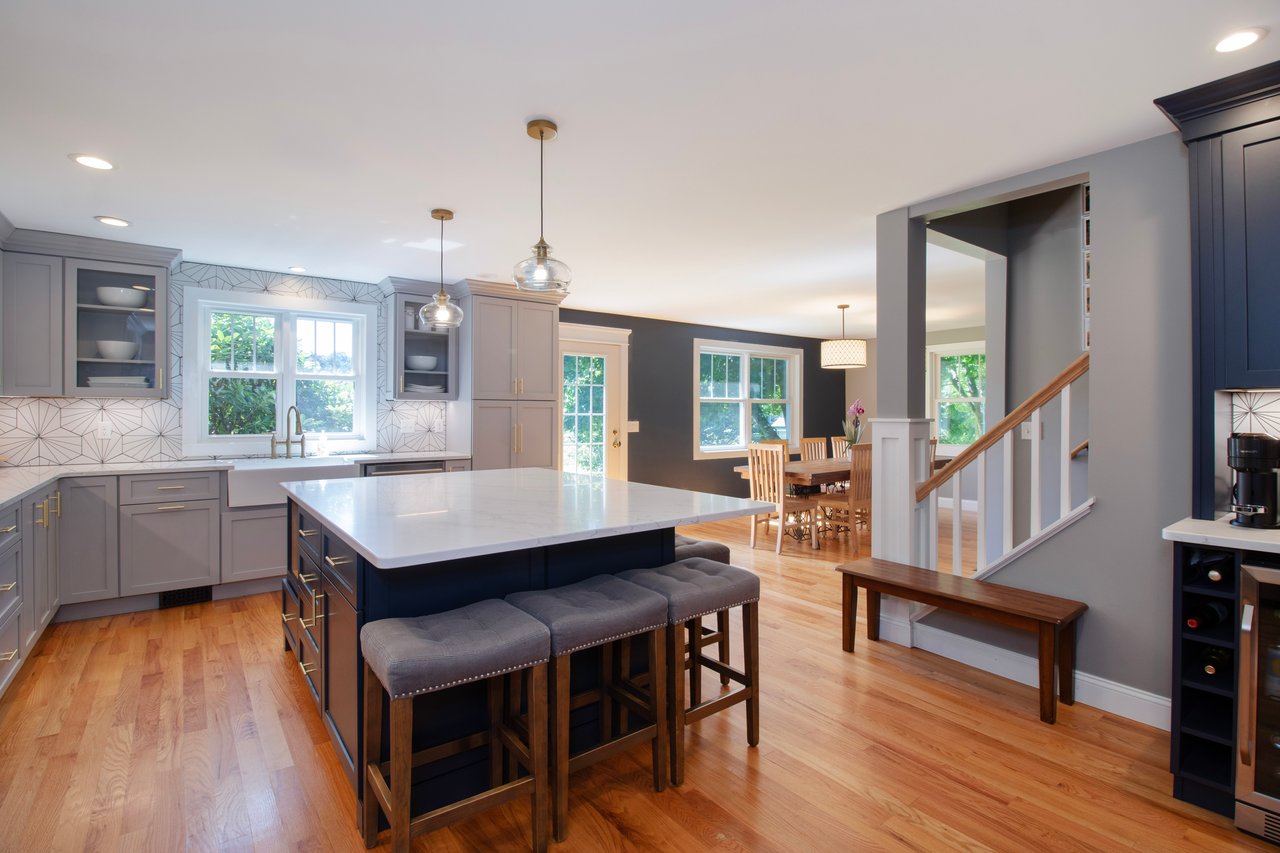
- Home styles: 3 to 5 bedroom Colonials and contemporary plans with two-car garages, open kitchens, finished basements, and practical storage. Construction ranges from the 1960s to 2000s plus newer infill.
- Price band: often $550k to $900k depending on size, lot, and finishes.
- Lots and yards: typically larger than downtown, with room for play sets, gardens, or potential additions.
- Commute: usually a 10 to 20 minute drive to the Green and the train, with convenient access to I-95 from many pockets.
Why move-up buyers choose it
- Bedroom count and flexible space for work, guests, or hobbies.
- Yard size and garage options that support day-to-day family life.
- A broad pool of listings with 3 to 5 bedrooms compared to other areas.
What to verify
- Utilities and systems: many properties have private septic and wells. Confirm septic capacity for any planned bedroom additions, and schedule well water quality and flow testing.
- Internet and services: confirm fiber or cable availability if remote work is a priority.
Rural edge and country pockets
On the town’s periphery you’ll find more acreage, wooded settings, and extra privacy. This is a great fit if you want elbow room and a quieter pace.
- Home styles: farmhouses, larger custom homes, and contemporary builds on bigger plots.
- Price band: varies widely from about $600k to $1.5M+ depending on acreage and quality.
- Commute: longer drives are typical, often 15 to 30+ minutes to downtown and the train.
Pros and considerations
- Pros: space for gardens, outbuildings, or a pool; a peaceful setting.
- Consider: more driving for daily errands and schools, plus higher maintenance for larger properties.
Quick commute snapshot
A practical commute plan keeps your week running smoothly. Here is what most buyers evaluate:
- Shore Line East: trains from Guilford to New Haven commonly run about 20 to 30 minutes, depending on the schedule. Confirm parking availability and current train times directly with the operator before you rely on a specific schedule.
- Driving: typical off-peak drives are about 20 to 35 minutes to New Haven, 30 to 40 minutes to New London, and 50 to 75 minutes to Hartford. Check a real-time mapping app during your target commute hours to confirm.
Schools and family resources
Guilford Public Schools are widely regarded as a strength of the town and a major driver for move-up demand. For the most accurate and neutral view, review current report cards and profiles from the Connecticut State Department of Education and consult the Board of Education for up-to-date elementary attendance boundaries.
Beyond school-day hours, many families consider proximity to youth sports, town recreation programs, the library, and parks. If you have younger children, verify daycare and preschool availability early, since waitlists can vary.
School boundary checklist
- Confirm the assigned elementary school for the exact address you are considering.
- Review current performance data from the state and the district.
- Time the school commute during drop-off and pick-up windows.
- Ask about after-school options and transportation for activities.
Market and budget realities for move-up buyers
Across Connecticut Shoreline towns, the early to mid 2020s brought tight inventory and rising prices. By 2023 and 2024, some moderation appeared, but affordability and limited supply of move-up sized homes remained common themes. For the most accurate picture, pull the latest 12-month medians for sold price, days on market, and active inventory from the local MLS.
Property taxes and insurance can shift your budget, especially as you step up in size. Confirm the current mill rate with the Town Assessor and build in room for higher homeowners insurance and energy costs. Coastal buyers should get flood insurance quotes at the start of the process.
Renovation potential and permitting
If you plan to add a bedroom, expand the kitchen, or finish a lower level, check the following early:
- Septic capacity and upgrade path for added bedrooms.
- Historic district guidelines near the Green for exterior changes.
- Wetlands or coastal setbacks that could affect additions.
- Availability of municipal water, or plan for well improvements.
If you want help scoping improvements, renovation advisory and 203(k) familiarity are available through Jules’s trusted local remodeling partner, which can make value-creation decisions clearer and faster.
A simple neighborhood comparison
Here is a fast way to frame your search, using the four core areas:
Downtown/Green:
- What you get: walkability, historic homes, community events.
- Typical price band: mid $600s to around $1.2M+ for renovated or larger homes.
- Best for: buyers who prefer charm and proximity to the train over yard size.
Shoreline/Coastal:
- What you get: beach and boating lifestyle, higher-end homes.
- Typical price band: $800k to $2M+, with premiums for direct water.
- Best for: buyers who value recreation and views, and who are ready to plan for flood and insurance considerations.
Suburban/Inland:
- What you get: 3 to 5 bedroom homes, cul-de-sacs, larger yards.
- Typical price band: $550k to $900k depending on size and finishes.
- Best for: families needing flexible space and convenient highway and train access.
Rural/Country:
- What you get: acreage, privacy, and a quieter setting.
- Typical price band: about $600k to $1.5M+ based on land and build quality.
- Best for: buyers who want space and are comfortable with longer drives.
Due diligence checklist for move-up buyers
Use this list to compare properties apples to apples:
- Space needs: bedroom count, a dedicated office, and a true bonus room.
- Yard and outdoor: size, sun exposure, privacy, and pool or addition potential.
- Schools: confirm boundaries, transportation, and after-school offerings.
- Commute: time a round-trip during your typical rush-hour windows.
- Flood and environment: FEMA zone, any flood history, and shoreline structure condition if applicable.
- Utilities and infrastructure: septic capacity, well quality and flow, municipal water or sewer availability, and internet options.
- Renovation and zoning: setbacks, lot coverage, wetlands, and historic district rules.
- Cost of ownership: property taxes, homeowners insurance, flood insurance if needed, and energy costs for a larger home.
- Resale: neighborhood demand, school system reputation, proximity to town and transit.
How Jules helps move-up buyers
Your next home is a bigger investment and a more complex decision. You deserve an advisor who blends market data with on-the-ground judgment. As a top-producing Guilford specialist, Jules pairs local insight with a full-service approach that includes professional valuation guidance, renovation advisory with a trusted partner, and hands-on transaction management. You will understand tradeoffs by neighborhood, see opportunities others miss, and act with confidence when the right home hits the market.
Ready to match your wish list with the right neighborhood and home? Connect with Jules G. Etes for a personalized plan and on-market opportunities.
FAQs
What should a move-up family prioritize in Guilford?
- Start with bedroom count and flexible space, then weigh school boundaries and commute to the train or I-95, followed by yard size, renovation potential, and long-term costs.
How long is the train ride from Guilford to New Haven?
- Typical Shore Line East travel times are about 20 to 30 minutes depending on the schedule; confirm timing and parking at the station before you commute.
Are coastal homes in Guilford too risky because of flooding?
- Coastal homes offer strong lifestyle appeal and can hold value, but many fall within FEMA flood zones; evaluate flood maps, insurance quotes, and any shoreline structures early in due diligence.
Do most Guilford homes have septic systems or town sewer?
- Outside the core downtown areas, many properties use private septic and wells; confirm system type, septic capacity, and well quality for each specific home.
How do school boundaries work in Guilford?
- Elementary assignments follow current attendance boundaries set by the district; verify the assigned school for the exact address and review state and district performance profiles.
Which areas have more 3 to 5 bedroom listings?
- Suburban and inland family neighborhoods typically produce more 3 to 5 bedroom inventory, with some coastal pockets offering larger homes as well; check current MLS data for what is active and pending.
What price range should I expect for move-up homes?
- As a general guide, inland and suburban homes often range from about $550k to $900k, downtown from the mid $600s to around $1.2M+, and coastal from about $800k to $2M+; verify current medians and sold comps with up-to-date MLS data.