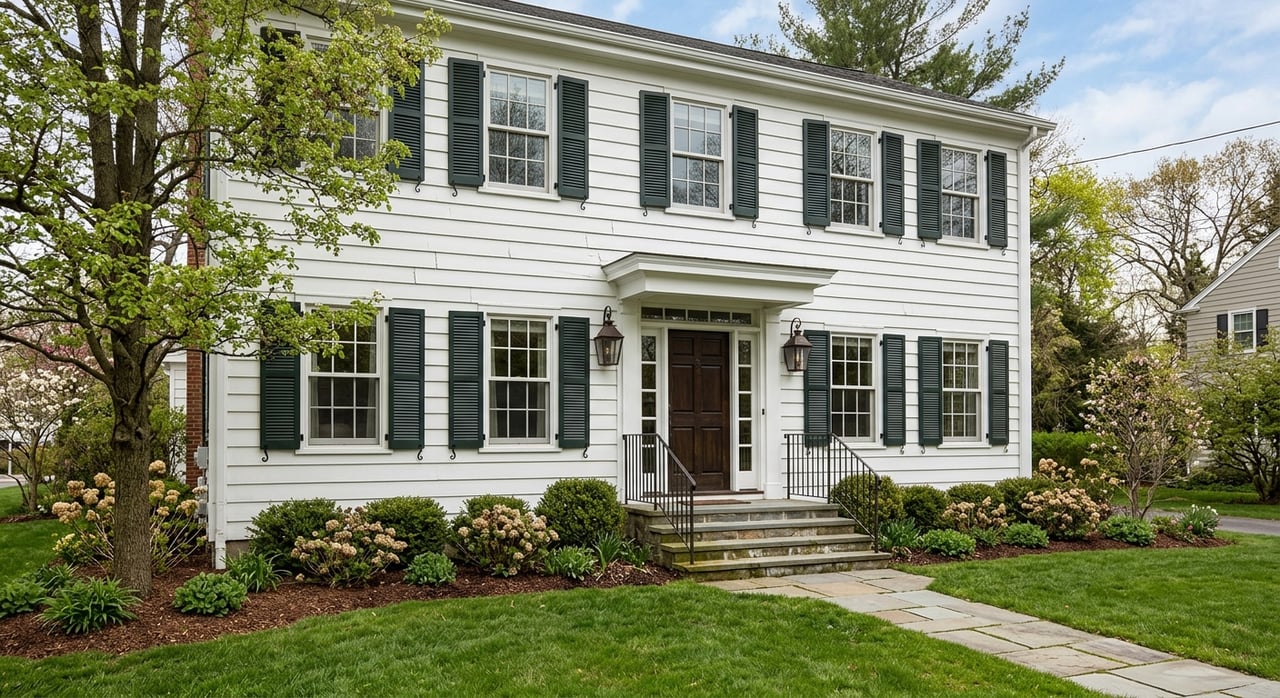
Wondering if that dated Branford house could actually be your smartest move? If you want a home in a great shoreline location but keep running into properties that need work, you are not alone. The good news is that FHA 203(k) financing can help you buy and renovate with one loan, and with the right planning, a fixer can become a realistic path instead of a stressful guessing game. Let’s dive in.
Why Branford fits fixer buyers
Branford has many of the qualities that make renovation purchases worth a closer look. According to the U.S. Census QuickFacts for Branford, the town has a 69.5% owner-occupied housing rate, a median owner-occupied home value of $401,200, and strong residential stability, with 90.3% of residents living in the same home one year earlier.
That combination matters if you are considering a fixer. It suggests Branford is not just a pass-through market. It is a place where many owners stay put, invest in their homes, and build long-term value.
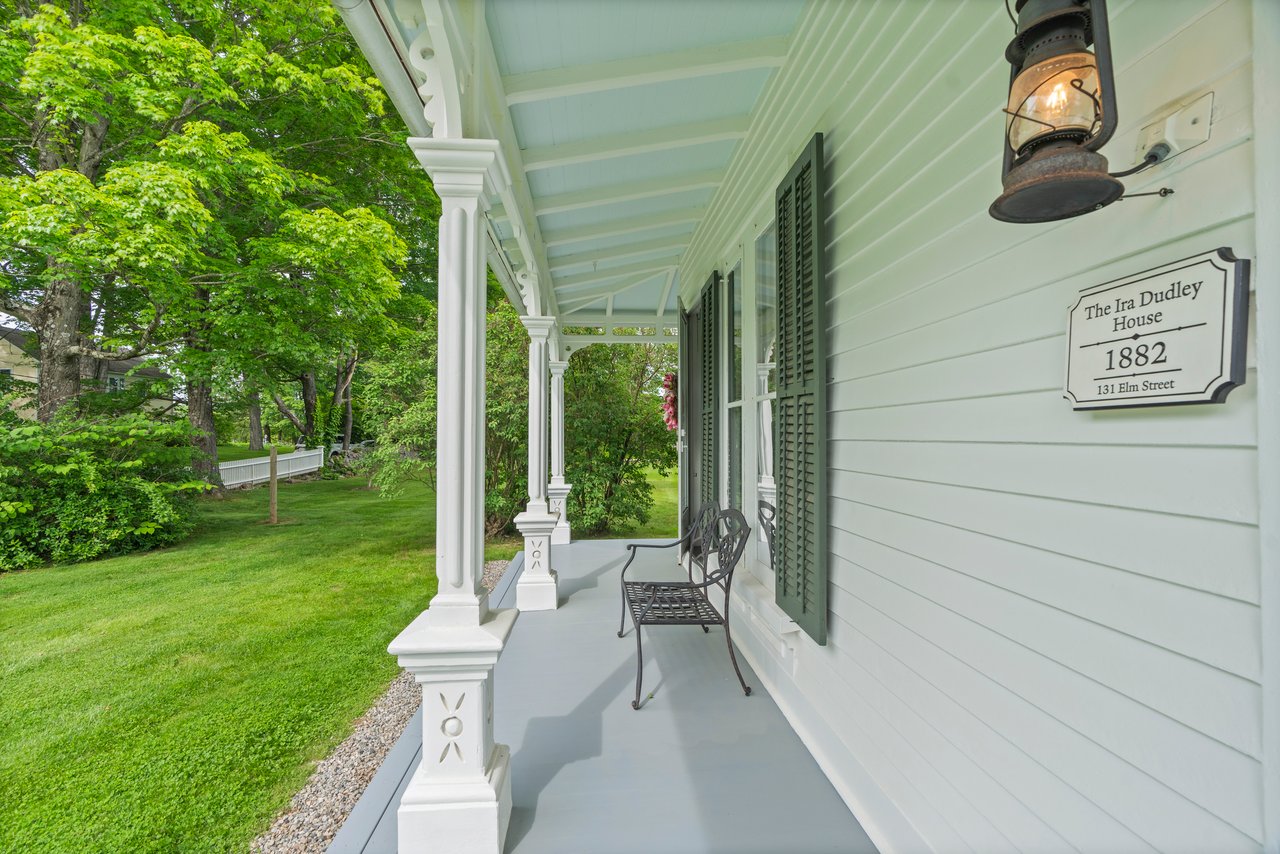
Branford also has housing stock that naturally supports renovation. The town’s historic districts include colonial-era homes and Victorian architecture, and Branford’s planning documents note that much of its single-family housing was built between 1940 and 1960 and may need rehabilitation, reconstruction, or expansion.
What FHA 203(k) financing does
An FHA 203(k) loan combines the home purchase and the renovation costs into one mortgage. According to HUD’s 203(k) program overview, part of the loan goes toward buying the home or paying off an existing mortgage, while the rehabilitation funds are held in escrow and released as the work is completed.
That structure can be helpful if you find a property with good bones but outdated systems or deferred maintenance. Instead of trying to finance the purchase now and figure out the repair money later, you are working within a single loan framework from the start.
HUD says the program applies to homes that are at least one year old. Eligible property types can include single-family homes, two- to four-family homes, townhomes, certain condo units, some manufactured homes titled as real estate, HUD-owned homes, and primarily residential mixed-use properties.
Standard vs Limited 203(k)
One of the first decisions is choosing the right version of the program. HUD currently recognizes Standard 203(k) and Limited 203(k), and the best fit depends on the kind of work the property needs.
When Limited 203(k) may fit
The HUD program updates say Limited 203(k) is designed for less expensive, nonstructural work. HUD’s 2024 update increased the Limited 203(k) cap to $75,000 and extended the rehab period to 9 months.
This version may make sense if the home mainly needs functional improvements rather than major structural change. Think of projects that modernize the property without changing its core structure.
When Standard 203(k) may fit
Standard 203(k) is for larger or more complex rehab projects. HUD says it has a minimum repair threshold of $5,000, allows major rehabilitation work, and requires an FHA-approved 203(k) consultant.
If a Branford property needs foundation repair, structural alterations, or broad system replacement, Standard is usually the more appropriate path. HUD’s current timeline allows up to 12 months for the rehab period, which can provide useful flexibility on older homes.
What work may be eligible
A 203(k) loan is not just for cosmetic updates. HUD lists a wide range of eligible improvements that can make an older home safer, more functional, and better suited to how you live.
Common eligible improvements
Based on HUD’s eligible improvement guidance, covered work may include:
- Health and safety improvements
- Foundation work
- Structural alterations
- Garage rehabilitation
- Plumbing, heating, air-conditioning, and electrical replacement
- Roofing, siding, and gutters
- Walkways, decks, and porches
- Accessibility improvements
- Some appliance installations
- Energy-efficient upgrades
- Certain solar and wind technology improvements
For Branford buyers, that can be especially useful in homes with aging systems or long-deferred repairs. It also means you can focus on houses with solid location appeal and a workable repair scope, rather than expecting a perfectly updated home from day one.
How to spot a smart Branford fixer
Not every fixer is a good 203(k) candidate. In Branford, the strongest opportunities are often homes where the location is appealing and the work is understandable.
That usually means deferred maintenance, outdated systems, or code-related repairs rather than a property that needs total reinvention. This aligns well with the types of repairs HUD explicitly allows under the program, especially when the goal is structural integrity, system upgrades, or practical modernization.
Look for fixable fundamentals
A smart candidate often has strengths you cannot easily create later. That could mean a desirable street, useful layout, solid lot, or architectural character that is worth preserving.
If the repair list is clear and the home’s underlying value proposition makes sense, a fixer can become much easier to evaluate. If the house needs a full rebuild mindset, it may not be the right fit for a 203(k)-driven plan.
Be realistic about older homes
Because Branford includes older and historically significant homes, some projects may take longer than a simple cosmetic remodel. Exterior work, structural repairs, and utility upgrades may require more coordination, particularly when you are dealing with older materials or detailed permitting steps.
That does not make the opportunity bad. It just means the smartest buyers go in with a realistic timeline, a defined scope, and room for the unexpected.
Why permits matter in Branford
Local permitting should be part of your planning from the beginning. The Branford Building Department says permits are required for construction, enlargement, alteration, repair, demolition, occupancy changes, and most regulated electrical, gas, mechanical, and plumbing work.
The town also notes that some finish work is permit-exempt, inspections are generally scheduled with 24 to 48 hours of lead time, and a certificate of occupancy is required before a building may be occupied. For a 203(k) buyer, that means your contractor schedule, lender draw schedule, and local inspections all need to line up.
This is one reason smart planning matters so much. Even when financing is in place, the project can still slow down if permits, inspections, or contractor availability are not coordinated carefully.
Avoid common 203(k) pitfalls
The 203(k) process can absolutely work, but it is not casual paperwork. The more prepared you are before closing, the smoother the renovation phase is likely to feel.
Understand the documentation
HUD explains that the sales contract must include provisions for 203(k) financing and improvements. For Standard 203(k), the process includes a consultant who inspects the property and prepares the work write-up and cost estimate. For Limited 203(k), the borrower submits a work plan and contractor proposal, and consultant oversight is optional, according to HUD borrower guidance.
That means the details matter early. Contractor estimates, scope clarity, and lender requirements are not things to sort out casually after you are already under pressure.
Build in contingency
Contingency is one of the smartest parts of renovation planning. HUD’s 203(k) calculator guidance says Standard 203(k) requires contingency reserves for unforeseen costs, while Limited 203(k) treats contingency as optional.
In older Branford homes, hidden issues can appear once walls, roofs, or systems are opened up. A reserve helps protect your budget and your timeline when the project uncovers something you could not fully see at the start.
Match the schedule to the draw process
Because rehab funds are held in escrow and released as work is completed, your contractor timeline needs to work with lender draws and local inspections. Delays in change orders, inspection timing, or contractor start dates can affect the pace of the whole project.
HUD’s 2024 updates provide more time than the old six-month framework, which is helpful. Still, the buyers who have the best experience are usually the ones who approach the renovation like a managed project, not a loose wish list.
Smart planning before you buy
If you are thinking about a Branford fixer, it helps to evaluate the opportunity in stages. A little discipline up front can save you major frustration later.
A simple planning checklist
Before moving forward, consider these questions:
- Is the home at least one year old and eligible for 203(k)?
- Is the work mainly nonstructural, or does it involve structural or major system repairs?
- Does the renovation scope feel clear and measurable?
- Will the project likely require Branford permits and inspections?
- Do you have a contractor who understands proposal detail and timeline coordination?
- Have you planned for a contingency reserve, especially on an older home?
- Does the house offer location or layout value that makes the renovation worth it?
This kind of review helps you separate a smart value-add purchase from a project that may become too open-ended.
Why guidance helps on fixer purchases
Buying a fixer is rarely just about finding a cheaper home. It is about identifying the right property, matching it to the right financing path, and making sure the renovation plan is realistic for Branford’s housing stock and permitting environment.
That is where local guidance can make a real difference. When you have support evaluating renovation potential, understanding 203(k) fit, and thinking through value creation, you can move with more clarity and less guesswork.
If you are considering a fixer in Branford or another shoreline town, Jules G. Etes can help you assess renovation potential, navigate the buying process, and connect your home search to a smart, practical plan.
FAQs
What does FHA 203(k) financing cover for a Branford fixer?
- FHA 203(k) combines the home purchase and eligible renovation costs into one loan, with rehab funds held in escrow and released as work is completed.
What is the difference between Limited and Standard 203(k) for Branford buyers?
- Limited 203(k) is generally for nonstructural work and currently has a $75,000 cap, while Standard 203(k) is designed for larger or more complex rehab and requires an FHA-approved consultant.
What types of Branford homes may work for 203(k) financing?
- Eligible properties may include single-family homes, two- to four-family homes, townhomes, certain condo units, some manufactured homes titled as real estate, HUD-owned homes, and primarily residential mixed-use properties, subject to HUD rules.
What permits are commonly required for Branford renovation projects?
- Branford says permits are required for construction, enlargement, alteration, repair, demolition, occupancy changes, and most regulated electrical, gas, mechanical, and plumbing work.
Why is contingency important for older Branford fixer homes?
- Contingency helps cover unforeseen costs that may appear after opening walls, roofs, or systems, which is especially important in older homes.
How can you tell if a Branford fixer is a smart buy?
- A strong candidate usually has a good location, clear repair needs, fixable fundamentals, and a renovation scope that matches the right 203(k) program.