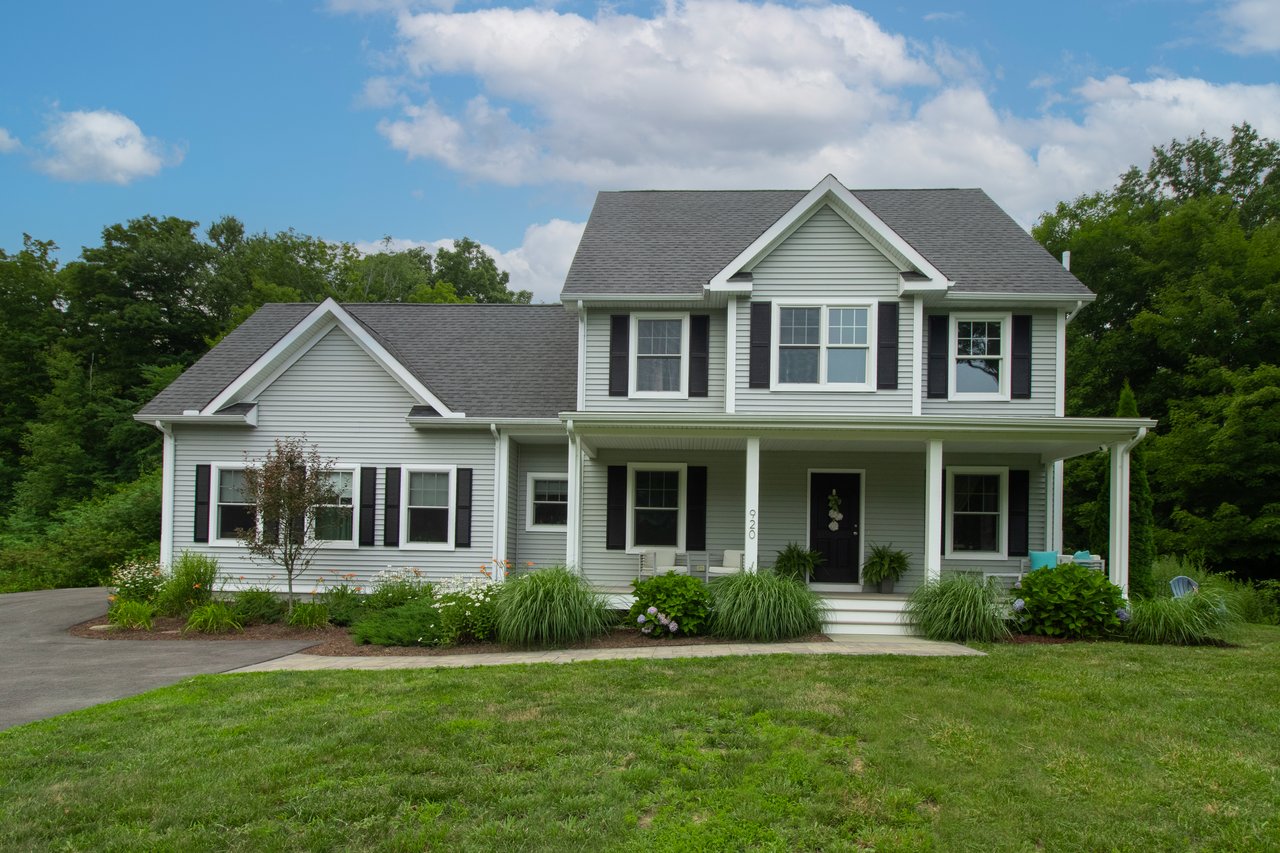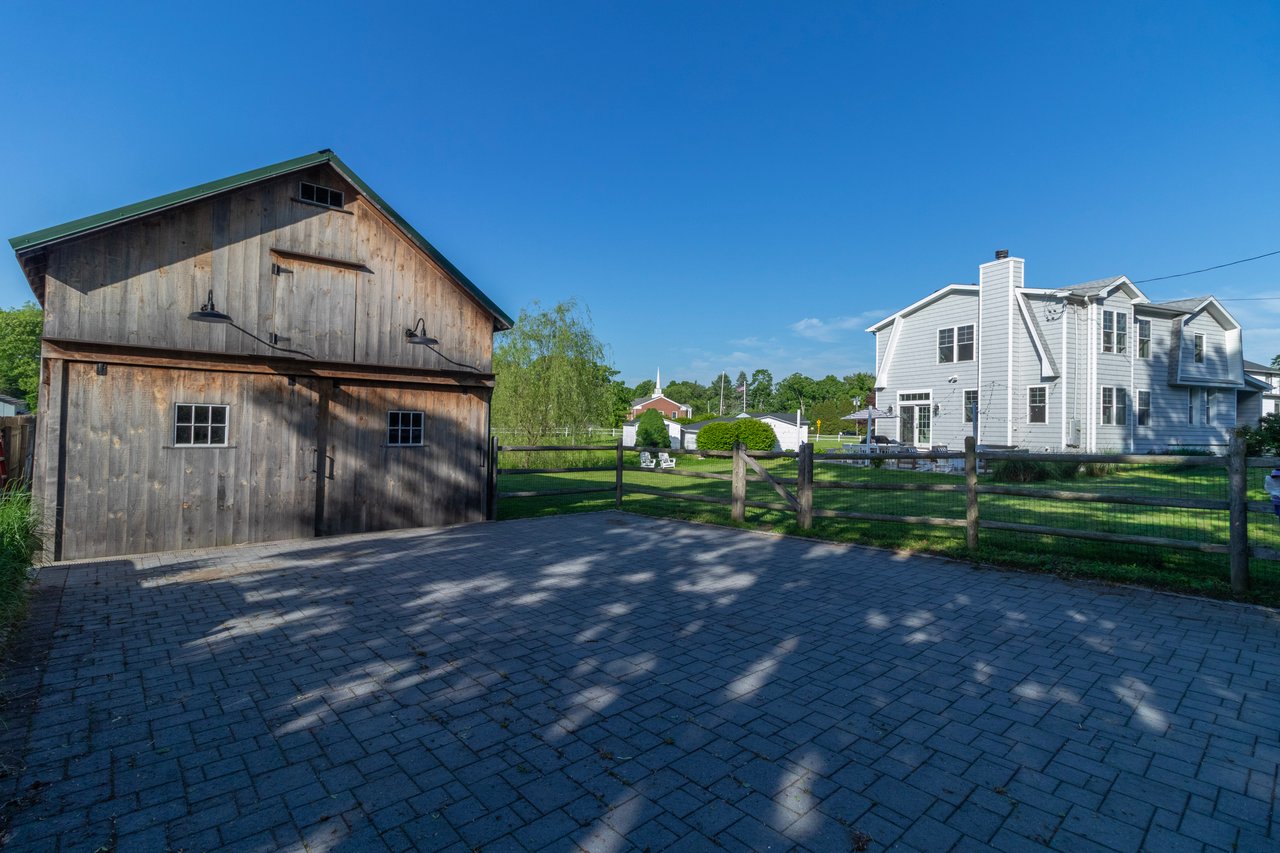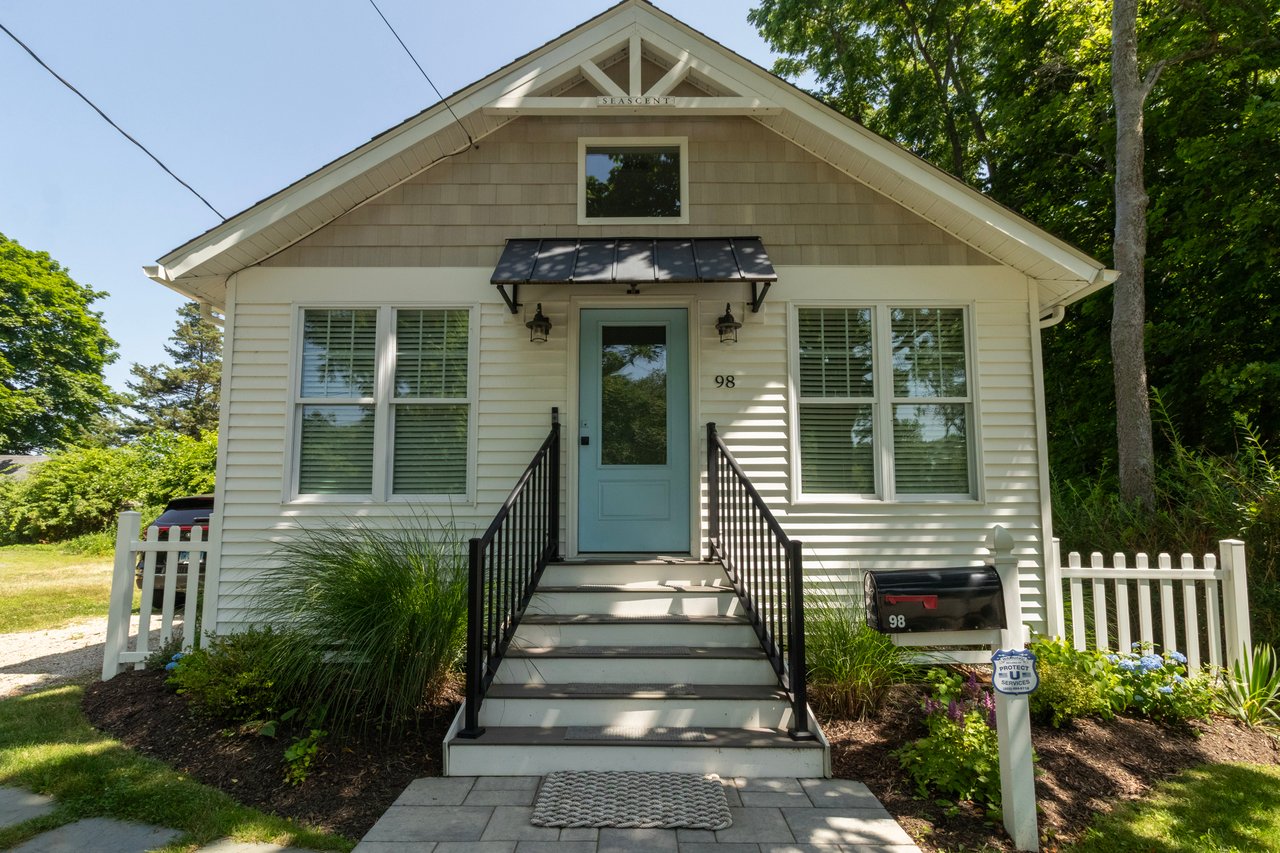
Eyeing a Guilford fixer and wishing you could roll the purchase and renovation into one smart plan? You are not alone. Many Shoreline buyers want the character and location, but they need a practical way to fund repairs. This guide shows you how FHA 203(k) loans work in Guilford, what to expect with local permits and inspections, and how to avoid common setbacks. You will get a clear timeline, a simple checklist, and expert tips tailored to our coastal market. Let’s dive in.
203(k) basics: how the loan works
A 203(k) loan lets you finance a home purchase plus eligible repairs in a single FHA mortgage. It is designed for owner‑occupied properties.
- Two types:
- Limited 203(k): For non‑structural updates with a smaller repair budget. Historically, the cap is commonly cited around $35,000. A HUD consultant is not required.
- Standard 203(k): For larger or structural projects. An FHA‑approved 203(k) consultant must prepare the work write‑up and oversee draws.
- Occupancy: You must intend to live in the home as your primary residence.
- Down payment and insurance: FHA minimum down payments typically start at 3.5% for qualifying borrowers, and FHA mortgage insurance applies.
- Loan limits: FHA county limits apply, so confirm New Haven County limits with your lender before finalizing scope.
Learn more on the official HUD 203(k) program page.
Which homes and projects qualify
- Properties: One‑ to four‑unit primary residences. Some manufactured homes may qualify with restrictions.
- Eligible work: Code corrections, health and safety repairs, accessibility updates, kitchen and bath remodels, roofing, and certain landscaping or stabilization.
- Environmental items: Lead paint or asbestos abatement, well or septic repairs, and flood‑mitigation work are allowed when done by certified pros with proper documentation.
- Lead safety: For homes built before 1978, contractors must follow EPA lead‑safe rules. Review the EPA’s Renovation, Repair and Painting guidance.
The Guilford 203(k) process: step by step
0) Preparation and pre‑approval (1–2 weeks)
- Get FHA pre‑approval with a lender that offers 203(k). Confirm whether they support Limited, Standard, or both, and ask about any extra requirements.
- Verify how they calculate your maximum loan amount under current FHA county limits.
1) Pick a property and inspect (1–3 weeks)
- Order a home inspection. For older homes, plan for possible lead paint and past unpermitted work.
- If there is a septic system, schedule a separate septic evaluation with a licensed professional. For coastal properties, consider a flood elevation review.
- In Guilford, septic reviews and coastal checks can add time, so plan for it.
2) Scope and contractor bids (2–6 weeks)
- Gather 2–3 detailed written bids from licensed contractors. Include materials, labor, permits, cleanup, and any testing.
- For a Standard 203(k), an FHA‑approved consultant creates the formal work write‑up and cost estimate. Search the HUD 203(k) Consultant Roster.
3) Application, appraisal, underwriting (3–6 weeks)
- The lender orders an appraisal using the “as‑completed” value, based on the approved work list.
- Underwriting reviews your finances, the property, the scope, permits plan, and required contingency reserves.
4) Closing and escrow setup (2–4 weeks)
- In Connecticut, closings are attorney‑led. Your attorney coordinates title, municipal searches, and the construction escrow setup.
- At closing, your purchase completes and rehab funds are placed in an escrow account for future draws.
5) Renovation and draw process (1–12+ months)
- Work begins after permits are issued. Draws are released as work is completed and inspected by the lender or 203(k) consultant.
- Typical completion goals: Limited 203(k) often wraps within 6 months; Standard 203(k) can run 6–12 months depending on scope and lender terms.
6) Final inspections and conversion (2–4 weeks)
- Once work meets FHA minimum property standards, the final draw and retainage are released. Your loan then functions like a regular FHA mortgage.
Appraisals, bids, draws, oversight
- Appraisal: Uses the after‑improved value. If it comes in low, you may reduce scope or bring more cash to close.
- Bids: Aim for at least two detailed bids that break out labor, materials, permits, timeline, and warranties. For Standard 203(k), the consultant reviews the scope.
- Draws: Rehab funds sit in escrow and are released after inspections. A retainage, often around 10 percent, is typically held until final completion.
- Contingency: Expect a contingency reserve, commonly around 10 percent of repair costs and sometimes higher depending on risk.
- Oversight: Standard 203(k) requires a HUD‑approved consultant who prepares the work write‑up and inspects for each draw.
You can verify active FHA lenders on the HUD Lender List and confirm consultant credentials on HUD’s roster.
Guilford and Connecticut rules to plan for
Permits and historic review
- Building permits are required for most work. Structural, electrical, plumbing, or HVAC changes often trigger plan review and longer lead times.
- Parts of Guilford have historic district protections. Exterior changes in those areas may need Historic District Commission approval.
Septic, well, and health department
- If a property is not on sewer, the Guilford Health Department or town sanitarian will review septic plans and repairs. Septic replacements can add significant cost and time.
Flood zones along the Shoreline
- If the home is in a FEMA Special Flood Hazard Area, flood insurance is required for FHA financing.
- Renovations in flood zones may need engineering, elevation certificates, or flood‑proofing. Check current maps at the FEMA Flood Map Service Center.
Attorney‑led closings
- Connecticut closings are typically run by attorneys who coordinate title, municipal lien searches, and the construction escrow documents required for 203(k).
Budgeting smart: reserves and timelines
- Build a cushion: Lenders usually require a contingency reserve, often around 10 percent of repairs. Keep extra personal reserves for surprises like code upgrades or permit changes.
- Living arrangements: If the home will be uninhabitable for a period, plan temporary housing.
- Contractor verification: Confirm licensing and insurance, and request RRP certification for pre‑1978 homes. Use Connecticut’s official license lookup at eLicense CT.
Common pitfalls and how to avoid them
- Underestimating hidden costs, especially septic systems, electrical, heating, or foundation work.
- Flood zone surprises that add insurance or elevation work.
- Historic district rules delaying exterior updates.
- Appraised after‑improved value coming in lower than expected.
- Using contractors without proper licenses or lead‑safe certification.
- Lender overlays that add requirements or slow underwriting.
- Past unpermitted work that must be corrected or permitted.
Pro tip: Start with a realistic scope and timeline, document everything, and keep communication tight among your lender, attorney, consultant, and contractor.
Quick checklist for Guilford buyers
- Talk to multiple lenders that offer 203(k). Confirm product type, timelines, and overlays.
- Order a full home inspection plus septic, well, mold or asbestos testing, and a flood elevation check if applicable.
- Get 2–3 detailed bids from licensed, insured, RRP‑certified contractors.
- For larger or structural scopes, engage an FHA‑approved 203(k) consultant early.
- Confirm flood zone status and a current elevation certificate if available.
- Hire an attorney experienced with Connecticut construction escrows and coordinate title and municipal searches.
- Build a timeline buffer and plan housing if the home will be unlivable during work.
- Keep meticulous records of permits, invoices, change orders, inspections, and draw requests.
Is a 203(k) the right move for you?
If you want a Shoreline location and are open to renovating, a 203(k) can turn a Guilford fixer into a home that fits your needs. The key is aligning scope, budget, and timeline with FHA rules and local approvals. With renovation‑minded guidance, a clear plan, and the right team, you can buy with confidence and create value.
If you are considering this path, reach out to schedule a conversation. As a local advisor with 203(k) familiarity and a trusted remodeling partner, Jules G. Etes can help you evaluate properties, set a realistic plan, and navigate Guilford’s process with ease.
FAQs
What is the difference between Limited and Standard 203(k)?
- Limited 203(k) covers non‑structural updates with a smaller repair budget, historically cited around $35,000, while Standard 203(k) supports larger or structural projects and requires a HUD‑approved consultant.
How long does a 203(k) take in Guilford?
- Expect 1–2 weeks for prep, 1–3 weeks for inspections, 2–6 weeks for bids, 3–6 weeks for underwriting, 2–4 weeks to close, and 1–12+ months for renovations depending on scope.
Can I use a 203(k) in a flood zone on the Shoreline?
- Yes, if the property meets FHA rules and you carry required flood insurance. Plan for possible engineering, elevation certificates, or flood‑proofing, and include those costs in your scope.
Do I need to live in the home during repairs?
- FHA requires you to occupy the home as your primary residence, but you can plan temporary housing during construction if the home is not livable. Coordinate timing with your lender and contractor.
How are contractors paid under a 203(k)?
- The lender holds rehab funds in escrow and releases draws after inspections confirm completed work. A retainage is typically held until final completion.
What if the after‑improved appraisal is lower than expected?
- You can reduce scope, renegotiate bids, or bring more cash to close. Your lender will recalculate the maximum loan based on the appraised value.