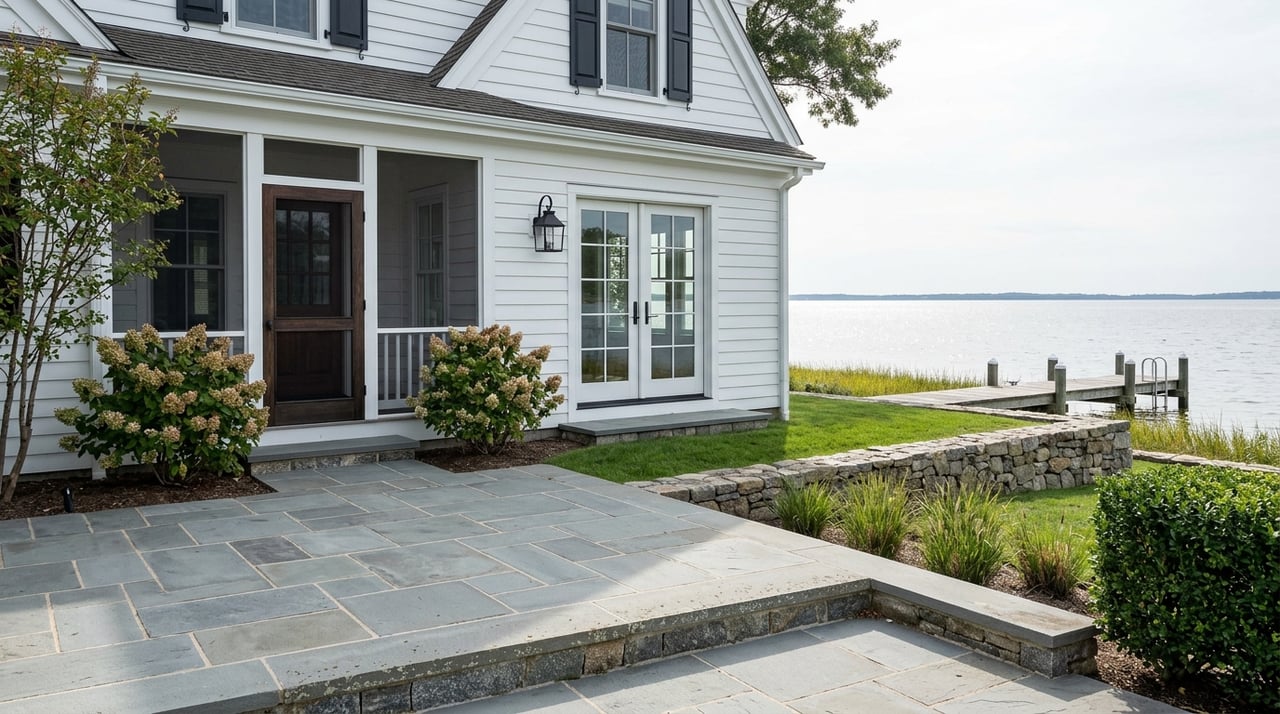
Waterfront homes in Clinton are scarce, and the best ones move when they are documented, staged, and priced with care. You love your views and access, but today’s buyers will also ask tough questions about permits, docks, seawalls, and flood risk. This guide shows you how to prepare a Clinton shoreline property so it stands out, answers buyer concerns, and supports a premium result. Let’s dive in.
Know the Clinton shoreline market
What counts as waterfront in Clinton
Clinton’s waterfront stretches from Clinton Harbor and the Indian, Hammonasset, and Hammock Rivers out to Long Island Sound. Inventory is limited, and policies around moorings and navigation are shaped by the Town’s Harbor Management Commission. If your property includes a dock, mooring, or direct water access, confirm status and rules with the Town early using the Harbor Management Commission resources at the Town of Clinton Harbor Management Commission.
Price context and comps
Prices on the shoreline vary widely based on frontage, elevation, dockage, and condition. While broader town medians move with inventory, waterfront values are property specific. Your price should be set with a waterfront-focused CMA that uses recent closed shoreline comps and adjusts for features like dock type, beach access, and flood zone.
Resolve permits and records early
Town and harbor steps
Start with local rules. The Harbor Management Commission guides moorings, public access, and navigational safety. If you have a mooring or dock, gather registrations and any correspondence with the harbormaster. For upland work that may affect wetlands or coastal areas, plan to check in with Planning and Zoning and Inland Wetlands. Local clarity builds buyer confidence and reduces surprises at underwriting. Learn the commission’s scope at the Town of Clinton Harbor Management Commission and review the current Clinton Harbor Management Plan.
State coastal permits you should know
Connecticut DEEP regulates docks, piers, ramps, floats, and shore structures in tidal waters. Some residential docks fit under General Permit criteria, while others need an individual permit. Eligibility depends on size, depth, and resource impacts. If you plan repairs or already completed work, align documentation with DEEP’s rules. Start with the DEEP Residential Dock Guidelines and the state’s Coastal Permit Program overview.
What to include in your listing packet
Buyers will ask for proof that shoreline improvements are permitted and safe. Gather and organize:
- As-built plans and permits for docks, ramps, floats, and seawalls.
- Mooring registrations and harbormaster correspondence.
- Recent marine-structure inspection reports and any electrical inspections.
- A current property survey that shows the littoral boundary.
- Maintenance records and invoices for repairs or replacements.
Verify the condition buyers will inspect
Docks, piers, and boat lifts
Most buyers expect a recent, written condition report from a qualified dock contractor or marine surveyor. Key items include pile integrity, ledger and bracket connections, corrosion, rot, float condition, anchor hardware, lift cables and winches, and gangway connections. After major storms, inspect for scour and movement. Industry guidance often places dock systems on a 20 to 30 year useful-life range depending on materials and care, so be ready to disclose age and major repairs.
Seawalls and shore stabilization
Look for leaning or bulging sections, joint separation, settlement behind the wall, exposed pile footings, or undermining at the base. Seawall condition can impact financing and buyer risk assessments. If you have recent engineered plans, permits, and warranties, include them. If not, commission a condition report and obtain a local estimate for repairs so buyers can price the home with eyes open.
Drainage, septic, and utilities
Confirm whether your property is on town sewer or private septic. Coastal septic systems often draw careful scrutiny. Document servicing records, age of system components, and any recent upgrades. Also gather service records for roof, windows, HVAC, and any salt-exposure maintenance.
Address flood and insurance up front
Pull your FEMA flood map
Buyers and lenders will check the FEMA flood zone. Print a map excerpt and include it in your packet so everyone sees the same official source. You can access maps at the FEMA Flood Map Service Center.
Order an Elevation Certificate
An Elevation Certificate helps insurers rate the structure accurately and may lower premiums if your lowest-floor elevation is favorable. If you do not have one, consider hiring a licensed surveyor before listing. Learn how this document is used with FEMA’s guidance on the Elevation Certificate.
Share insurance history and a sample quote
Provide your recent insurance history, including flood coverage, and if possible a current sample quote. Buyers and underwriters look closely at elevation, seawall condition, and mitigation measures. For a clear overview of flood insurance factors, review this primer on flood insurance basics.
Stage and market for maximum impact
Stage to frame the water
Make the water the hero. Remove heavy drapery and bulky furniture that blocks sightlines. Prioritize the living room with the best view, the primary bedroom if it faces the water, the kitchen as a gathering space, and the main deck or terrace. Staged homes photograph better and help buyers visualize themselves in the space, a point reinforced by NAR research on staging impact.
Photography, drone, and virtual tours
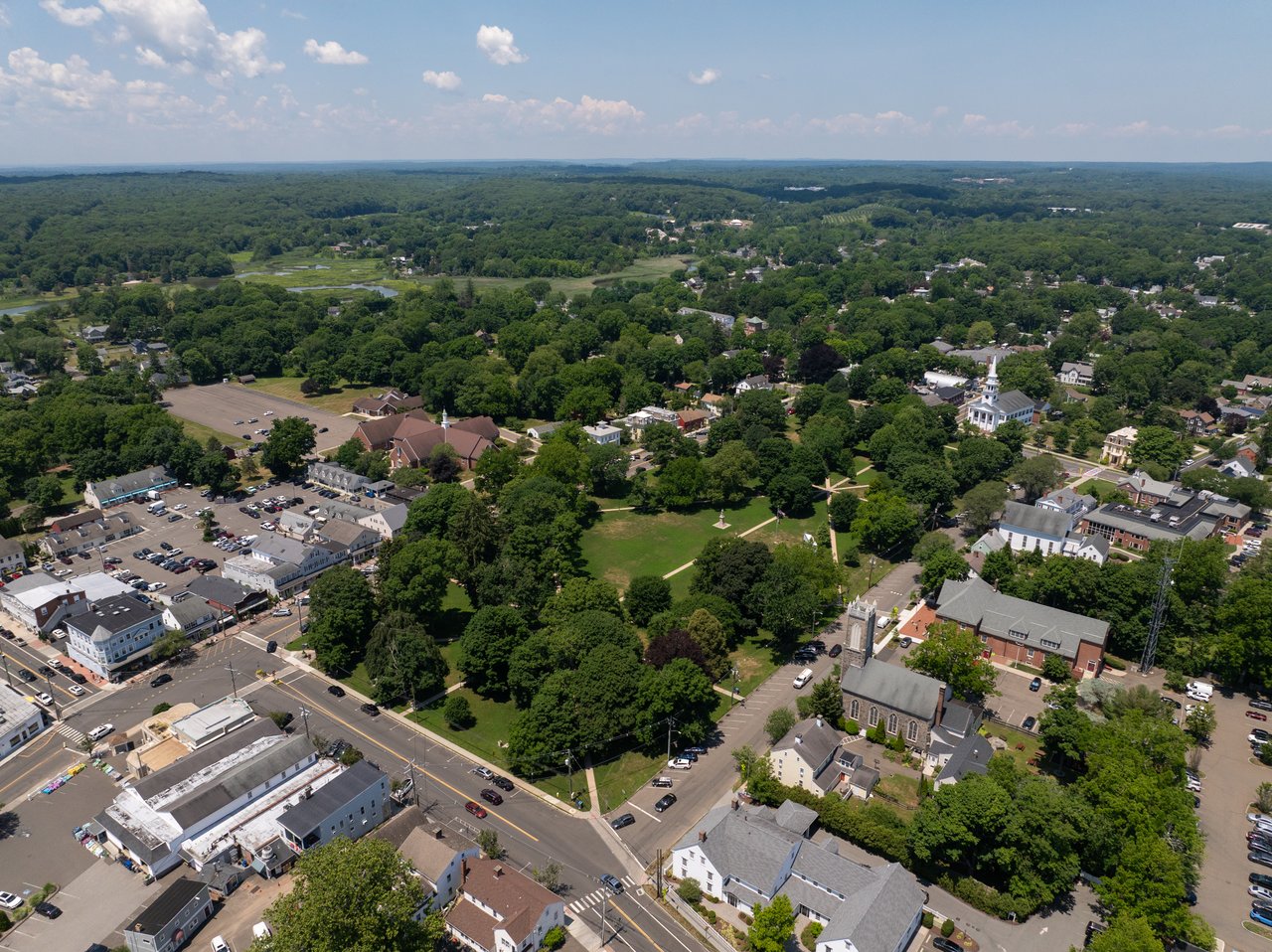
Professional photography, twilight images, and thoughtful aerials can elevate online engagement. If you use drone imagery, confirm that your operator is certified and insured under FAA Part 107 rules. That includes line-of-sight flying, altitude limits, and people safety. Review the FAA Part 107 summary. Be mindful of privacy, local harbor rules, and public-trust shorelines when shooting. As neighborhood context, consider featuring nearby marinas and recreation, such as Harborside Marina.
Price a waterfront home the right way
What drives value on the shoreline
Waterfront value is not a simple percentage over inland homes. Key drivers include frontage quality, beach access, dockage or mooring options, elevation and flood zone, view corridor, and documented shoreline improvements. Higher-risk flood zones and overdue seawall or dock repairs can suppress price or limit financing. Confirm your property’s flood zone using the FEMA Flood Map Service Center, and highlight positive features like protected harbor positioning or proximity to marinas and amenities.
Tactics that support a premium
- Build a waterfront-specific CMA using recent closed shoreline comps.
- Package dock and seawall permits, inspections, and maintenance records.
- Provide an Elevation Certificate and a current flood insurance estimate.
- Consider addressing high-impact items before listing, such as rotted decking or GFCI upgrades on shoreline electrical.
- Use premium presentation with professional photos, twilight shots, aerials, and clear floor plans.
Clinton waterfront seller checklist
- Contact the Harbor Management Commission and confirm mooring or dock status.
- Gather as-built plans, permits, inspections, and surveys into a single packet.
- Order an Elevation Certificate if you do not have one.
- Commission a marine-structure and seawall condition report.
- Consult on insurance and share recent premium history with buyers.
- Stage view-forward rooms and the main outdoor living area.
- Hire a professional photographer and a certified drone operator if using aerials.
- Disclose flood zone, dock and seawall history, and any association rules clearly in the listing.
Work with a shoreline expert
Selling on the Clinton shoreline is equal parts lifestyle and due diligence. You want a plan that showcases the water while answering every buyer question before it is asked. That is where a marketing-first, data-driven approach makes the difference, from premium photography and aerials to smart pricing and document prep.
If you are thinking about selling, let’s create a tailored plan for your property. With professional photography, drone imagery, floor plans, dedicated microsites, and renovation advisory through trusted partners, you will be positioned to win. Start with a conversation with Jules G. Etes and get a clear path to market.
FAQs
What permits cover docks in Clinton?
- Docks, ramps, and floats in tidal waters are regulated by Connecticut DEEP, and local moorings and harbor use fall under the Town’s Harbor Management Commission. Start with DEEP’s Residential Dock Guidelines and the Town’s Harbor Management Commission page.
How do buyers evaluate flood risk for a Clinton home?
- Buyers and lenders rely on the FEMA flood zone and a property-specific Elevation Certificate. You can access official maps at the FEMA Flood Map Service Center and review FEMA’s Elevation Certificate guidance.
Do I need drone photos for my waterfront listing?
- Aerials can help showcase shoreline context, but any commercial drone work must follow FAA Part 107 rules. Confirm your photographer’s certification and review the FAA Part 107 summary before scheduling flights.
What documents should I gather before listing a waterfront home?
- Assemble dock and seawall permits, mooring registrations, surveys showing the littoral boundary, marine-structure and electrical inspections, an Elevation Certificate, and recent insurance history.
How is a waterfront home priced compared with inland homes?
- Waterfront pricing depends on frontage, dockage, elevation and flood zone, view quality, and documented shoreline improvements. Use a shoreline-specific CMA with recent closed comps to set strategy and support buyer confidence.