What to Fix Before You Sell in Madison or Guilford — and What to Leave Alone
What should you fix before selling a home in Madison or Guilford, CT? Fix anything involving water, the roof, or a system at the end of its life. Freshen paint, light, and landscaping. Skip the full kitchen or bath remodel — in Madison and Guilford, condition returns more than renovation.
The most expensive conversation I have with sellers isn't about price. It's about the $60,000 they spent on a kitchen three weeks before we listed.
I've walked into houses off Neck Road in Madison and houses out toward Sachem's Head in Guilford where the owners did everything right in the wrong order — new quartz counters, same 22-year-old roof. New backsplash, same damp corner in the basement. They spent real money on the thing buyers photograph and none on the thing buyers pay an inspector to find.
So before you call anyone, here's how I'd sort the list.
The three-bucket rule
Every pre-listing project belongs in one of three buckets. The work is deciding which.
Bucket 1: Fix — these always pay
These are the items that don't just cost you money, they cost you negotiating position. A buyer who finds them in inspection stops thinking about your house and starts thinking about the invoice.
→ Anything to do with water. Damp basement corners, a slow drip under a vanity, gutters dumping against the foundation, a stain on a ceiling. Water is the single fastest way to turn an enthusiastic buyer cautious. Fix it, and keep the receipt.
→ A roof at the end of its life. You will not get a dollar-for-dollar return, but you'll get something better — you'll stay out of a renegotiation you can't win. A buyer with a quote in hand has all the leverage.
→ Systems past their expectancy. Furnace, boiler, water heater, an electrical panel that predates the current code. If it's original and the house isn't, expect it to come up.
→ Anything that fails an inspection outright. Missing GFCIs, a railing that wobbles, a cracked window seal. These are cheap alone and expensive in aggregate — twelve small items on an inspection report reads as a neglected house even when it isn't.
Bucket 2: Freshen — cheap, and disproportionately effective
This is where the actual return lives, and almost none of it requires a permit.
→ Paint, in a neutral. The highest-returning dollar you will spend, full stop.
→ Light. Days get shorter here fast after Labor Day. Wash the windows inside and out, pull down heavy drapes, and put higher-wattage bulbs in every fixture. A house that shows dark at four in the afternoon reads as smaller than it is.
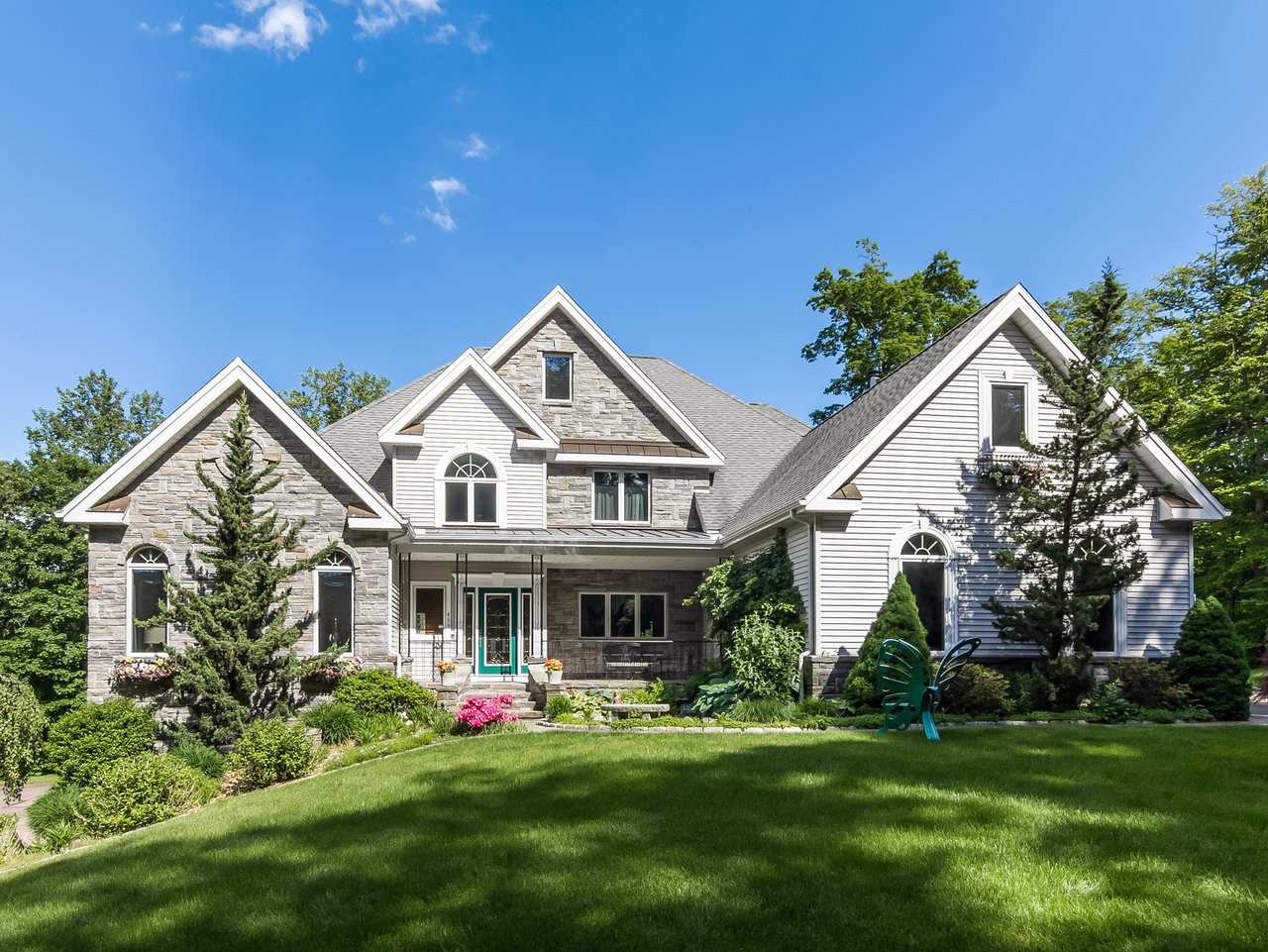
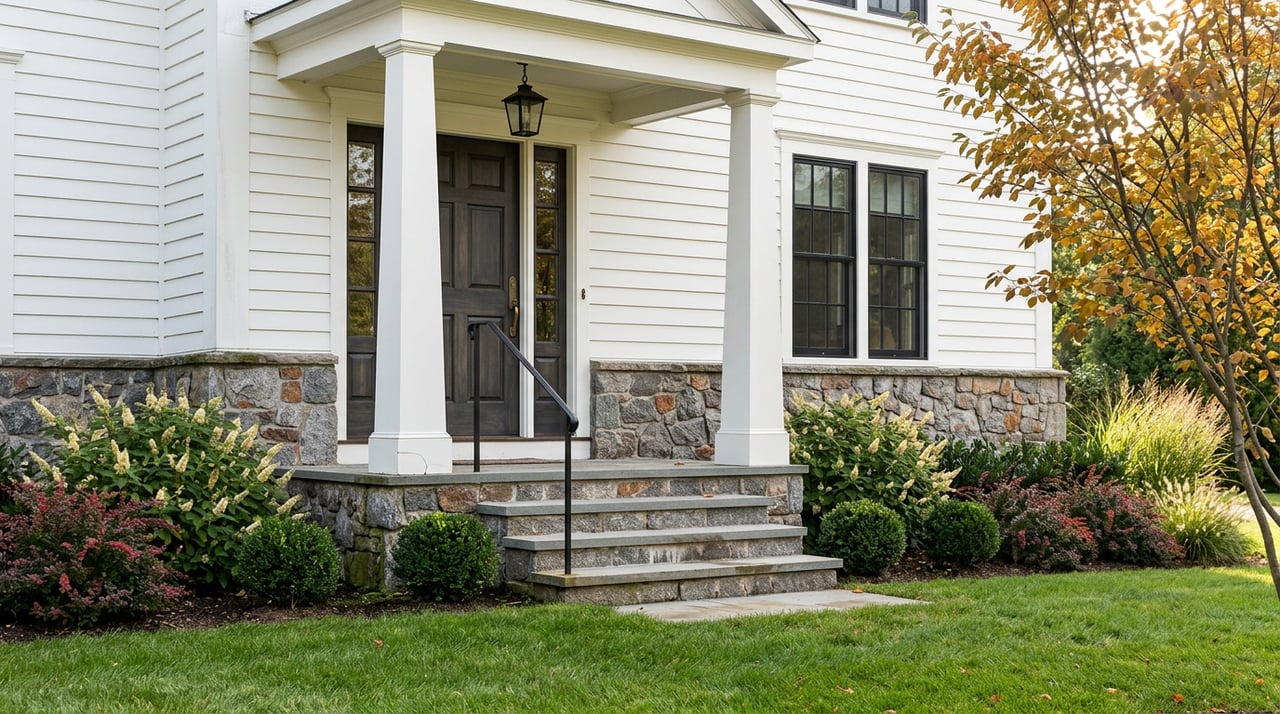
→ Landscaping and the front door. Edge the beds, mulch, and either paint the front door or replace the hardware. Buyers form an opinion in the twelve seconds between the car and the threshold.
→ Emptying, not staging. Before you rent a single piece of furniture, remove a third of what's in the house. Closets half-full read as generous. Closets packed read as inadequate — even if they're the same closet.
→ Deep cleaning, professionally. Not a tidy. A clean.
Bucket 3: Leave it alone
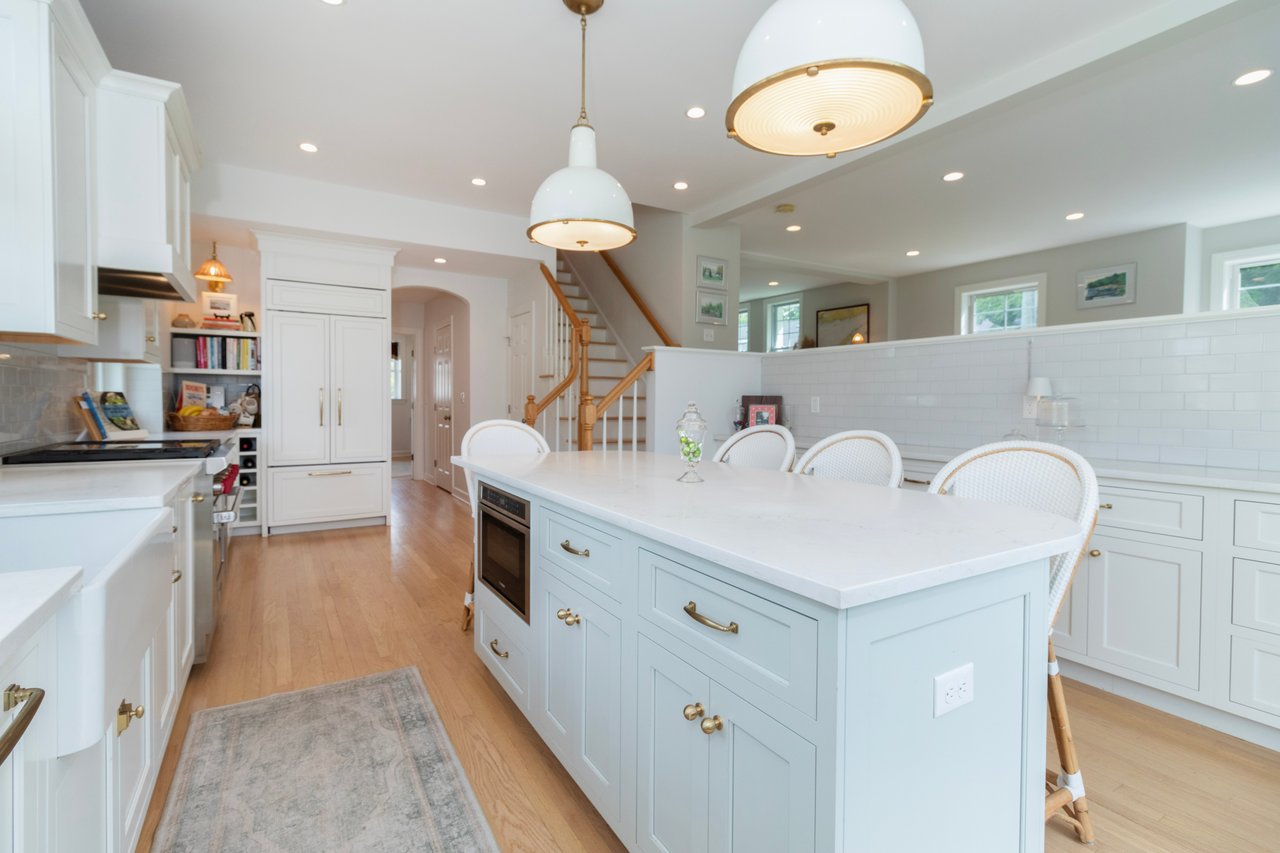
→ Full kitchen and bath remodels. You will spend at the top of the market and sell into someone else's taste. Buyers in both towns routinely plan their own kitchen. Let them, and price accordingly.
→ Finishing a basement. Rarely returns the spend around here, and this close to Long Island Sound it invites questions about moisture that an unfinished basement never raises.
→ Adding a pool. It narrows your buyer pool at least as often as it widens it.
→ High-end fixtures in a mid-range house. A $4,000 range in a kitchen that otherwise reads as original doesn't lift the house. It just makes the rest of the kitchen look older.
What this market actually rewards right now
The 30-year fixed averaged 6.69% in the first week of August, per the Freddie Mac Primary Mortgage Market Survey — essentially flat against 6.63% a year ago. Nationally, inventory sat at a 4.6-month supply in July, unchanged from both the prior month and a year earlier, according to the National Association of REALTORS®. Six months is where a market is considered balanced, so this still tilts toward sellers — but not so far that condition stops mattering.
Guilford's median sale price held around $630,000 in July 2026 per Redfin. Madison generally runs higher and trades in smaller volume — in a town that size a handful of closings can swing a monthly median by six figures, which is why I don't put much weight on any single month's number when I'm advising a Madison seller.
What both towns have in common is simpler than any statistic: a buyer paying near 7% has run the numbers, and they are not interested in inheriting a project. Turn-key is the whole ballgame. That's not a preference anymore, it's a financing reality.
The mistake that costs the most
Sellers add up what they spent and try to put it in the list price.
It doesn't work that way. The market pays for the condition you delivered, not the invoices you accumulated. A new roof doesn't add $20,000 to your value — it removes a $20,000 objection. Those are different things, and confusing them is how a well-prepped house ends up overpriced and sitting.
The right way to use prep money is to protect the price you were always going to get, and to get there in two weeks instead of ten.
A realistic way to budget
For most Madison and Guilford homes I list, the pre-listing spend that makes sense lands in the low thousands, not the tens of thousands — paint, cleaning, landscaping, light, decluttering, and a short list of Bucket 1 repairs. When it goes higher, it's almost always because of one genuine Bucket 1 item, not because we chose to renovate.
If you're not sure which bucket something falls in, that's exactly the walkthrough I do for free. I'd rather tell you not to spend the money.
Frequently asked questions
Should I get a pre-listing inspection before selling in Guilford or Madison? Often, yes — particularly on an older home. It converts surprises into decisions. You find out what's coming while you still control the timeline and can get your own quotes, instead of learning it during a buyer's due diligence window when the leverage has shifted.
Is it worth renovating a kitchen before selling in Madison or Guilford, CT? Usually not. A full remodel rarely returns the spend, and buyers in these towns frequently have their own plans. Clean, bright, and functional beats new and someone else's taste almost every time.
What if I can't afford to fix the big items? Then we price for it and market it honestly. A home sold as-is at the right number does fine. What doesn't work is an as-is home priced as though the work were already done — that's the listing that sits, cuts price twice, and ends up below where it started.
Before you spend a dollar, let's walk through it
Every house between the Madison Town Green and Leetes Island has a different answer to this. Yours depends on your condition, your comps, and what buyers in your price band are actually comparing you to.
If you've been quietly thinking about your next chapter, walk the house with me before you call a contractor. Call or text me at 203.687.6997 — I'd love to talk through what your home could do in this market.
I'll see you around town.
"Opening the doors to your real estate dreams…"
Jules G. Etes | Guilford | Madison Real Estate Strategist Top 1% Nationally | $283M+ Sold | MBA William Pitt Sotheby's International Realty Text or call: 203.687.6997 | [email protected]