What Makes a Home Sell on the Guilford Shoreline in 2026
Why do some Guilford homes sell in days while others sit for months? In Guilford, Connecticut, the homes that sell quickly are prepped well, marketed aggressively, and priced right for today's buyer — while dated, over-priced listings linger even in a low-inventory market. It comes down to preparation, presentation, and pricing strategy, not luck.
I get some version of this question almost every week: two houses on the same street, similar size, similar bones — and one sells over asking in under a week while the other is still sitting a month later with a price cut. From the outside it can look random. It isn't. After more than two decades selling homes here on the Connecticut Shoreline, I can tell you the difference is almost always the same three things.
This summer the setup favors sellers who do the work. Inventory across the Shoreline is still tight, buyer demand is real, and well-positioned homes are moving. But — and this matters — buyers in 2026 are careful. Mortgage rates aren't cheap, and every dollar has to earn its place. That means the "list it and they'll come" era is over. The homes flying off the shelves in our town are the ones that give buyers no reason to hesitate.
Here's what actually moves a home in Guilford right now.
The Market Backdrop: Tight, But Not Forgiving
Let's ground this in numbers. Statewide, Connecticut has been one of the strongest markets in the country. Redfin data put the median Connecticut sale price around $458,000 this spring, up nearly 8% year over year, with homes going under contract quickly. Here in Guilford, Zillow shows a median list price near $787,000 and a typical time on market around a month.
That "around a month" figure is the part sellers miss. It's an average — and averages hide the split. The turn-key, well-priced homes are gone in a week or two. The ones dragging the average up are the homes that needed work the seller skipped, or a price the market didn't support.
Rates are the other piece. Freddie Mac reported the 30-year fixed averaging in the low-6% range this summer. Buyers feel that every month, so they reward homes that feel move-in ready and quietly walk away from homes that mean more spending after closing.
Tight inventory helps you. It does not save you. Preparation still decides the outcome.
The Three Things That Actually Sell a Home
1. Preparation — buyers want turn-key
The single biggest predictor of a fast, strong sale on the Shoreline is how ready the home feels the day it hits the market. Buyers in 2026 are paying top-of-market prices, and in return they expect a home they can move into without a project list.
Preparation isn't a full renovation. It's the strategic, high-return work:
Fresh, neutral paint in the rooms buyers see first
Decluttering and depersonalizing so buyers picture their own life here
Small repairs that scream "deferred maintenance" if left undone — the running toilet, the sticky door, the cracked switch plate
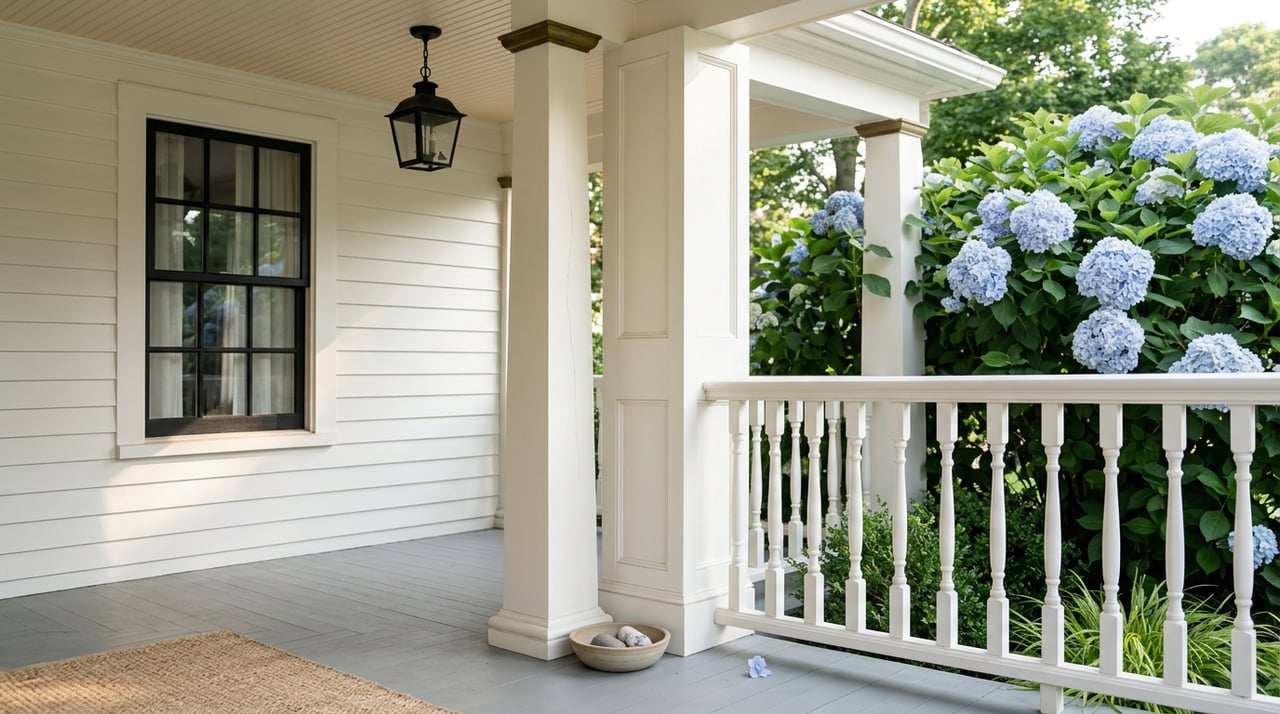
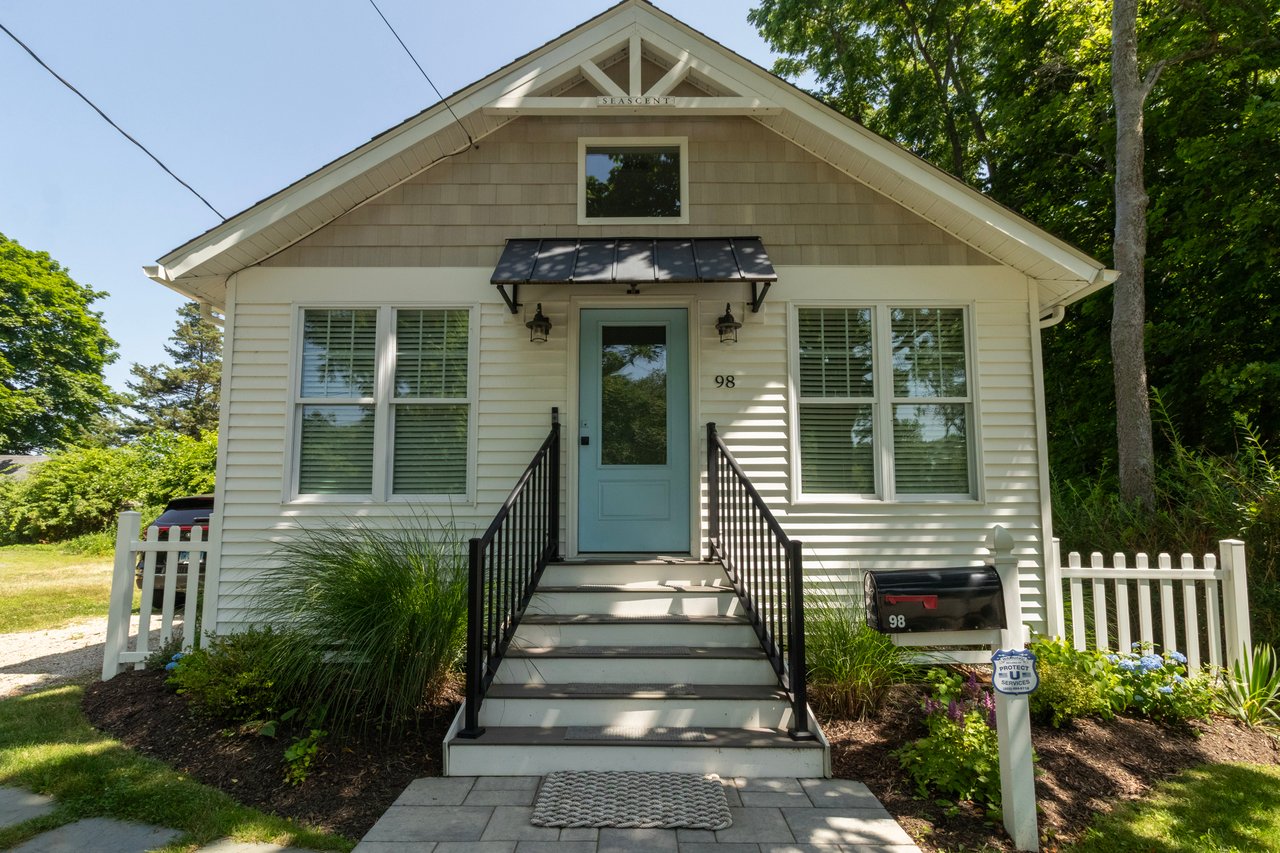
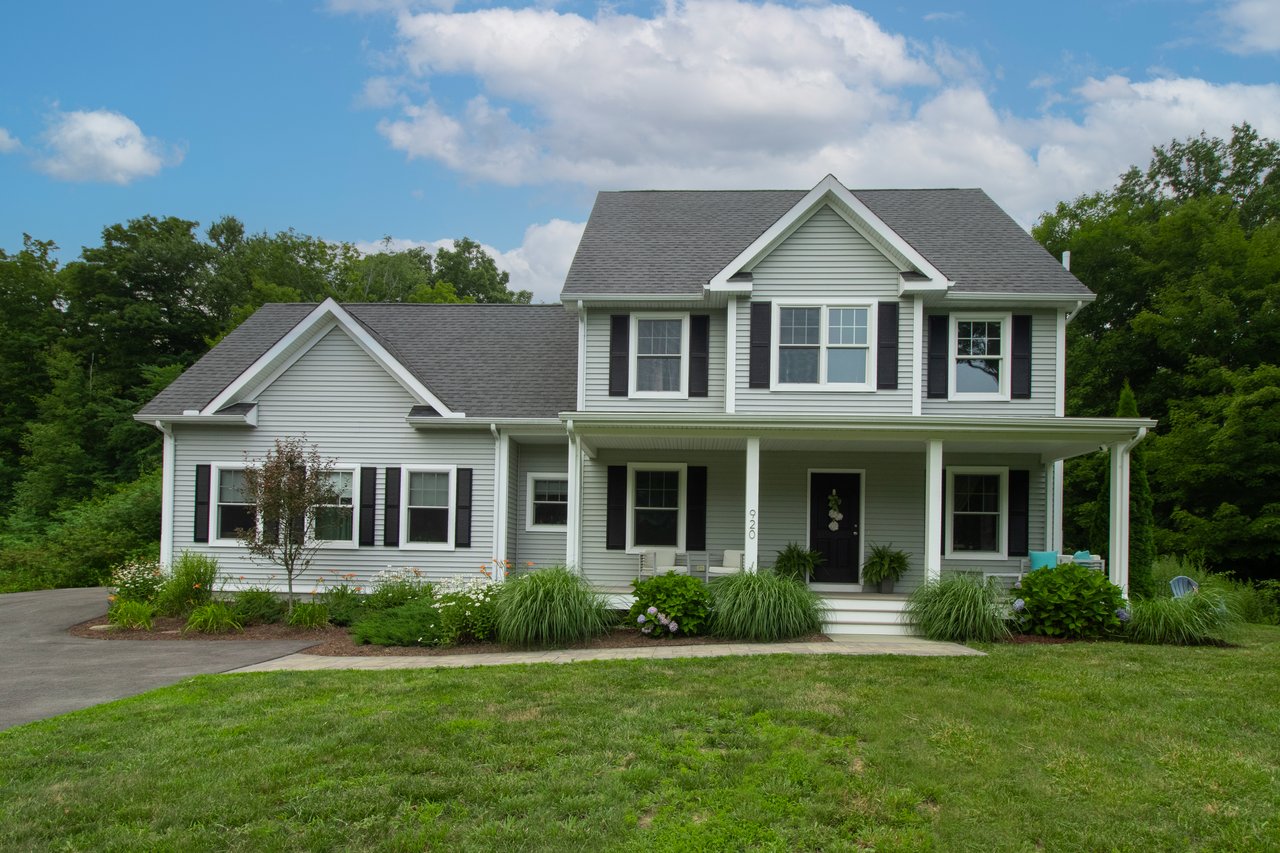
Curb appeal, especially in summer when Guilford landscaping is at its best
I walk every listing before we go live and build a prep plan around return on investment. We spend where buyers notice and skip where they don't. Dated homes don't sit because they're old — plenty of historic Guilford homes sell beautifully. They sit because they feel unloved.
2. Marketing — the home has to be seen the right way
A great home marketed quietly still underperforms. Most buyers meet your home on a screen first, which means the photography, the listing copy, and the launch strategy are doing the heavy lifting before anyone walks through the door.
This is where the playbook matters: professional photography, a listing description written to surface in search, coordinated exposure across the platforms buyers actually use, and a launch timed to build momentum rather than let a home trickle onto the market. A home near the Green, the marina, or with a shoreline lifestyle to sell should have that story told deliberately — not buried in a generic listing.
Presentation and reach are what turn interest into showings, and showings into offers.
3. Pricing — the number sets the tone
Price is the lever that makes or breaks everything else. Even a beautifully prepped, well-marketed home will stall if it's priced ahead of what buyers and comps support.
Here's the counterintuitive truth: in a tight market, accurate pricing often drives price up, not down. A home priced right for the Guilford market attracts more eyes, more showings, and sometimes a multiple-offer scenario — the exact dynamic that pushes a final number above asking. Overprice it, and you get the opposite: the home sits, buyers wonder what's wrong, and the eventual sale comes after a price cut that signals weakness.
I price using current CT Shoreline comps, live buyer feedback, and what's actually going under contract — not a hopeful number or last year's market. The goal is a strategy, not a guess.
Why "Tight Inventory" Isn't a Free Pass
It's tempting to read the headlines — low inventory, strong demand, Connecticut among the hottest markets — and assume any home will sell for a premium. Some sellers list high, skip the prep, and wait.
What I see happen: the well-prepared home three streets over sells in a week over asking, and the shortcut listing becomes the cautionary tale buyers use to justify a lowball offer. In a market where buyers are paying real money at real rates, they reserve their best offers for the homes that earn them. Preparation, marketing, and pricing are how you earn them.
Frequently Asked Questions
How long are homes sitting on the market in Guilford, CT? As of summer 2026, the typical Guilford home spends roughly a month on the market, but that's an average. Well-prepped, accurately priced homes on the Connecticut Shoreline often go under contract in a week or two, while dated or over-priced listings sit far longer.
Is it a good time to sell a home on the Connecticut Shoreline? Yes — inventory is tight and buyer demand is steady across Guilford and the Shoreline. But buyers are discerning at today's rates, so the sellers seeing the strongest results are the ones who prepare, market, and price strategically rather than relying on the market alone.
Do I need to renovate before selling my Guilford home? Usually not. A full renovation is rarely necessary. The highest-return moves are targeted: fresh paint, decluttering, minor repairs, and strong curb appeal. I build a prep plan for each home focused on the work buyers actually reward.
Let's Talk Strategy
Curious what your home could sell for in today's Guilford market — and what it would take to get it there? Call or text me at 203.687.6997 — I'd love to talk through what your home could do in this market.
Opening the doors to your real estate dreams…
Jules G. Etes | CT Shoreline Real Estate Expert Top 1% Nationally | $283M+ Sold | MBA William Pitt Sotheby's International Realty | Guilford, CT