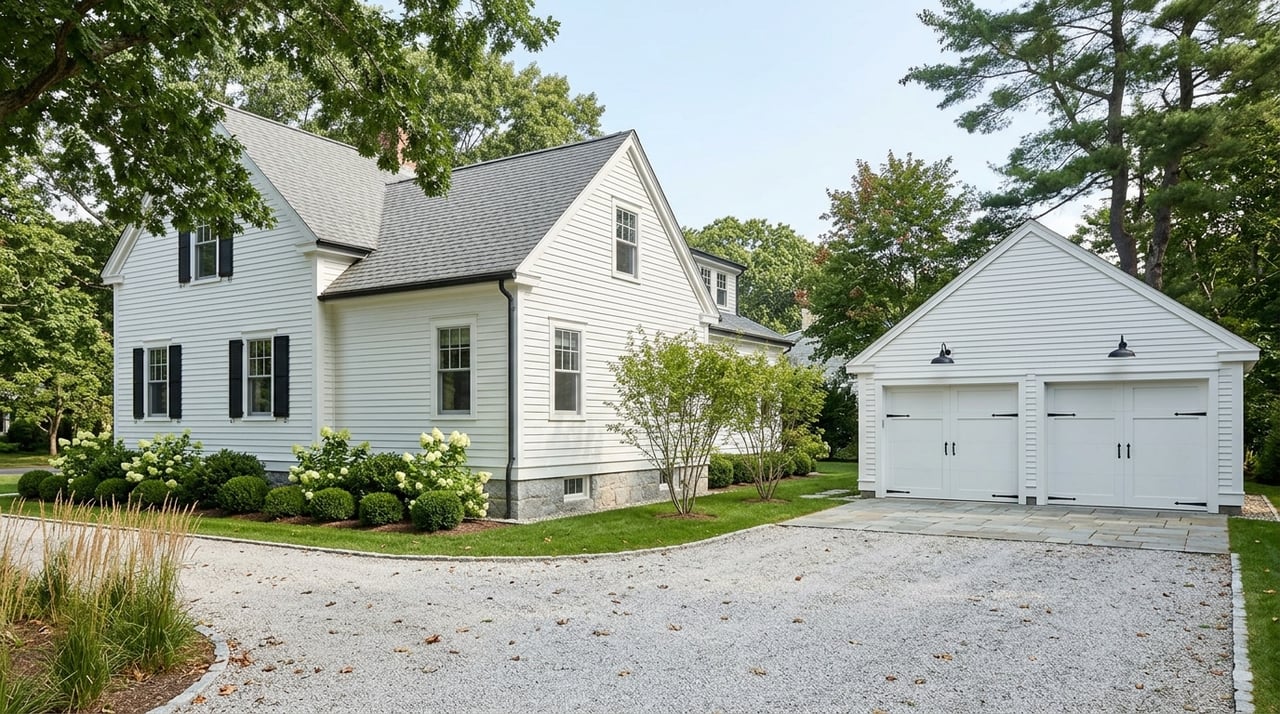
If you are deciding between beachside Madison and North Madison, you are really choosing the rhythm you want for daily life. Both areas offer the shoreline-town feel that draws people to Madison, but they deliver it in very different ways. The good news is that once you understand the tradeoffs around access, space, recreation, and property considerations, the right fit often becomes much clearer. Let’s dive in.
Madison Offers Two Distinct Lifestyles
Madison is a shoreline town with a strong focus on preserving both its rural and seashore character. In practice, many buyers end up comparing the shoreline or south side with North Madison rather than looking at the town as one uniform market.
Town planning materials describe North Madison as the area north of the Ryerson-Brown school complex, with North Madison Center around the Route 79 and Route 80 circle. The town also treats the coastal side as a distinct planning area, which helps explain why these two parts of Madison can feel so different when you tour homes.
Beachside Madison at a Glance
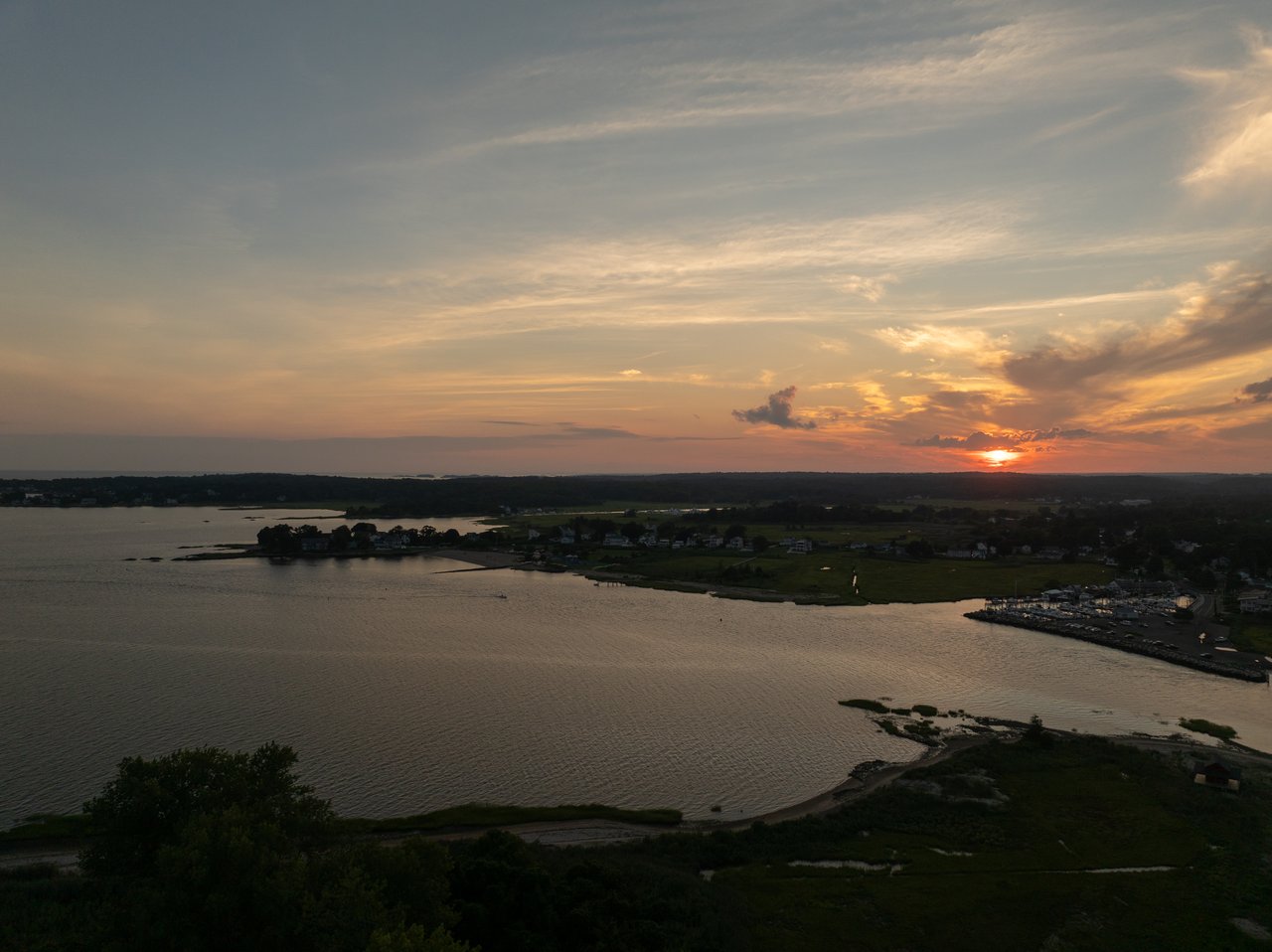
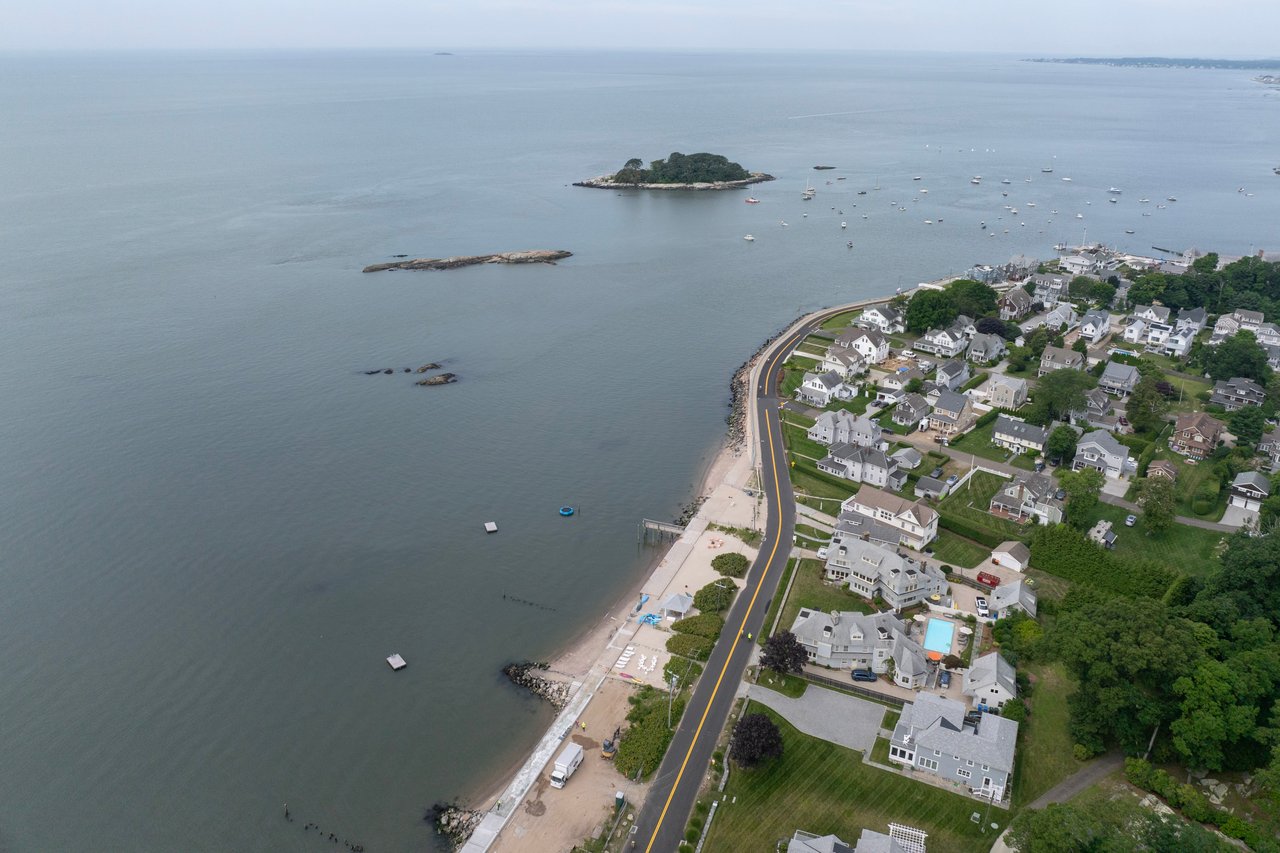
If you picture Madison as a classic Connecticut shoreline town, you are probably thinking of the coastal side. This area is closely tied to the beach, the water, and a more seasonal energy that many buyers love.
The town’s recreation inventory highlights places like Surf Club, East Wharf, West Wharf, and Hammonasset Beach State Park. Surf Club includes 1,200 feet of sandy beachfront, and Hammonasset is Connecticut’s largest shoreline park, with saltwater swimming, fishing, camping, cabins, and a beach that stretches to nearly two miles.
What beachside living can feel like
Living near the shoreline often means quicker access to beaches, waterfront recreation, and the parts of town that feel especially tied to Madison’s coastal identity. For many buyers, that convenience shapes everything from weekend plans to evening walks.
It can also mean living in an area that sees stronger development pressure and more regulation. The town identifies shoreline areas as some of Madison’s most desirable neighborhoods, and that desirability can come with more attention to change, house size, and property use.
Housing patterns near the shore
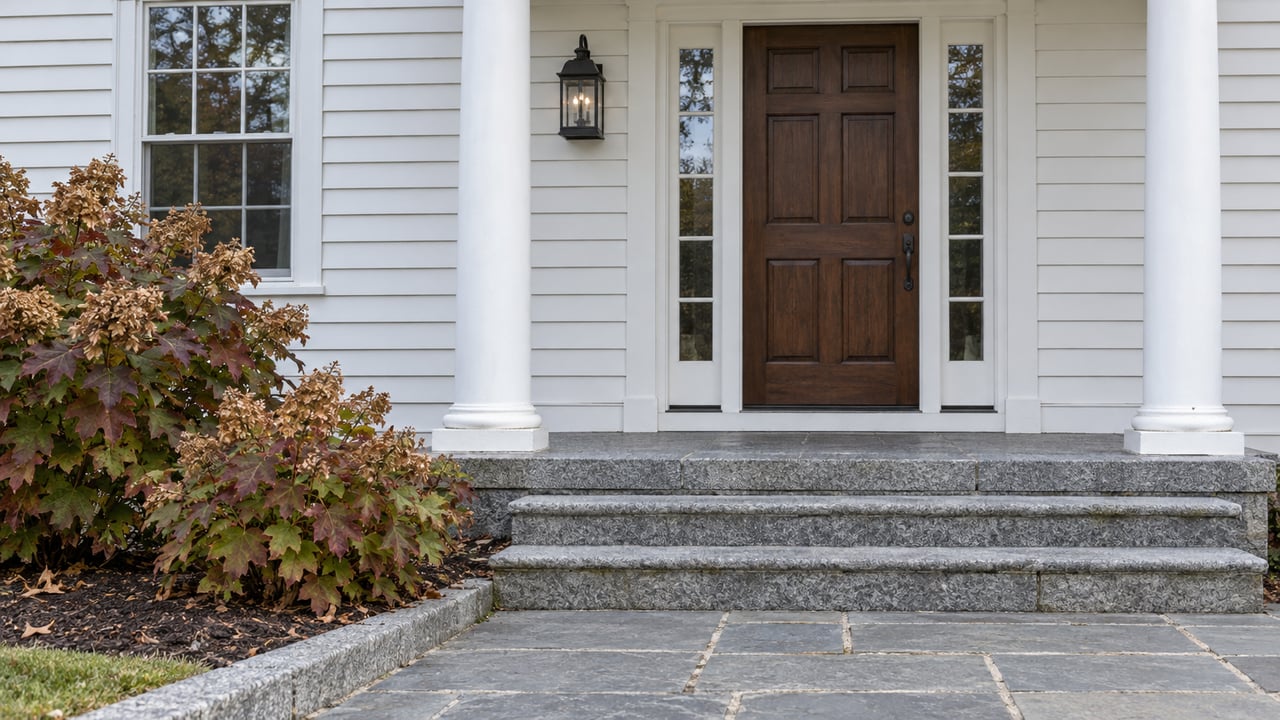
Madison’s housing stock is overwhelmingly made up of single-family homes, with more than 92% of homes classified as one-unit detached properties. Along the shoreline, the mix may include older cottages, year-round homes, and homes shaped by local coastal rules.
The town specifically manages winterization of seasonal cottages in shoreline areas. That means if you are considering a coastal property, it is important to confirm whether the home is suited for year-round use and what limitations may apply.
North Madison at a Glance
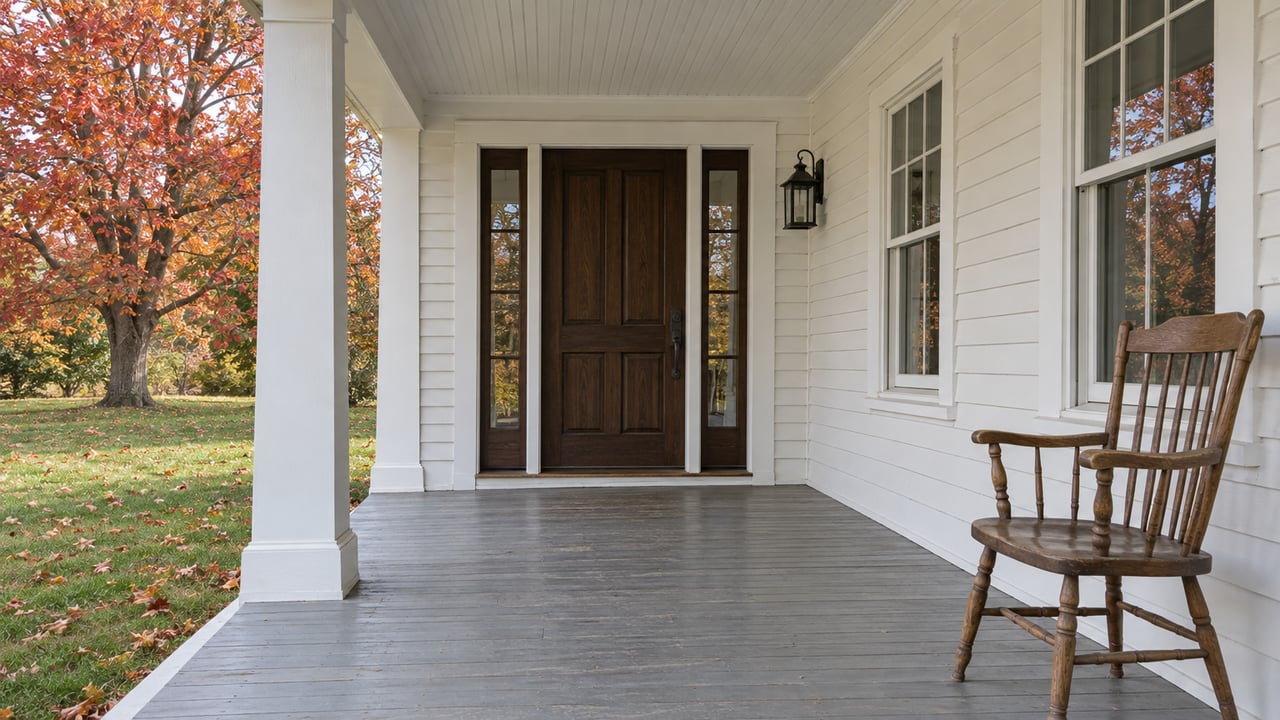
North Madison usually appeals to buyers who want more breathing room and a more everyday, land-focused lifestyle. Town planning documents describe North Madison Center as more of a neighborhood center than a larger community center, with an emphasis on meeting daily needs.
That distinction matters. Instead of a beach-centered routine, North Madison often offers a rhythm built around space, local services, trails, and open land.
What North Madison can feel like
North Madison tends to offer more separation between homes and a quieter rural or semi-rural setting. If your ideal home includes a larger yard, more privacy, or a stronger connection to open space, this part of town may feel like a better match.
Recreation in North Madison leans toward trails and preserved land. Rockland Preserve is a hilly, wooded area in North Madison, while Bauer Park supports open space, gardens, trails, agriculture, and nature activities. Madison parcels within Cockaponset State Forest add even more options for hiking, biking, horseback riding, fishing, boating, camping, and seasonal outdoor use.
Space Versus Access
For many buyers, the clearest way to compare these two areas is simple: beach access versus land and separation. Neither option is better across the board. It depends on how you want to live day to day.
If you want to be close to sandy beaches, shoreline recreation, and the coastal side of town, beachside Madison may be the better fit. If you value larger lots, more rural surroundings, and easy access to trails and open space, North Madison often checks those boxes more easily.
Lot sizes can shape your decision
Madison’s zoning ranges from smaller 7,000 square foot lots in R-5 districts to 80,000 square foot lots in RU-1 rural districts. That is a wide spread, and it helps explain why some homes feel closely placed while others offer substantial land.
In general, buyers seeking more space are more likely to find it in rural districts and in North Madison. Coastal and closer-in areas may feel tighter and more regulated by comparison.
Daily Convenience and Commuting
Lifestyle is not just about the house itself. It is also about how easily you can move through your day.
Madison’s central shoreline corridor connects to I-95, I-91, bus service, and rail service. Because of that, commute convenience should be part of your decision alongside recreation and lot size.
Why location inside town matters
If your week includes regular commuting or frequent trips along the shoreline corridor, beachside or south-side locations may offer practical advantages. If your priority is more land and a quieter setting, North Madison may still be worth the tradeoff.
This is where your personal routine matters most. The right fit is usually the area that supports how you actually spend weekdays, not just how you hope to spend summer weekends.
Property Due Diligence Matters in Both Areas
No matter which side of Madison you prefer, due diligence is important. Madison has no sanitary sewers, and the Water Pollution Control Authority states that septic systems must be pumped every five years at the homeowner’s expense.
That makes septic review an important part of any purchase, whether you are looking north or near the water. You will want to understand system capacity, maintenance needs, and how the property supports year-round use.
Extra questions for shoreline homes
Near the shore, due diligence often goes further. The town’s planning and resilience work includes sea-level-rise projections, flood damage concerns, tidal wetland preservation, erosion control, and drinking-water vulnerability in low-lying areas.
For you as a buyer, that means a shoreline purchase is not only about views or beach access. It is also about understanding flood, erosion, infrastructure, and site-specific conditions early in the process.
Extra questions for North Madison homes
In North Madison, the focus may shift toward lot configuration, usable outdoor space, and how a home fits your long-term needs. Larger lots can be a major advantage, but they can also come with more land to maintain and a different daily rhythm.
If you are comparing homes across both areas, it helps to look beyond square footage and ask how each property supports the lifestyle you want most.
Which Madison Area Fits You Best?
If you are still torn, start with the lifestyle clues that matter most to you. A home can be beautiful in either area, but the better choice is usually the one that matches your priorities when everyday life settles in.
Here is a simple way to think about it:
- Choose beachside Madison if you want quick access to beaches, a stronger coastal atmosphere, and a location tied closely to shoreline recreation.
- Choose North Madison if you want larger lots, more privacy, and a daily routine centered more on trails, open space, and a rural feel.
- Compare both carefully if your priorities include commute convenience, since access to Madison’s shoreline transportation corridor can be a meaningful factor.
- Ask more property-specific questions near the shore, especially about winterization, septic suitability, flood exposure, and erosion considerations.
A Smart Way to Narrow the Search
When buyers compare these two areas, I often recommend focusing on three filters first: lifestyle, lot size, and property conditions. That keeps the search grounded in what will matter after move-in day.
You do not need to choose based on labels alone. You need the part of Madison that best supports your pace, priorities, and long-term plans.
If you are weighing beachside Madison against North Madison and want local guidance on which homes align with your goals, Jules G. Etes can help you compare options with a clear, practical eye.
FAQs
What is the difference between beachside Madison and North Madison?
- Beachside Madison is generally more tied to shoreline access, beaches, and coastal recreation, while North Madison is more associated with larger lots, trails, open space, and a rural or semi-rural feel.
What lot sizes can you expect in Madison, CT?
- Madison zoning ranges from 7,000 square foot lots in R-5 districts to 80,000 square foot lots in RU-1 rural districts, so lot size can vary significantly depending on location.
Are shoreline homes in Madison, CT only seasonal properties?
- No. The town regulates winterization of seasonal cottages in shoreline areas, which indicates a mix of seasonal and year-round homes.
What should you check before buying a shoreline home in Madison?
- You should review winterization status, septic suitability, soil conditions, and any flood, erosion, or resilience-related property factors early in the process.
What outdoor recreation does North Madison offer?
- North Madison offers access to places like Rockland Preserve, Bauer Park, and Madison parcels within Cockaponset State Forest for trails, nature activities, and other outdoor recreation.
Do Madison homes use sewers or septic systems?
- Madison has no sanitary sewers, so homes rely on septic systems, and the town states that septic systems must be pumped every five years at the homeowner’s expense.